


CollagenX Blog

SUGAR IS BAD. RIGHT? NOT SO FAST.
Think sugar has no place in a protein powder? The science tells a more complicated story. Discover how carbohydrate, amino acids, insulin and exercise interact, and why the amount of carbohydrate in a protein powder deserves more than a simple "sugar is bad" verdict.

The Truth About Clinically Proven Collagen: Why Most Brands Can't Show You the Science
Most Collagen Brands Can't Prove Their Claims. Here's Why CollagenX Can.Most collagen brands promise healthier skin, stronger joints and healthier ageing—but can they prove the collagen inside their product actually delivers those benefits? This cornerstone article explores one of the biggest misconceptions in the collagen industry: that all collagen is supported by the same science. Discover why scientific evidence belongs to the specific collagen ingredient that was studied, why ingredient transparency matters, and how Peptan® has built one of the world's most comprehensive published research portfolios across skin, joints, bone, exercise recovery, gut health, sleep and collagen absorption. Learn the four questions every consumer should ask before buying any collagen supplement and why CollagenX exclusively chooses clinically researched Peptan® collagen peptides.

Evidence File #008: Collagen and Gut Health — What Researchers Have Actually Found
Evidence File #008: Collagen and Gut Health — What Researchers Have Actually Found examines the published scientific research behind Peptan® collagen peptides and gut health. Discover what researchers found when investigating exercise-induced gastrointestinal stress, intestinal barrier function and digestive comfort, and why the findings highlight the importance of evidence over marketing. Rather than making exaggerated claims, this article explains what the science currently supports, where the evidence is still emerging, and why CollagenX exclusively uses clinically researched Peptan® collagen peptides.

Evidence File #007: Does Collagen Really Get Absorbed? The Science Explained
Evidence File #007: The Absorption Studies examines one of the most common questions about collagen supplementation: does collagen actually get absorbed? This article explores the published Peptan® research tracking collagen peptides through digestion and into the bloodstream, explaining how scientists have identified bioactive collagen peptides after supplementation and why this challenges the misconception that collagen is simply broken down like any other protein. Discover why absorption research is essential to understanding collagen science and why CollagenX exclusively uses clinically researched Peptan® collagen peptides.

Evidence File #006 — Collagen and Sleep: An Unexpected Area of Research
Evidence File #006: Collagen and Sleep — An Unexpected Area of Research explores one of the newest and most surprising areas of collagen science. Discover why researchers investigated Peptan® collagen peptides and sleep quality, what a published human clinical trial found about sleep fragmentation and next-day cognitive performance, and why ingredient-specific research matters when evaluating collagen supplements. This article separates scientific evidence from marketing claims and explains why CollagenX exclusively uses clinically researched Peptan® collagen peptides.

Evidence File #005 — Collagen for Exercise Recovery — Separating Evidence from Hype
Evidence File #005: Exercise Recovery explores the published scientific research behind Peptan® collagen peptides and recovery after exercise. Rather than relying on marketing claims, this article examines the human clinical studies investigating muscle soreness, functional recovery, exercise-induced muscle damage and connective tissue recovery. It also explains why some studies report positive findings while others report neutral outcomes, demonstrating what genuine evidence-based nutrition looks like. Discover why CollagenX exclusively uses clinically researched Peptan® collagen peptides and why ingredient-specific research matters when choosing a collagen supplement for recovery.

Evidence File #004 — Collagen for Bone Health: What the Evidence Says
Evidence File #004: Bone Health examines the published scientific research behind Peptan® collagen peptides and bone health. Discover why healthy bones depend on more than calcium alone, explore the evidence investigating collagen's role in bone metabolism and bone remodelling, and learn why ingredient-specific research matters when choosing a collagen supplement. This article reviews the published Peptan® studies, explains what the science currently supports, and shows why CollagenX exclusively uses clinically researched Peptan® collagen peptides instead of generic collagen ingredients.

Evidence File #003 — JOINT HEALTH: Understanding the Science Behind Collagen and Healthy Joints
Almost every collagen brand claims to support healthy joints, but how many can point to published research on the exact collagen ingredient inside their product? In Evidence File #003, we explore the biology of healthy joints, the evolution of collagen science, and the clinical research behind specialised collagen ingredients such as Peptan® and Colartix®. Discover why ingredient identity matters, why not all collagen ingredients are scientifically interchangeable, and how to separate evidence from marketing claims.

Evidence File #002: Collagen for Hair Loss — Separating Science from Marketing
Evidence File: The Hair Studies explores the emerging science behind collagen peptides and hair health. Rather than relying on marketing claims, this article examines the published Peptan® research investigating how collagen peptides interact with living human hair follicles and influence key biological processes involved in healthy hair growth. Learn what the latest science does—and doesn't—tell us about collagen and hair, why mechanistic research is important, and how CollagenX's commitment to ingredient-specific evidence sets it apart from collagen brands making unsupported hair claims.

Evidence File #001: Clinically Proven Collagen for Skin? What the Studies Really Show
Evidence File #001: The Skin Studies explores one of the biggest misconceptions in the collagen industry: that all collagen peptides are backed by the same science. They aren't. This article examines the published Peptan® clinical studies on skin hydration, elasticity, firmness, wrinkles and nail health, and explains why ingredient-specific research matters. Learn how to distinguish evidence-based collagen from generic collagen, and discover why CollagenX exclusively uses clinically researched Peptan® collagen peptides.

Evidence File #009: The Discovery of Metabolic Collagen - How a New Generation of Collagen Peptides Is Changing Metabolic Science
What happens when collagen peptides do more than provide amino acids? New research is revealing a surprising connection between specific collagen peptides, GLP-1 and blood glucose control. Evidence File #010 examines the latest human study, showing how a specially selected collagen peptide composition influenced GLP-1 and GIP, gastric residence and the rise in blood glucose after a meal. The research reveals why the type and composition of collagen peptides matter, and why metabolic effects cannot be assumed from ordinary collagen.

What Male Body Shape Do Women Find Most Attractive? The Science May Surprise You
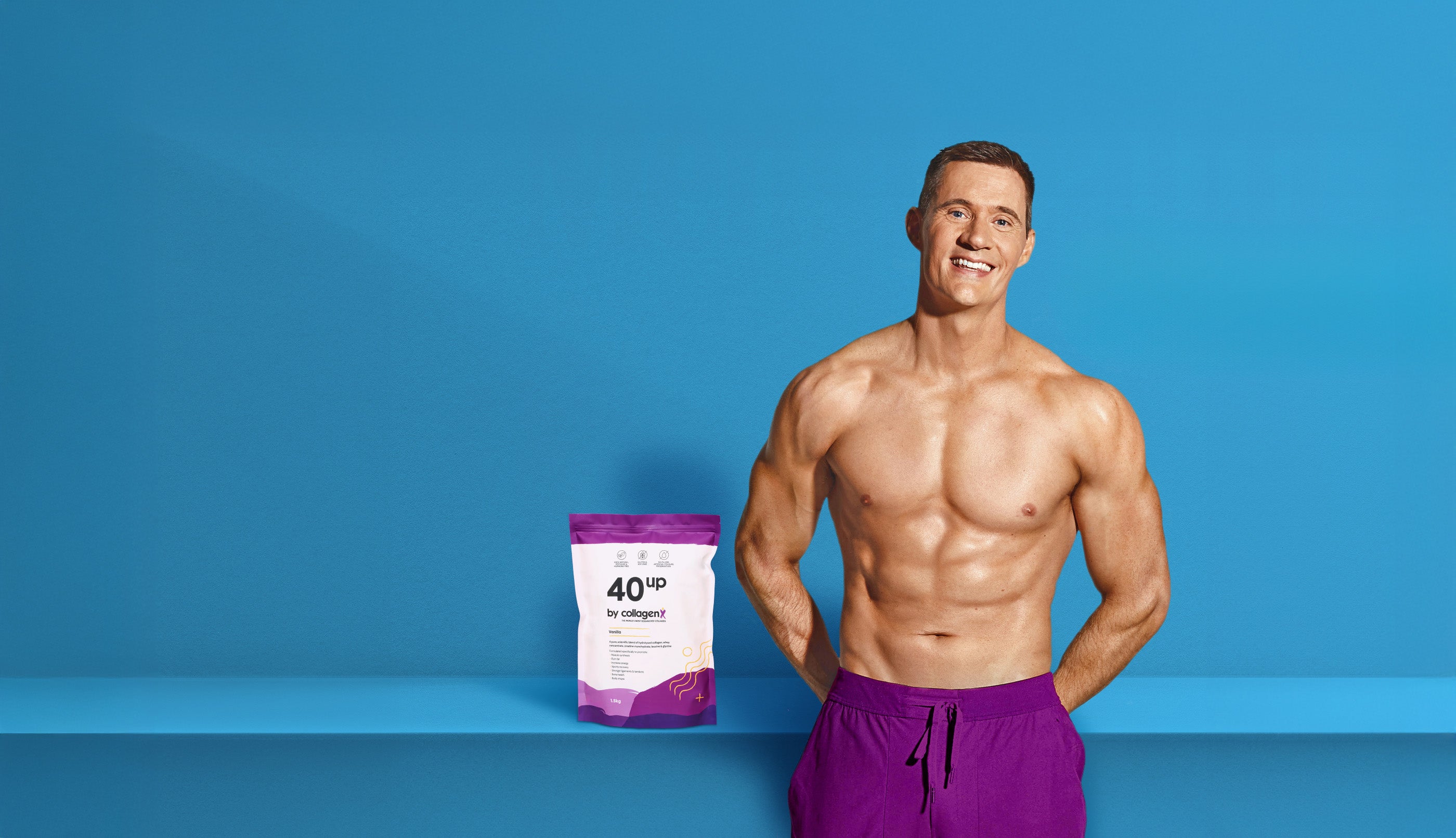
What Male Body Shape Do Women Find Most Attractive?What do women actually find attractive about a man's body? Research points to more than simply being muscular. Studies examining male body shape, body fat and proportions suggest that women tend to find a broad-shouldered, relatively narrow-waisted and lean, muscular physique attractive. But for men over 40, maintaining that physique becomes more challenging as muscle becomes less responsive to dietary protein. Discover what the science reveals about the male physique women find attractive, why body fat matters, and why protein and leucine become increasingly important as you age.

The Longevity Secret Hidden in Collagen: Why Glycine May Be One of the Most Important Nutrients for Healthy Aging
A fascinating area of longevity science is emerging around the balance of two amino acids: methionine and glycine. Research shows that reducing methionine intake can extend lifespan in animals, while increasing glycine may mimic the same longevity benefits. Modern diets tend to be rich in methionine (from muscle meat) but relatively low in glycine (found in collagen and connective tissue). This imbalance may influence inflammation, metabolic health, and aging processes. Recent scientific work suggests glycine helps the body safely process excess methionine, supports detoxification, stimulates cellular renewal processes like autophagy, and contributes to antioxidant systems such as glutathione. Collagen-rich foods—and collagen peptide supplements—are among the richest dietary sources of glycine. This article explores the science behind methionine restriction, glycine metabolism, and why collagen-rich nutrition may be gaining attention in longevity research.

Why Is My Collagen Causing Acne, Bloating and Weight Gain?
Could your collagen be causing acne, bloating or weight gain? The surprising answer may have less to do with collagen itself and more to do with what’s added to it. This article explores the common ingredients and formulation issues that may contribute to breakouts, digestive discomfort, puffiness and other unwanted reactions, and explains why choosing a simple, high-quality hydrolysed collagen can make all the difference.

Why Menopause Makes You Lose Muscle and Gain Fat: The Ray Peat Explanation
Menopause can change far more than your hormones. Discover Ray Peat’s unconventional perspective on why women may lose muscle, gain fat and struggle with energy during perimenopause and menopause. Explore the science behind these changes and practical, evidence-informed strategies to support muscle, metabolism and energy.

Why You’re Still Getting Injured After 40 (Even If You’re Getting Fitter): The Hidden Collagen Problem Dr Keith Baar Wants You to Understand
Why do injuries seem to become more common after 40, even when you're getting fitter and stronger? The answer may lie in the gap between how quickly your muscles adapt and how slowly your tendons, ligaments and other connective tissues respond. Drawing on the work of Dr Keith Baar and Professor Luc van Loon, this article explores collagen, connective tissue adaptation, exercise, recovery and the potential role of hydrolysed collagen in supporting an active body as you age.

Metabolic Collagen: Why the Next Generation of Collagen Peptides Could Change Weight Management
Collagen science is evolving. Discover how metabolic collagen is changing the conversation around healthy weight management. Learn why Nextida® GC is different from traditional collagen peptides, how it supports healthy post-meal glucose regulation and satiety, and why Slimsafe represents a new generation of precision collagen backed by emerging clinical research.

Intermittent Fasting Muscle Loss: The Hidden Trade-Off Nobody Talks About (Especially After 40)
Can intermittent fasting cause muscle loss, especially after 40? New research suggests that while fasting can help reduce body weight and fat, some of that weight may come from lean tissue. As anabolic resistance makes muscle harder to maintain with age, your protein strategy becomes increasingly important. Discover how to protect muscle while intermittent fasting with adequate protein, leucine, creatine and resistance training.

The Shocking Truth About Muscle Loss After 40: Science Says It Starts Decades Earlier Than You Think
Most people think muscle decline begins in their 60s. New research says otherwise. A groundbreaking Swedish study that tracked people for nearly 50 years found physical decline actually begins much earlier, often between ages 26 and 36, before accelerating after 40. By age 63, physical capacity had declined by as much as 48%. Discover what this means for adults over 40, why anabolic resistance matters, and the science-backed strategies that may help you stay stronger, leaner and more capable for longer.

The Vitamin C Lie: Why Most Collagen Supplements Are Missing The Best Part
Most collagen supplements claim to include vitamin C because it's "essential for collagen formation." While that's true, there's more to the story. Discover why added vitamin C isn't what makes hydrolysed collagen effective, the important difference between collagen absorption and collagen production, and why Glymax uses native organic Acerola Cherry for its natural vitamin C, immune support and rich spectrum of bioactive plant compounds.

Collagen Peptides vs Protein Powder: The Truth the Supplement Industry Rarely Explains
Most protein powders are built for one job: muscle growth. But your body needs more than muscle support—especially after 40. In this evidence-based guide, we explain the critical differences between collagen peptides, whey and plant protein, including amino acid profiles, gut health effects, collagen absorption, bioactive peptides, anabolic resistance and hidden additives found in many protein powders. Learn why glycine, proline and hydroxyproline matter for joints, skin, tendons and healthy ageing—and why choosing the right protein for the right tissue may change how you think about supplementation forever.

Can You Still Build Muscle After 40? (Yes — Here's Exactly How)
Most people over 40 assume declining muscle is inevitable. It isn't. What changes is the threshold your body needs to trigger muscle growth — a mechanism called anabolic resistance. That means you need more leucine per serving, more deliberate recovery, and targeted supplementation. Get those inputs right and the research is clear: meaningful muscle and strength gains are absolutely achievable, well into your 50s and beyond. Our latest post walks through the three questions people over 40 search for most — whether it's actually possible, what the best training program looks like, and exactly what to eat and supplement — with the science to back every answer.

Pre or Post Workout Protein Shake: The Science of Timing for Muscle Growth, Strength & Body Shape
The pre vs post workout protein debate misses the bigger picture. While both timings can support muscle growth, the real drivers are leucine intake, carbohydrate pairing, and understanding how muscle protein synthesis works. With a limited 3-hour window and reduced sensitivity as we age, a well-structured protein strategy matters far more than timing alone—especially for those focused on strength, body shape, and long-term results.

Why Your Protein Isn’t Working: The Hidden Peptides That Build Muscle, Repair Collagen & Slow Ageing
Discover why not all protein is created equal. Emerging science reveals that tiny protein fragments—known as di- and tri-peptides—act as powerful biological signals that influence muscle growth, collagen repair, and even ageing. This article explores how key amino acids like glycine, proline, and leucine work together to rebuild the body from within, and why targeted formulations like 40up align with this cutting-edge research. A must-read for anyone looking to optimise strength, recovery, and long-term health.

Pregnant… and Drinking This? The Quiet Link Between Artificial Sweeteners and Childhood Obesity
A recent study has found that consuming artificial sweeteners during pregnancy may increase the risk of children becoming overweight, with effects appearing early in life. Supporting research from Nature, JAMA Pediatrics, and the World Health Organization raises further concerns about the metabolic and gut health impacts of these sweeteners. Many “healthy” products, including flavoured collagen supplements, contain artificial sweeteners that may carry hidden risks. Choosing cleaner, additive-free options may be a more cautious approach—especially during pregnancy.

What Whey Protein Really Does to Your Gut: The Science Behind Daily Use and Digestive Health
Whey protein powder is widely used for muscle growth and recovery, but emerging research shows it also interacts closely with the gut microbiome. Specific whey proteins and peptides can influence bacterial growth, microbial metabolism, and the production of short-chain fatty acids (SCFAs), which play a key role in colon health. This article explores what whey protein is, what happens when you take it daily, and how its bioactive components affect gut health — using current scientific understanding while keeping things practical and easy to follow.

40up Protein, Muscle After 40, and the Surprising Science Behind Liver Health
New research shows that glycine, especially when combined with leucine, can significantly improve fatty liver disease, inflammation, and metabolic health. Each serve of 40up provides 4.5 g of glycine and 3 g of leucine, matching the therapeutic doses used in these studies. For men and women over 40, this means 40up supports not only muscle strength and recovery but also whole-body metabolic health — including the liver.

Creatine After 40: Why Training Experience Matters for Lean Muscle Growth
A large systematic review of 61 controlled trials shows that creatine significantly increases lean muscle when combined with resistance training—without increasing body fat. The research also reveals that experienced lifters gain up to 50% more lean mass than beginners, even in shorter timeframes, due to better insulin sensitivity and muscle creatine uptake. For men and women over 40, these findings are especially important, as ageing muscle becomes less responsive to training alone. With an evidence-based 3 grams of creatine per serve, CollagenX 40up aligns directly with the science, supporting lean muscle, strength, and training performance after 40.

Collagen After 40: The Real Story Behind Strength, Joints and Healthy Ageing
Most people think protein is only about building muscle. But after 40, the real challenge is maintaining the connective tissues that keep your body strong, mobile and resilient — your tendons, ligaments, cartilage and joints. In this article, we explore the fascinating science of how the body constantly rebuilds itself, why exercise and nutrition work together, and why collagen plays a unique structural role that traditional proteins can’t replace. Discover why high-quality hydrolysed collagen is becoming an important part of healthy ageing — and how choosing a clean, skin-sourced collagen like CollagenX may help support strength, recovery and long-term joint health. 👉 Read the full article to understand what collagen really does — and why it matters more after 40.

Why Muscle After 40 Feels Different (And What Most Protein Powders Miss)
Getting stronger after 40 isn’t about eating more protein — it’s about eating smarter protein: Leucine triggers muscle growth — but only if you hit the 3.0 g threshold per serving. Glycine enables that signal to work even under inflammation — and supports connective tissue. CollagenX 40up delivers both, unlike generic whey powders that focus mostly on leucine alone. If you’re serious about strength, resilience, and recovery after 40, your nutritional strategy needs to reflect the biology of aging — not marketing. CollagenX 40up does exactly that.

Leucine, Muscle Loss & Ageing: How Men and Women Over 40 Can Reignite Muscle Growth
Leucine is the key amino acid that triggers muscle growth, but ageing muscles require higher doses to respond. Research shows that men and women over 40 need more leucine per meal to overcome anabolic resistance. When combined with complete proteins and supportive nutrients—as in CollagenX 40up—leucine can help restore muscle protein synthesis, strength, and resilience later in life.

Best Protein Powder for Men Over 40: Beat Anabolic Resistance and Build Lean Muscle
After 40, your muscles become less sensitive to protein — meaning the same meals that worked in your 20s and 30s may no longer trigger strong muscle growth. This is called anabolic resistance, and it’s one of the biggest reasons people lose muscle and gain fat as they age. The fix is simple (but powerful):✅ higher-quality protein✅ enough protein per meal✅ leucine-rich ingredients✅ resistance training + daily movement CollagenX 40up is built to solve this exact problem with an evidence-based blend of whey protein, hydrolyzed collagen, creatine, leucine, glycine, MCTs, and prebiotics — making it one of the smartest choices for over-40 body recomposition.

The 6-Minute Collagen Protocol for Sports Injury Prevention & Recovery
A Quiet Revolution in Sports Injury Recovery In elite sport, injuries don’t just cost games — they cost careers. That’s why, quietly and without hype, a simple protocol discovered in 2017 has spread through the inner circles of professional sport. It’s now used by elite runners, professional baseball players, and high-performance rehab teams to strengthen tendons, protect ligaments, and dramatically speed recovery. The surprising part? It isn’t expensive.It isn’t complicated.And it’s available to anyone. At its core is something athletes have overlooked for decades: collagen — and how, when timed correctly, it can transform the body’s weakest links into its strongest assets. Where Sports Injuries Really Begin Most sports injuries don’t start in muscle. They start in connective tissue — tendons, ligaments, cartilage, and bone. These tissues absorb force, transfer power, and stabilise joints. They also share one critical weakness: 👉 Poor blood supply That’s why Achilles injuries linger.Why plantar fasciitis becomes chronic.Why stress fractures sideline runners for months.Why ACL and tendon ruptures are so common in explosive sports. Muscle heals fast.Connective tissue does not. Until now. The Discovery That Changed Everything In 2017, scientists developed a tissue-engineered model of human ligaments and tendons. When they enriched these tissues with amino acids found naturally in collagen — particularly glycine and proline — something remarkable happened. The ligaments became stronger. When vitamin C was added?They became stronger still. The researchers asked a simple but powerful question: “If feeding collagen-building amino acids strengthens engineered ligaments… could it do the same in humans?” To answer that, they went straight to the source. Why Collagen Matters for Athletes Collagen isn’t just another protein. It is the primary structural protein in: Tendons Ligaments Cartilage Bone Fascia And it contains amino acids most protein powders lack — especially glycine, which has been shown to rapidly remodel connective tissue and increase tendon resistance to mechanical stress. In fact, studies have shown the Achilles tendon becomes more resistant to loading when treated with glycine, helping it tolerate repeated impact without breaking down . That’s when researchers turned to gelatin and hydrolysed collagen — the richest natural sources of these exact amino acids. Dr Keith Baar’s Groundbreaking Athlete Study The real breakthrough came when Dr Keith Baar, PhD, Professor at the University of California, led a randomised clinical trial in elite athletes recovering from injury. Athletes were split into three groups: Placebo 5g gelatin 15g gelatin Blood samples showed collagen-building amino acids peaked one hour after ingestion. When that blood was fed into engineered ligaments, the results were clear: 5g produced more collagen than placebo 15g produced significantly more collagen The ligaments were mechanically stronger Then came the key insight. Why 6 Minutes of Exercise Makes All the Difference After ingesting collagen, athletes performed just six minutes of targeted exercise — such as jump rope. Why six minutes? Dr Baar explains: “Most connective tissue cells stop responding to exercise after about five or six minutes.” That short loading window triggers collagen synthesis — then shuts off. When collagen intake was paired with this brief exercise bout: Collagen synthesis doubled At 15g, it doubled again Much of this new collagen was built into bone and connective tissue, not muscle This is now known as the collagen loading protocol. How the Protocol Targets Injuries Where They Actually Occur Unlike muscle, tendons and ligaments don’t “drink” nutrients from the bloodstream. They behave like a sponge. When loaded: Fluid is squeezed out When unloaded, it rushes back in — carrying nutrients with it This means timing is everything. By taking hydrolysed collagen one hour before loading, athletes flood the bloodstream with amino acids and collagen peptides — then use movement to literally pull those nutrients into injured or vulnerable tissue. As Dr Baar explains: “You’re targeting your nutrients just to those specific areas that need to recover — and you can really decrease recovery time.” From Rehab to Injury Prevention What began as a rehab protocol quickly became a preventative strategy. Today: Pitchers load elbow and shoulder tendons before practice Runners jump rope to protect the Achilles, plantar fascia, and tibia Athletes with a history of stress fractures use it year-round The goal isn’t just healing — it’s making tissue stronger than before. Why CollagenX Is Different Not all collagen is created equal. To support this protocol, collagen must be: Hydrolysed for rapid absorption High in glycine and proline Free from additives that impair connective tissue health Tested for purity and bioavailability CollagenX Hydrolysed Collagen is trusted by athletes because it delivers: Exceptionally high collagen peptide concentration Fast absorption at the one-hour peak No fillers, emulsifiers, or inflammatory additives When timing matters, purity matters. Who This Protocol Is For This approach is ideal for: Runners with Achilles or plantar fasciitis issues Athletes recovering from stress fractures Sports involving jumping, sprinting, or change of direction Anyone with chronic tendon or ligament pain Athletes over 30 noticing slower recovery If you rely on your body to perform, this protocol isn’t optional — it’s foundational. Summary: A Simple Shift That Changes Everything This isn’t hype.It’s not a shortcut.And it’s not new. It’s a smarter way to work with your body’s biology. By pairing 15g of high-quality hydrolysed collagen with six minutes of targeted loading, athletes are: Preventing injuries before they start Healing connective tissue faster Returning to sport stronger than before And the best part? You don’t need elite facilities to use it.Just the right collagen — at the right time.

Best Protein Powder for Women Over 40: Build Lean Muscle, Burn Fat & Age Strong
The best protein powder for women over 40 supports more than just “protein intake.” It should help maintain lean muscle (which supports metabolism and long-term health), improve recovery, support joints and skin, and help with appetite control. Whey protein concentrate provides high-quality muscle-building protein, leucine helps trigger muscle protein synthesis, creatine supports strength and training performance, collagen and glycine support connective tissue and recovery, MCT supports energy and satiety, and oligofructose supports gut health. CollagenX 40up combines these ingredients into one formula designed specifically for adults over 40.

Muscle After 40: The Quiet Chemistry That Determines Whether You Grow or Shrink
After 40, your body doesn’t respond to protein the same way it used to. Muscle loss accelerates, inflammation rises, and cortisol quietly works against you.40up by CollagenX is designed specifically to counter these changes — supporting muscle growth, strength, recovery, and metabolic health with the right balance of collagen, leucine, creatine, and supportive nutrients. If you want to age stronger — not smaller — muscle is the priority.

What to Eat Before and After Surgery for Faster Healing & Recovery
Nobody ever wants to undergo surgery, however the reality is that most of us will. This article highlights oral nutritional strategies that patients could easily implement prior to and following major surgery to preserve muscle, minimize atrophy and the resultant loss of functionality. In this comprehensive guide we discuss the importance of surgery nutrition, preoperative carbohydrate intake, and best protein intake after surgery, to help reduce muscle loss, manage insulin resistance, and speed recovery. Also included are easy to follow timelines and meal guidance tables.

What Is Multi Collagen Protein? A Beginner’s Guide
The buzz around multi collagen protein is growing, and for good reason! With this daily supplement, you get a holistic boost to your well-being, addressing everything from skin health to joint comfort. But what is multi collagen protein and is it right for you and your family? This guide explains how collagen Types I, II, and III work together to deliver essential support and science-backed results. Key Takeaways: Did you know there are 28 types of collagens? A multi collagen protein powder like Jointfix from CollagenX, combine types I, II, and III for comprehensive support. Studies show Type I collagen can reduce eye wrinkles by 20% and boost your skin's own production of Type I collagen by 65% in just 8 weeks. Type II collagen supports resilient joints. A 2023 study confirmed peptides are easily absorbed by joint tissues to repair cartilage, ease pain, and improve mobility. Type III collagen supports healthy skin elasticity and a robust gut lining, working with Type I for comprehensive tissue support. Why Collagen Types Matter Not all collagen is the same. Just like family members have different roles, each collagen type serves a specific purpose in your body, building and maintaining different tissues. While 28 types exist, Type I, Type II, and Type III are the most important. These three form the foundational building blocks for much of your body's structure. Jointfix from CollagenX specifically focuses on delivering these most impactful and well-researched types. Benefits of Multi Collagen Protein (Types I, II & III) To understand multi collagen protein powder benefits, it's helpful to explore the different collagen types, their unique roles in the body, and how combining Types I, II, and III can deliver comprehensive support for your overall well-being. Type I Collagen: For Skin, Bones & More The most abundant protein in your body, Type I collagen supports skin elasticity, helping it stay firm and smooth. It also supports strong bone structure and contributes to hair and nail strength. In clinical studies, collagen peptides have been shown to significantly increase skin hydration within 8 weeks and boost collagen density in just 4 weeks. Type II Collagen: Vital for Joints & Cartilage Type II collagen is vital for maintaining cartilage health. It supports smooth, comfortable joint mobility, aids in shock absorption, and reduces friction. A 2023 study showed that hydrolyzed collagen peptides are easily absorbed by joint tissues and can stimulate the cells that produce cartilage. This helps to repair joints, ease pain, and improve overall function. Type III Collagen: Supporting Skin & Gut Health Often found alongside Type I in skin and organs, Type III collagen is important for skin elasticity and the integrity of your gut lining. It helps to maintain a healthy digestive system and robust internal tissue, complementing Type I for comprehensive skin and tissue health. This synergy is where the real multi collagen protein powder benefits shine, providing broad support for your body, from appearance to joint and gut health. Multi Collagen vs Single-Source Collagen: Is More Better? With so many collagen supplements available, you might wonder if a single-source option is enough, or if a multi collagen protein powder offers more. Here’s everything you need to know to make the right choice. Single vs. Multi: The Core Difference While single-source collagens (like marine collagen and bovine collagen) provide excellent benefits to skin, hair, and connective tissues, they may not provide quite as much support for specific joint concerns. By combining different collagen types, a multi collagen protein powder ensures a broad spectrum of benefits, addressing many areas of your body simultaneously. Why Jointfix Stands Out Jointfix from CollagenX is designed with this holistic approach in mind. It includes Types I, II, and III to target skin elasticity, joint cushioning, and gut lining health, all in one powerful product. The Power of Key Ingredients Central to Jointfix's effectiveness is Colartix®, a unique Type II collagen peptide from Rousselot, a global leader in collagen production. Derived from a hydrolysed cartilage, it's naturally rich in components like chondroitin sulphate, vital for joint lubrication. This specific Type II collagen is crucial because it forms the very foundation of your cartilage. It's particularly beneficial for joint health and cartilage repair, including common sports injuries like meniscus tears or ACL issues. Studies show Colartix® can significantly reduce joint discomfort in as little as 3 weeks. Rousselot® findings further highlight its benefits for overall joint comfort, mobility, and pain reduction with consistent use. Making the Right Choice for You While not everyone needs five or more collagen types, combining the three most clinically supported ones with Jointfix can deliver more comprehensive benefits than single-source options. It’s a well-rounded solution for anyone who wants to focus on holistic health and wellness. How to Use Multi Collagen Protein Powder Because it’s designed for maximum convenience and effectiveness, using Jointfix Multi Collagen Protein Powder couldn’t be easier. Here’s how to make it part of your daily routine. Effortless Blending: Jointfix has a neutral taste and dissolves easily. It’s perfect for adding to your morning coffee, blending into smoothies, or simply mixing with water or juice. Daily & Long-Term Use: For optimal benefits to skin elasticity, joint comfort, and gut health, take Jointfix daily. Consistency is key for gaining long-term support. Flexible Timing: Enjoy your collagen any time of day that suits your routine. Superior Absorption: Thanks to its hydrolysed form, Jointfix delivers highly bioavailable peptides, ensuring your body absorbs and uses the collagen for maximum impact. Is Multi Collagen Protein Safe and Effective? Multi collagen protein supplements like Jointfix are generally very safe when taken as directed. Our formula uses hydrolysed collagen, broken down for optimal absorption and effective results. We prioritise ethical sourcing, and Jointfix ingredients are Halal and Kosher certified. Jointfix does contain bovine-derived ingredients, so if you do have related allergies, consult your healthcare professional first. Final Thoughts – What Does Multi Collagen Protein Do for You? Navigating the world of supplements can feel confusing. But, understanding the science behind collagen and the unique ways each type supports your skin, joints, and bones is a powerful start. As we've explored, multi collagen protein isn't just a passing trend. It's about nurturing your body's fundamental building blocks for deep, holistic health and wellbeing. Fortunately, there's no confusion with CollagenX. Packed with clinically supported Types I, II, and III collagen in one single, easy-to-use powder, Jointfix simplifies your journey to comprehensive wellness. Add it to your daily routine today! References Asserin J, Lati E, Shioya T, Prawitt J. The effect of oral collagen peptide supplementation on skin moisture and the dermal collagen network: evidence from an ex vivo model and randomized, placebo-controlled clinical trials. J Cosmet Dermatol. 2016;15(4):291-301. https://doi.org/10.1111/jocd.12174 Martínez-Puig D, Costa-Larrión E, Rubio-Rodríguez N, Gálvez-Martín P. Collagen Supplementation for Joint Health: The Link between Composition and Scientific Knowledge. Nutrients. 2023;15(6):1332. https://pmc.ncbi.nlm.nih.gov/articles/PMC10058045/ Rousselot. Digitally enabled study highlighting the positive effects of Rousselot’s hydrolyzed cartilage. Rousselot News. 2023 May 08. https://www.darlingii.com/media/news/rousselot-digitally-enabled-study-highlighting-the-positive-effects-of-rousselots-hydrolyzed Rousselot. Is collagen the next generation of joint health supplements? Rousselot Collagen. 2019 Apr 15. https://www.darlingii.com/rousselot/resources/blogs/2019/04/rousselot-is-collagen-the-next-generation-of-joint-health-supplements

Bovine Collagen Explained: A Guide to Its Health Benefits
Ever wondered how to unlock better joint comfort, more radiant skin, and improved gut health? Meet bovine collagen, the wellness world’s new favourite protein! Naturally sourced from cows, it's packed with Types I and III collagen, offering holistic support across your body. So, what is bovine collagen, how does it work, and what are its most exciting benefits? Read on to get the facts and learn if bovine collagen is right for you. Key Takeaways: Bovine collagen is a natural protein, rich in both Types I and III, and hydrolysed for easy absorption. It offers clinically proven support for healthier skin, stronger joints, improved gut function, and robust bone and tendon health. Choosing grass-fed bovine collagen ensures a high-quality, sustainable supplement ideal for those prioritising purity, health, and wellbeing. What is Bovine Collagen and Where Does It Come From? Bovine collagen is a natural protein extracted from cow hides, bones, and cartilage. These parts are rich in connective tissues, making them an ideal source of collagen. Through hydrolysis, these tissues are broken down into easily absorbed collagen peptides. However, not all collagen is created equal. So, what is grass-fed collagen, and why does it matter? This type of bovine collagen is sourced from cattle raised on natural grasses with freedom to roam, a stark contrast to conventional, grain-fed alternatives. This choice shows a commitment to higher quality, more sustainable, and often hormone-free sourcing. Types of Collagen in Bovine Supplements When you take bovine collagen, you're getting a rich source of Type I and Type III collagen. Here's how the pair work to keep so many parts of your body healthy. Type I Collagen: As the most prevalent collagen in the human body, it's essential for supporting skin elasticity and firmness, providing robust structure to bones, and maintaining the strength of tendons. Type III Collagen: Often found alongside Type I in skin and organs, Type III is vital for the health and integrity of your gut lining and blood vessels, supporting overall digestive and vascular wellbeing. This powerful duo works together to provide structural integrity and elasticity, ensuring real support for your skin, bones, gut, and connective tissue. Key Bovine Collagen Benefits So, is bovine collagen good for you? As a rich source of Type I and III collagen, it delivers comprehensive support for your overall health and wellbeing. Here are the bovine collagen benefits you can expect to enjoy: Improved Skin Elasticity and Hydration: It provides foundational building blocks, enhancing skin hydration and elasticity for a smoother, more supple complexion. Studies highlight that collagen supplements improve skin moisture, elasticity, and hydration, while reducing the wrinkling and roughness of the skin. Joint Function and Cartilage Health: A vital connective tissue component, bovine collagen supports joint integrity and cartilage, reducing friction for comfortable, flexible movement. Gut Lining Support and Digestion Aid: Research shows Type III collagen to be a major structural component in the bowel and large blood vessels. It maintains gut lining and supports a strong intestinal barrier for better digestion and comfort. Bone and Tendon Health: As a major structural component of bones and tendons, collagen supports bone density and maintains their resilience and mobility. A 2018 study shows daily collagen intake can boost bone density and positively impact bone health markers by reducing degradation. How is Bovine Collagen Made? Ever wondered how bovine collagen goes from its raw form to something your body can actually use? Here's how the process works: Sourcing Raw Materials: The journey begins by carefully sourcing the collagen-rich parts from cows, like hides, bones, and cartilage. For grass fed bovine collagen, this important step involves selecting materials from pasture-raised cattle, ensuring a high-quality and sustainable process. Collagen Extraction: Large, intact collagen proteins are then carefully extracted from these raw materials. Hydrolysis: This is the key transformation step. Through an enzymatic process called hydrolysis, these large collagen proteins are broken down into smaller, more manageable pieces called collagen peptides. Optimised for Absorption: This "pre-digestion" ensures the collagen peptides are highly bioavailable, meaning your body can easily absorb and use them. At CollagenX, we use this precise production process to create our grass-fed bovine collagen exclusively from cowhides — never bones, which can accumulate heavy metals over time. This ensures you’re getting a clean, high-quality product that supports your wellbeing. How to Use Bovine Collagen Adding bovine collagen to your daily routine is surprisingly simple! Remember, consistency is the secret to seeing those fantastic results for yourself. Here are our top tips for success: Start with the Right Amount: We recommend starting with a daily dose of around 10g (roughly one table spoon). This is a great baseline to begin experiencing the benefits. Mix It Your Way: Bovine collagen powder is super versatile, virtually tasteless and odourless, and dissolves easily into almost anything. Stir it into your morning coffee or tea, blend it into your favourite smoothie, or even sneak it into baked goods like muffins or pancakes. Consistency is Key: Just like any good health habit, regular use is where the magic happens. Make it a non-negotiable part of your daily routine, whether it's with breakfast, after a workout, or before bed. Be sure to give your body the time it needs to show those visible improvements. Is Bovine Collagen Good for You? Bovine collagen is a fantastic way to support your wellbeing. Beyond the current hype, clinical research shows it’s packed with Type I and III collagens, that’s brilliant for everything from healthy skin and strong joints to a happy gut. For the very best, choose grass-fed bovine collagen and one made from only cowhides. It's a top-quality, sustainable choice that truly aligns with your values. Shop Bovine Collagen Peptide Powder Ready to feel the difference? Explore our Pure Bovine Collagen Peptide Powder and check out more insights on our blog, Marine Collagen vs. Bovine Collagen – Which Type is Best for You? References Al-Atif H. Collagen Supplements for Aging and Wrinkles: A Paradigm Shift in the Fields of Dermatology and Cosmetics. Dermatol Pract Concept. 2022;12(1):e2022018. https://doi.org/10.5826/dpc.1201a18 Fox AJS, Bedi A, Rodeo SA. The Basic Science of Articular Cartilage: Structure, Composition, and Function. Sports Health. 2009;1(6):461-468. https://doi.org/10.1177/1941738109350438 Kuivaniemi H, Tromp G. Type III collagen (COL3A1): Gene and protein structure, tissue distribution, and associated diseases. Gene. 2019;707:151-171. https://doi.org/10.1016/j.gene.2019.05.003 König D, Oesser S, Scharla S, Zdzieblik D, Gollhofer A. Specific Collagen Peptides Improve Bone Mineral Density and Bone Markers in Postmenopausal Women—A Randomized Controlled Study. Nutrients. 2018;10(1):97. https://doi.org/10.3390/nu10010097

Daily Protein for Older Adults: Meeting Your Needs for Strength and Vitality
As we age, maintaining our strength and vitality becomes increasingly important. You might be wondering how to best support your body's changing needs, or perhaps you're caring for an older loved one and seeking ways to help them thrive. The good news is that protein for older people is the key to healthy ageing. Let's explore why daily protein is central to maintaining your wellbeing as you age. Key Takeaways As we get older, protein becomes even more crucial for maintaining muscle mass, strength, and vitality. Older adults (60+) need 1.0 to 1.2 grams of protein per kilogram of body weight daily, and even more (1.2 to 1.5 g/kg) during illness or recovery. CollagenX's 40UP combines whey and collagen with creatine and leucine, scientifically formulated to help adults over 40 build muscle, strength, and energy. Why Protein Matters More as We Age Ever wondered, do you need more protein as you get older? The answer is a resounding yes. As we age, our bodies naturally experience a decline in muscle mass, a condition known as sarcopenia, which increases the risk of frailty and falls. This is compounded by "anabolic resistance," meaning our muscles don't build or repair themselves as efficiently from protein as they used to. That's why adequate protein for older adults, alongside amino acids like leucine, glycine, and creatine (in the right amounts), are crucial for maintaining strength, supporting immunity, and ensuring effective tissue repair and recovery. Protein Requirements for Seniors: How Much Is Enough? Age Protein RDA (per kg body weight) Healthy Adults (under 60) 0.8 grams Healthy Older Adults (60+) 1.0 - 1.2 grams Older Adults During Illness, Injury, or Hospitalisation 1.2 - 1.5 grams or more While the general protein RDA is 0.8 grams per kilogram of body weight, daily protein requirements for older adults are significantly higher. For healthy individuals aged 60+, experts recommend 1.0 to 1.2 grams per kilogram daily, vital for counteracting muscle loss and anabolic resistance. For example, an average 75 kg senior woman would need approximately 75 to 90 grams of protein per day. Unfortunately, it’s estimated that 38% of men and 41% of women have dietary protein intakes below the RDA, and some research suggests that even these recommended amounts could be too low. Plus, when recovering from an accident, illness, or hospital stay, the body needs even more protein, as much as 1.2 to 1.5 grams per kilogram or more. Falling short of these protein requirements for seniors can lead to muscle decline and increased risk of falls and injury. Why Older Adults Struggle to Get Enough Protein Even though protein is so crucial, it's common for older adults to hit a few roadblocks when getting enough each day. Here are some common reasons why: Appetite and Dietary Changes: Declining appetite and difficulties with chewing or swallowing can significantly reduce overall food, especially protein-rich options. Digestive Shifts: Age-related digestive changes can impact nutrient absorption, including protein. Limited Awareness & Dietary Habits: A lack of awareness about increased protein needs, coupled with traditional diets often low in high-protein options, contributes to shortfalls. Need for Easy Sources: So, how can seniors get more protein? It’s all about finding enjoyable, accessible and easy-to-digest sources to maintain consistent intake. How CollagenX Supports Protein Needs in Older Adults Finding an easy and effective way to boost protein can make all the difference. At CollagenX, our collagen protein can offer daily support for your body, designed to get absorbed quickly and provide everything you need: Powerful Protein Source: CollagenX's hydrolysed collagen powder is an impressive 97% protein, offering a concentrated and readily absorbed boost to your daily intake. Targeted Health Benefits: Rich in amino acids like glycine, our collagen actively supports areas that need some extra help, like skin, joints, and connective tissue. Digestion & Enjoyment: Easy to use and digest, our tasteless collagen peptides dissolve instantly. They're the perfect addition to your tea, coffee, smoothies, or porridge. Ready to see how easy it is to add this powerful protein to your day? Discover 40UP from CollagenX. It’s scientifically formulated to help people over 40 build muscle and boost energy for a more vibrant life. Shop 40UP Collagen Protein Powder Other Easy Ways to Boost Protein Intake for Seniors Beyond supplements, enjoying protein-rich foods throughout your day is a delicious and effective strategy. Here are some simple ways to enhance your protein intake: Prioritise Easy-to-Eat Sources: Focus on foods gentle on digestion and easy to chew. Eggs, Greek yoghurt, soft fish like salmon, and cottage cheese, all provide an easy and effective protein boost. Distribute Protein Evenly: Instead of consuming most protein in one sitting, aim to spread your intake. Include protein at breakfast, lunch, and dinner to maximise muscle protein synthesis throughout the day. Combine with Supplements: Supplements like CollagenX effortlessly complement meals. Stir a scoop into your coffee or oatmeal, blend into a smoothie, or mix into soup to easily reach your daily protein targets. Final Thoughts: Do You Need More Protein as You Get Older? So, do you need more protein as you get older? The science clearly says yes. Many seniors aren't getting enough to counteract age-related muscle loss and maintain overall health. But the good news is that boosting your intake is both achievable and beneficial. For a targeted solution to meet these increased needs and combat anabolic resistance, explore CollagenX's 40UP: Whey & Collagen Protein Powder. This scientifically formulated blend, with key ingredients like creatine, leucine, and glycine, is specifically designed to boost protein for older people, aiding muscle mass, strength, and energy for a more vibrant life. References: Moore DR, et al. Protein ingestion to stimulate myofibrillar protein synthesis requires greater relative protein intakes in healthy older versus younger men. J Gerontol A Biol Sci Med Sci. 2015;70(1):57-62. https://doi.org/10.1093/gerona/glu103 Pedersen AN, Cederholm T. Health effects of protein intake in healthy elderly populations: a systematic literature review. Food Nutr Res. 2014;58:23364. https://doi.org/10.3402/fnr.v58.23364 Weiler M, et al. Is It Time to Reconsider the U.S. Recommendations for Dietary Protein and Amino Acid Intake? Nutrients. 2023;15(4):1006. https://pubmed.ncbi.nlm.nih.gov/36839196/ Mangano KM, Sahni S, Kiel DP, Tucker KL, Dufour AB, Hannan MT. Protein intake and muscle function in older adults: the Health, Aging and Body Composition Study. J Gerontol A Biol Sci Med Sci. 2017;72(5):631-637. https://pmc.ncbi.nlm.nih.gov/articles/PMC4394186/ Putra C, et al. Protein Source and Muscle Health in Older Adults: A Literature Review. Nutrients. 2021;13(3):743. https://pmc.ncbi.nlm.nih.gov/articles/PMC7996767/

Collagen for Tendon and Ligament Repair – Can It Help Recovery?
Injuries to tendons and ligaments can sideline even the most dedicated athletes or active individuals. Increasingly, research shows that collagen for tendon repair and collagen for ligament repair may be effective strategies to help accelerate injury recovery and restore joint health. In this guide, we explore how collagen works, what the research says, and the best supplementation protocol for optimal results. Highlights: Learn how collagen, paired with vitamin C and light exercise, can enhance tendon and ligament healing. Understand the most effective collagen dosage and timing strategy used by elite athletes. Discover which types of collagen supplements are best for injury recovery and joint support. Understanding Tendon and Ligament Injuries Tendons connect muscles to bones, while ligaments connect bones to each other, providing essential support and stability to joints. These connective tissues are largely made of collagen, particularly Type I collagen, which gives them strength and elasticity. Injuries such as sprains, tears, and overuse strains are common, especially among athletes and ageing individuals. Hormonal fluctuations — like increased oestrogen levels during menstruation — can also weaken connective tissue, making women more vulnerable to injury. Healing is notoriously slow due to the poor vascularisation of tendons and ligaments, limiting the delivery of nutrients and regenerative cells to the injured site. Supplementing with collagen for tendon repair has shown promise in speeding up this process by improving collagen synthesis and tissue regeneration. This is where targeted collagen supplementation may offer a solution. The Role of Collagen in Tissue Repair and Regeneration Collagen is the most abundant protein in the human body and the primary structural component of connective tissue. It acts like scaffolding, providing the structural integrity needed to support skin, bones, muscles, tendons, and ligaments. In tendons and ligaments specifically, Type I and Type III collagen dominate, supplying the tensile strength and flexibility that enable dynamic movement and joint stability. When an injury occurs, collagen is broken down and must be replaced. Supplementing with hydrolysed collagen increases the body's pool of essential amino acids such as glycine, proline, and hydroxyproline. These are the building blocks the body uses to synthesise new collagen fibres, helping to regenerate damaged tissue more efficiently. Vitamin C is a critical cofactor in this process. It enables the enzymatic reactions necessary to convert amino acids into strong, structured collagen. Without it, the body cannot produce collagen effectively, which is why pairing collagen supplements with vitamin C is so important. Emerging research also suggests that collagen supplementation may help stabilise oestrogen levels, offering protective effects during menstruation or perimenopause when ligaments can become more vulnerable. In men, collagen supports tissue resilience under stress, particularly during rigorous training or recovery from injury. Why Supplementing with Collagen Works Hydrolysed collagen is a form of collagen that has been broken down into smaller amino acid chains known as peptides. These smaller peptides are significantly easier for the body to absorb and utilise, making hydrolysed collagen far more effective than standard collagen sources. Once absorbed, these peptides circulate in the bloodstream and accumulate in cartilage, skin, and connective tissues. When paired with vitamin C, collagen synthesis is further enhanced. Vitamin C acts as a critical cofactor in the enzymatic process that stabilises and cross-links collagen fibres, essential for the structural integrity of tendons and ligaments. Without sufficient vitamin C, the body cannot form or store collagen efficiently. Injury recovery often hinges on the body’s ability to regenerate and remodel collagen-rich tissues. Supplementing with collagen for injury recovery ensures that the body receives the necessary amino acids to rebuild damaged structures efficiently. Regular collagen supplementation provides the raw materials needed to rebuild these tissues faster. Scientific studies have confirmed that daily collagen intake, combined with targeted exercise, improves mechanical properties such as strength, stiffness, and elasticity in tendons and ligaments. This makes it an effective addition to rehabilitation programmes and injury prevention strategies alike. Best Collagen Protocol for Tendon & Ligament Repair To maximise healing, researchers recommend a daily dose of 15g of hydrolysed collagen or gelatin, taken in conjunction with vitamin C. The timing and frequency of supplementation are crucial to achieve the best results. Timing: Consume the collagen supplement 30 to 60 minutes before light, load-bearing exercise. This ensures peak amino acid availability in the bloodstream when connective tissues are most receptive. Targeted Movement: Follow with 5 to 6 minutes of specific, low-impact exercises, such as jump rope, resistance bands, or light agility drills. These short bursts of mechanical loading mimic the kind of stress that tendons and ligaments respond to, triggering tissue regeneration. Frequency: Repeat the cycle up to three times per day, spaced every 6 hours. This aligns with the natural rhythm of tendon cell responsiveness, allowing for repeated nutrient uptake. Consistency: Maintain this protocol throughout the acute, subacute, and recovery phases of injury healing. Continuation during post-recovery phases may also help prevent re-injury. This science-backed approach is now used in elite sport, from long-distance runners to professional baseball players, and has shown significant results in reducing downtime and enhancing performance longevity. What the Research Says – Can Collagen Speed Up Recovery? Numerous studies support the use of collagen for injury recovery, particularly when combined with mechanical loading exercises and co-nutrients such as vitamin C. One landmark randomised clinical trial led by Dr Keith Baar at the University of California investigated how collagen intake paired with brief, targeted exercise could impact tissue repair. The study involved participants consuming either 5g or 15g of gelatin one hour before six minutes of jump rope. Blood samples collected after supplementation showed a significant increase in amino acid levels, and when this enriched serum was applied to lab-engineered ligaments, researchers observed higher collagen production. The group that consumed 15g of gelatin demonstrated a doubling of collagen synthesis compared to the placebo. Additional studies corroborate these findings, noting improvements in the mechanical strength and stiffness of tendons and ligaments when collagen is combined with vitamin C. This timed protocol is now increasingly recommended by sports scientists, athletic trainers, and physiotherapists as an evidence-based enhancement to conventional rehab strategies, especially for recurring stress injuries. Choosing the Right Collagen Supplement Selecting a high-quality collagen supplement is essential for achieving the best recovery results. Not all collagen products are created equal, and bioavailability plays a key role in efficacy. Look for supplements that contain hydrolysed collagen peptides – these are easier for the body to absorb and ensure faster delivery of essential amino acids to your joints and connective tissues. Ideally, the product should offer a blend of Type I, II, and III collagen, as these support the structural integrity of tendons, ligaments, cartilage, and skin. Products like Jointfix deliver this multi-type support. Consider supplements that include added glycine and vitamin C, such as Glymax, to further enhance collagen synthesis. Glycine is the most abundant amino acid in collagen, while vitamin C is essential for forming stable collagen fibres. Shop Glymax: Collagen with Glycine and Vitamin C Lastly, prioritise brands that use clean-label formulations – free from artificial additives, fillers, or unnecessary flavourings. Choose products that are lab-tested for purity, sustainably sourced, and backed by transparent clinical research to ensure both safety and efficacy. Final Thoughts – Is Collagen Really Effective for Recovery? The evidence supporting collagen supplementation for tendon and ligament recovery continues to grow. Research indicates that when taken consistently and in the correct dosage, especially alongside vitamin C and light mechanical loading, collagen can significantly enhance the body’s ability to heal connective tissue. While it may not replace physical therapy or clinical intervention, collagen is a powerful adjunct therapy that fits seamlessly into most rehabilitation programmes. It is safe, accessible, and increasingly validated by elite-level use. Whether you're an athlete, active individual, or recovering from surgery, collagen offers a simple yet effective tool to aid recovery and protect long-term joint health. Shop All CollagenX Supplements

Marine Collagen Explained: Benefits You Need to Know
What if the marine collagen you choose matters just as much as taking collagen in the first place? Marine collagen is collagen obtained from fish, commonly from fish skin. It is processed into hydrolysed collagen peptides, which are smaller peptides that can be digested and absorbed by the body. For people interested in skin, beauty and healthy ageing, marine collagen has become increasingly popular. But "marine collagen" describes a category, not a single ingredient. The source of the collagen, the fish species and the specific collagen ingredient all matter. What does marine collagen do? Collagen is a major structural protein in the skin, contributing to its strength, firmness and elasticity. Research has investigated whether consuming collagen peptides can support aspects of skin health, particularly skin hydration and the structure of collagen within the dermis. One of the important ingredients investigated in this area is Peptan®, a specific range of collagen peptides manufactured by Rousselot. What does the research show? Clinical research on Peptan® F, a fish-derived collagen peptide, provides useful evidence for skin health. In a randomised, placebo-controlled study, women taking 10 g of Peptan® F daily for eight weeks experienced a 12% increase in skin moisture. A second clinical study found that 10 g daily was associated with an approximately 9% increase in dermal collagen density after 12 weeks, together with reduced fragmentation of the collagen network. These studies measured changes within the skin, rather than relying only on participants' perceptions of their appearance. Read the published Peptan® research Why does the specific collagen ingredient matter? "Marine collagen" doesn't tell you exactly what you're getting. Different marine collagen products can come from different fish species and manufacturers, use different production processes and have different peptide characteristics. Research conducted on one collagen ingredient should therefore not automatically be applied to every marine collagen product. The evidence belongs to the collagen ingredient that was studied. That's why CollagenX identifies its collagen by name. Pure Wild-Caught Marine Collagen contains 100% Peptan® Marine Collagen Peptides. What should you look for in a marine collagen? 1. A clearly identified collagen ingredient Look beyond "marine collagen". Find out which specific collagen ingredient the product contains. CollagenX uses 100% Peptan® Marine Collagen Peptides, so you know exactly what you're buying. 2. Published human research Look for clinical research involving the specific collagen ingredient, rather than relying on general statements that collagen has been studied. Peptan® has been investigated in human clinical research, including studies of skin moisture and dermal collagen. 3. Hydrolysed collagen peptides Hydrolysis breaks collagen down into smaller peptides that can be digested and absorbed. CollagenX Pure Wild-Caught Marine Collagen contains 100% hydrolysed Peptan® Marine Collagen Peptides. 4. Know the source and species Marine collagen can come from different species of fish, and the collagen used in research isn't necessarily interchangeable with collagen from another species or manufacturer. CollagenX Pure Wild-Caught Marine Collagen is produced from the skins of wild-caught ocean whitefish supplied through MSC-certified fisheries. So you know both where the collagen comes from and which specific collagen ingredient you're consuming. 5. A simple ingredient list If collagen is the reason you're buying the product, you should be able to see exactly what else is in it. CollagenX Pure Wild-Caught Marine Collagen contains one ingredient only: 100% Peptan® Marine Collagen Peptides. No fillers, gums, artificial colours, flavours or sweeteners. 6. A meaningful daily dose Look at how much collagen you actually receive per serve. Clinical research investigates specific doses, not simply the presence of collagen. CollagenX provides 10 g of Peptan® Marine Collagen Peptides per daily serve, matching the daily amount used in the key Peptan® fish collagen studies above. Why CollagenX chose Peptan® There are many marine collagen products available. The important question isn't simply whether a product contains marine collagen. It's which collagen it contains and what evidence exists for that specific ingredient. CollagenX chose Peptan® Marine Collagen Peptides because the ingredient has published human research behind it. Our Pure Wild-Caught Marine Collagen combines that researched collagen ingredient with wild-caught ocean whitefish from MSC-certified fisheries and a one-ingredient formulation. Know your collagen. Know your source. Know the evidence. Explore CollagenX Pure Wild-Caught Marine Collagen Shop Marine Collagen Peptide Powder So, if you’re seeking a skin-friendly, sustainable addition to your routine, marine collagen is worth considering. Ready to experience the difference? Explore CollagenX's Pure Wild Caught Marine Collagen Peptide Powder and begin your journey towards enhanced natural wellness.

Collagen for Dry Skin – Your Secret Weapon Against Winter Skin Woes
As the seasons change and temperatures drop, many of us start to experience dry, flaky skin. But what if there was a simple, natural, and effective way to stop the Aussie winter steal your skin's glow? Collagen could be your secret weapon against these winter woes, helping your skin stay soft, supple and hydrated year-round. This blog shares the surprising benefits of collagen for dry skin, with tips on choosing the right supplements and designing the ultimate winter skincare routine. Key Takeaways: Cold, dry conditions strip skin of its moisture, but supplementing collagen strengthens and hydrates from within. Using collagen for dry skin can provide lasting hydration, unlike surface-level topical creams and moisturisers alone. Combat dry skin in winter with collagen (particularly Type I), glycine, vitamin c, and barrier-boosting skincare with ceramides and hyaluronic acid. Why Does Skin Get Dry in Winter? Understanding how the cold season steals our skin's moisture can help you fight back. One of the main culprits is the dry winter air itself. Cold air holds less moisture than warm air, leading to lower humidity levels both indoors and outdoors. This lack of moisture causes the water in our skin to evaporate more easily, a process known as trans-epidermal water loss. We also crank up the indoor heating to stay cosy. While comforting, central heating, fireplaces, and electric heaters further dry out the air and increase moisture loss from our skin. Physiologically, our skin's natural oil production, or sebum, can also decrease in colder temperatures. This oily layer acts as a protective barrier, helping to lock in moisture. With less sebum, our skin becomes more vulnerable to dryness. The result? A cascade of uncomfortable symptoms. You might experience a feeling of tightness, as if your skin is stretched too thin. Flakiness or scaling can appear as the outer layers of skin lose hydration. Redness and irritation can also develop as the skin barrier becomes compromised and more sensitive to external factors. Understanding these reasons is the first step in effectively combating dry skin in winter. How Collagen Supports Skin Hydration and Elasticity Discover the fascinating way collagen acts as your skin's internal moisturiser and support system - and how boosting it can transform your winter complexion. Supports Skin Function: Collagen provides the structural framework that keeps your skin firm and plump, reducing that loose, tired feeling in dry conditions. Enhances Hydration: Think of collagen as a moisture magnet. Its molecules bind and retain water within your skin, keeping it hydrated from the inside out and combating winter dryness. Counteracts Ageing: As we age (from our mid-20s onwards), our collagen levels naturally drop. Supplementing with collagen helps replenish these levels, supporting elasticity and hydration that can be lost over time. Peptides & Absorption: Collagen peptides, the smaller, broken-down form of collagen found in supplements, are easily absorbed by your body to help stimulate your own collagen production and provide the building blocks for healthy, hydrated skin. The Science Behind Collagen's Effectiveness Beyond simply adding moisture, collagen supplementation offers a deeper, more structural approach to skin health. A 2015 study published in the Journal of Cosmetic Dermatology showed that oral intake of Peptan, a specific collagen peptide used in all CollagenX products, significantly increased skin hydration after 8 weeks. More importantly, it dramatically improved the skin's internal structure. The density of collagen in the dermis (the skin's thick inner layer) significantly increased, and the fragmentation of its underlying network decreased. These beneficial changes were noticeable after just 4 weeks and continued for 12 weeks. These findings show that collagen helps your skin rebuild and strengthen itself from within, leading to better moisture retention and overall resilience against winter dryness. Collagen Supplements vs. Topical Products for Winter Skin When winter hits, we often reach for our trusty moisturisers. These topical treatments work on the surface, creating a barrier to lock in existing moisture and provide immediate relief. But what if you could tackle dryness from the inside out? That's where collagen supplements come in. Think of it this way. Topical products are like putting a protective coat on your skin, which is essential, especially in harsh winter conditions. Collagen supplements, on the other hand, work at a deeper level. By providing your body with the building blocks it needs to produce its own collagen, you're supporting the skin's fundamental structure and its natural ability to retain moisture. This internal support can lead to more lasting hydration and improved elasticity, making your skin inherently more resilient to dryness. However, it's not an either/or situation. We recommend using both collagen supplements and high-quality topical moisturisers for holistic skin care and best results. Collagen works from within to build a strong, hydrated foundation. Topical products provide that crucial external barrier and immediate soothing relief. This inside-out strategy offers a powerful combination for healthy, hydrated skin, all winter long. How to Avoid Dry Skin in Winter: Lifestyle and Skincare Tips Here are some practical tips to complement your collagen intake and help you avoid dry winter skin care issues: Stay Hydrated from Within: Drinking plenty of water throughout the day is crucial for overall hydration, including your skin. Aim for the daily recommended intake of 2 to 2.25 litres (approximately 8–9 cups). Humidify Your Home: Combat the dry air from indoor heating by using a humidifier. This adds moisture back into the environment, helping to prevent your skin from drying out. Turn Down the Heat in the Shower: While a hot shower might feel good on a cold day, it can strip your skin of its natural oils. Use lukewarm water and keep showers shorter. Choose Barrier-Boosting Skincare: Look for moisturisers and other skincare products containing ingredients like ceramides and hyaluronic acid. Ceramides help repair and strengthen your skin's protective barrier, while hyaluronic acid attracts and holds onto moisture. Exfoliate Gently and Less Often: Over-exfoliating can further compromise your skin's barrier, leading to increased dryness and sensitivity. Reduce the frequency of exfoliation during the winter months and choose gentle formulas. Make Collagen a Warm Winter Ritual: Enjoy your daily dose of CollagenX by adding it to warm beverages like tea, coffee, or even bone broth. This makes it a comforting and convenient habit during the colder months. Choosing the Right Collagen Supplement for Dry Skin Ready to find the right collagen to combat dry winter skin? Let's simplify the process by highlighting the key types and beneficial ingredients you need to know. Hydrolysed Peptides: Choose a collagen supplement with hydrolysed peptides. This form is easily absorbed, allowing your body to use the collagen quickly. CollagenX Pure Hydrolysed Fish Collagen Peptide Powder includes these peptides and has been clinically proven to increase skin moisture levels by 28%. Marine Collagen: If your goal is to improve skin hydration and elasticity, choose marine collagen. CollagenX Pure Wild Caught Marine Collagen Peptide Powder contains high levels of Type I collagen which is crucial for firmness and moisture retention. Bovine Collagen: For those seeking overall wellness alongside skin hydration, including support for joints and gut health, CollagenX Pure Bovine Collagen Peptide Powder provides a rich source of both Type I and Type III collagen. Benefits of Glycine: For a targeted approach that combines hydrolysed collagen with extra skin-loving ingredients, explore CollagenX Glymax. It contains hydrolysed collagen with the highest amount of glycine, an essential amino acid, and vitamin C, crucial for collagen synthesis. Pure Collagen: Regardless of which type of collagen you choose, always prioritise 100% pure collagen peptides to ensure you're getting a high-quality supplement without unnecessary additives. Final Thoughts: Say Goodbye to Winter Skin Woes Winter in Australia can feel like a constant battle against dry, uncomfortable skin. But by supplementing collagen for dry skin and understanding how it works from within to deliver deep hydration, you can take a proactive approach to your winter skincare. It's not just about layering on creams; it's about building a resilient foundation from the inside out. Ready to experience winter skin that feels supple, healthy, and happy? Choose CollagenX collagen supplements and give your skin the internal support it needs to thrive - no matter how chilly the season gets. Shop All CollagenX Supplements References: Rahman A, Rehmani R, Pirvu DG, Huang SM, Puri S, Arcos M. Unlocking the Therapeutic Potential of Marine Collagen: A Scientific Exploration for Delaying Skin Aging. Mar Drugs. 2024. https://www.mdpi.com/1660-3397/22/4/159 Bolke L, Schlippe G, Adam J, Möseneder J, Peil J. A Collagen Supplement Improves Skin Hydration, Elasticity, Roughness, and Density: Results of a Randomized, Placebo-Controlled, Blind Study. 2019. https://www.mdpi.com/2072-6643/11/10/2494 Seol JE, Cho GJ, Jang SH, Ahn SW, Hong SM, Park SH, Kim H. Effect of Amount of Daily Water Intake and Use of Moisturizer on Skin Barrier Function in Healthy Female Participants https://pmc.ncbi.nlm.nih.gov/articles/PMC11148315/ Lawler M. Ceramides 101: A Detailed Guide Everyday Health. https://www.everydayhealth.com/healthy-skin/ceramides/guide/ Published November 16, 2023. F.C. W Why Science Says Hyaluronic Acid Is the Holy Grail to Wrinkle-Free, Youthful Hydration https://www.healthline.com/health/beauty-skin-care/hyaluronic-acid Published July 26, 2023.

Marine Collagen vs. Bovine Collagen – Which Type is Best for You?
Finding the right collagen supplement can feel overwhelming. You're probably seeking that boost for radiant skin, healthy joints, faster recovery after sport or the gym, and a renewed sense of well-being. But with so many options available, knowing where to start can be tough. This blog simplifies it all. We explain the differences between marine collagen vs bovine collagen, exploring their sources, benefits, and how they match your health goals and lifestyle – helping you to make an informed choice and feel your best. Key Takeaways: When deciding between marine collagen vs bovine collagen, understanding their different sources and types can help you make the right choice. Marine collagen is often chosen for skin and hair health and suits pescatarian diets. Bovine collagen can be a great choice for supporting joint and gut health. What Is Marine Collagen? Marine collagen is sourced from the skin and scales of fish. It's primarily composed of Type I collagen, the most abundant type in the human body. While the terms are sometimes used interchangeably, it's worth noting that "fish collagen" generally refers to collagen derived from any type of fish, whereas "wild-caught marine collagen" specifically indicates fish harvested from their natural ocean environment. Renowned for its beauty benefits, marine collagen is particularly effective in supporting healthy skin, hair, and nails. A 2024 study found that its lower molecular weight contributes to excellent bioavailability, meaning it's easily absorbed and used by the body. This efficient absorption allows you to potentially experience the benefits more quickly. What Is Bovine Collagen? Bovine collagen, derived from cow hides, is a real all-rounder for your body. It's packed with both Type I and Type III collagen, which are essential for keeping so many parts of you working smoothly. Here are some of the ways bovine collagen can support your health: Skin Health: Contributes to skin elasticity, hydration, and overall firmness, promoting a more youthful and radiant appearance. Bone and Joint Support: Essential for maintaining healthy cartilage, supporting bone density, and enhancing joint flexibility and comfort. Gut Health: May help support a healthy digestive lining, with a 2022 study indicating potential benefits for reducing common digestive issues like bloating. Sports Nutrition: Aids in muscle repair, recovery, and maintaining lean muscle mass, making it valuable for anyone with an active lifestyle. Healthy Aging: Supports overall vitality as we age by maintaining the health and function of skin, bones, joints, and the digestive system. CollagenX specifically uses cow hides in the production of our Pure Bovine Collagen Peptide Powder. It’s also backed by extensive peer-reviewed studies, demonstrating its effectiveness in reducing wrinkles, increasing skin hydration, and maintaining joints. Shop Bovine Collagen Peptide Powder Marine vs. Bovine Collagen – Key Differences at a Glance Feature Marine Collagen Bovine Collagen Source Primarily fish skin and scales Cow hides Collagen Types Predominantly Type I Typically Type I and Type III Amino Acid Profile High in proline, glycine, and hydroxyproline. May have a slightly different profile depending on the fish source. Rich in glycine and proline. Also contains significant amounts of hydroxyproline and alanine. Absorption Rates Because its particles are so small, (CollagenX is 2000Da) your body can soak it up quickly and use it effectively. Although some brands of bovine collagen may not absorb as quickly when compared to marine collagen, CollagenX bovine collagen is extremely bioavailable at a molecular size of 2000Da. Environmental Impact Can be more sustainable when sourced from fish industry by-products, reducing waste. Sustainability can vary depending on fishing practices. Generally has a larger environmental footprint related to land use and livestock farming. Look for grass-fed options for a potentially better impact. Dietary Compatibility Suitable for pescatarians. Not suitable for vegetarians or vegans. Consider the source for halal and kosher. Not suitable for pescatarians, vegetarians, or vegans. Look for halal or kosher certified options if needed. Choosing the Right Collagen for Your Goals Which collagen is your perfect match? Let's break it down based on what you're hoping to achieve: Skin, Hair & Nail Health: Marine collagen is often preferred due to its high Type I collagen content and potential for fast absorption. Joint & Gut Support: Bovine collagen, rich in both Type I and III, may be a beneficial choice. Pescatarian Diets: Marine collagen can be a suitable option but always check the source for other dietary needs. Dietary Restrictions: Neither bovine nor marine collagen are suitable for vegetarians or vegans. Still feeling unsure? Our blog "Confused About Collagen? Don't Worry, It's Not You" dives deeper to answer common questions. Quality and Sourcing Considerations When it comes to marine collagen vs bovine collagen, understanding quality and source can help you make the right decision. Look for hydrolysed collagen, as this form is broken down into smaller peptides for optimal absorption. If you're leaning towards bovine collagen, look for grass-fed options For marine collagen, specifically look for sustainable sourcing to support ocean health and brands certified by the Marine Stewardship Council. Also consider products that include beneficial ingredients like Vitamin C, which plays a crucial role in collagen synthesis within the body. Making informed choices between hydrolysed bovine collagen vs marine collagen, with a focus on quality and sourcing, ensures you're investing in the most effective and ethical product. Final Thoughts: Which Collagen Is Best for You? So, what have we discovered in our collagen deep dive? These key differences between bovine vs marine collagen peptides will help you to confidently choose the supplement that aligns with your needs and values: Marine Collagen: An excellent choice for skin, hair, and nail health with potentially faster absorption. Bovine Collagen: May be more beneficial for joint and gut support and is often a more budget-friendly option. Quality & Sourcing Matter: Opt for hydrolysed forms and support sustainability with wild-caught marine and grass-fed bovine collagen. Personal Choice: The "best" collagen depends on your personal health goals, dietary preferences, and ethical considerations. Ready to find your perfect collagen match? Choose CollagenX Pure Wild Caught Marine Collagen and Pure Bovine Collagen Peptide Powder for the highest purity standards, sustainable sourcing, and proven results. Shop Marine Collagen Peptide Powder References: Rahman A, Rehmani R, Pirvu DG, Huang SM, Puri S, Arcos M. Unlocking the Therapeutic Potential of Marine Collagen: A Scientific Exploration for Delaying Skin Aging. J Cutan Aesthet Surg. 2024. https://pmc.ncbi.nlm.nih.gov/articles/PMC11050892/ Bolke L, Schlippe G, Adam J, Möseneder J, Peil J. A Collagen Supplement Improves Skin Hydration, Elasticity, Roughness, and Density: Results of a Randomised, Placebo-Controlled, Blind Study. Nutrients. 2019. https://doi.org/10.3390/nu11102494

Introducing Jointfix: Joint Health Starts with Science
Joint discomfort, stiffness, and reduced mobility affect millions of people, especially those over 30 or living an active lifestyle. Whether you're an avid runner, a weekend gardener, or someone simply looking to maintain mobility with age, joint issues can significantly reduce your quality of life. In today’s saturated supplement market, not all products are created equal. Many collagen products promise results but lack the clinical proof to back up their claims. Consumers are increasingly seeking natural joint pain relief solutions that are both effective and scientifically validated. That’s where CollagenX Jointfix stands out as a category leader. CollagenX is proudly known as Australia’s most researched collagen brand. Our new flagship formula, Jointfix, is not just another collagen supplement - it’s an evidence-based joint health solution backed by world-class clinical trials and real-world results. Designed for anyone looking to relieve stiffness, support cartilage regeneration, and maintain lifelong mobility, Jointfix sets a new standard in joint care. Highlights: Clinically proven joint relief in just 3 weeks: Backed by gold-standard trials and real-world results. Advanced multi-type collagen formula: Combines Peptan® Type I & III with Colartix® Type II for complete joint care. Pure, effective, and trusted by professionals: Free from gluten, dairy, and additives; made for active lifestyles and healthy ageing. CollagenX Jointfix: Advanced Multi-Type Collagen for Joints CollagenX Jointfix is an advanced joint collagen supplement formulated with a unique combination of Type I, II, and III collagen, fortified with Colartix® Hydrolysed Cartilage Matrix. This multi-type approach ensures that all aspects of joint health - strength, cushioning, flexibility, and resilience - are supported in a single, daily formula. What makes it especially powerful is the synergistic effect of its ingredients, which work on the underlying structures of joints, not just surface symptoms. What’s Inside Each Serving? Peptan® Type I & III Collagen: Sustainably sourced bovine collagen peptides known to support joint, skin, and connective tissue health. Colartix® Type II Collagen Matrix: Derived from natural cartilage, enriched with naturally occurring chondroitin sulphate, to repair and protect cartilage. Natural Chondroitin Sulfate: A vital glycosaminoglycan that helps retain moisture in cartilage, reducing friction and promoting smooth movement. Together, these ingredients form one of the most comprehensive clinically studied joint supplements available in Australia today. The Science Behind Jointfix: Clinically Validated and Real-World Proven One of the core strengths of CollagenX Jointfix is its foundation in scientific evidence. Unlike many generic collagen products, Jointfix has undergone rigorous testing in both controlled clinical environments and large-scale consumer studies. Backed by Gold-Standard Clinical Research CollagenX is based on double-blind, placebo-controlled, randomised clinical trials - the highest standard in medical research. Studies show measurable reductions in joint pain within 3 weeks of consistent daily use. Proven efficacy across age groups, genders, and activity levels, making it suitable for a wide range of users. In a real-world consumer study using Colartix®, over 80% of participants reported improvements in joint comfort, flexibility, and reduced stiffness after three weeks of use. Why Peptan® and Colartix® Matter Peptan® collagen peptides have been shown to stimulate extracellular matrix production in joints, supporting regeneration of cartilage and ligaments. Colartix® Hydrolysed Cartilage Matrix is unique in combining Type II collagen with natural chondroitin sulfate - mirroring the composition of healthy cartilage. The ingredients in Jointfix are bioavailable and rapidly absorbed, ensuring your body can use them where they're needed most. How Each Collagen Type Supports Your Joint Health Understanding the different types of collagen helps explain why Jointfix works so effectively: Type I Collagen – Strength & Structure Found in bones, tendons, and ligaments. Provides structural integrity and support. Essential for resisting stress and maintaining joint alignment. Type II Collagen – Cushioning & Cartilage Located primarily in articular cartilage. Offers shock absorption and load-bearing capacity. Key to reducing friction and preserving joint space. Type III Collagen – Flexibility & Repair Supports elastic tissues and blood vessels. Works in tandem with Type I for connective tissue resilience. Promotes flexibility and soft tissue repair around joints. Natural Chondroitin Sulfate – Lubrication & Protection Enhances cartilage hydration and shock-absorbing properties. Inhibits enzymatic breakdown of joint tissue. Helps reduce inflammation, leading to less pain and stiffness Commonly recommended in osteoarthritis treatment protocols. Together, these ingredients reinforce, regenerate, and protect your joints from within. Why is Natural Chondroitin Sulphate Superior? Many joint supplements use synthetic chondroitin sulphate which can vary in bioavailability and effectiveness. Jointfix, however, delivers chondroitin sulphate in it's natural form, directly from cartilage, ensuring superior absorption and effectiveness. Why Choose CollagenX Jointfix? There are countless collagen supplements on the market, but very few can match the research integrity and formulation precision of Jointfix. Jointfix provides a comprehensive blend of collagen peptides Type I, II, and III, glycosaminoglycans, and natural chondroitin sulphate, making it uniquely suited for joint and cartilage health. What Sets Jointfix Apart? Australia’s most researched collagen brand Includes patented Colartix®, not found in typical joint supplements Supports natural joint pain relief in as little as 3 weeks Gluten-free, dairy-free, and additive-free - pure and clean formula Trusted by healthcare professionals and physiotherapists Whether you're a sports enthusiast, an ageing adult, or someone managing joint stiffness due to occupational strain, Jointfix adapts to your lifestyle and needs. For additional benefits related to muscle recovery and skin health, CollagenX also offers other collagen products made with the same scientific approach. How to Take CollagenX Jointfix Simplicity is key for daily habits - and Jointfix is effortless to incorporate: Daily Dose: Mix 1 scoop per day with your preferred beverage. Versatile Mixability: Dissolves easily in water, coffee, or smoothies - no clumping or taste issues. Best Time: Take it any time of day; consistency is more important than timing. Tip: Pair Jointfix with light joint-friendly activities like yoga, swimming, or brisk walking for added benefits. Prevention is Better Than Cure: Maintain Your Mobility for Life Jointfix doesn’t just offer relief - it supports preventative joint care for long-term health. By strengthening connective tissue, replenishing lost cartilage, and promoting flexibility, it helps: Reduce the risk of joint degeneration with age Support active lifestyles with greater resilience Enhance post-exercise recovery and reduce downtime Combined with a nutrient-rich diet and regular movement, Jointfix plays a critical role in holistic joint wellness. Ready to move better and feel stronger? Sign up to receive early access to Jointfix Choose Science. Choose Strength. Choose Jointfix. Jointfix by CollagenX represents the pinnacle of joint health innovation - a clean, clinically proven, and highly effective supplement tailored to real-world needs. With multi-type collagen, Colartix®, and a transparent scientific foundation, it offers the perfect blend of relief, regeneration, and resilience. Don’t settle for unproven collagen products. Experience the gold standard with CollagenX Jointfix.

Is Collagen Good for Eczema? Understanding the Potential Benefits
Living with eczema can feel like a constant battle against itchy, inflamed skin. Understandably, many people seek gentler, more natural ways to find relief. Lately, collagen supplements have sparked interest in the eczema community. Could this protein, known for its skin-boosting properties, offer a new avenue of support? While the science is still unfolding, early insights suggest collagen's role in skin repair and hydration could be beneficial for eczema-prone skin. Let's explore the potential of collagen for eczema and the science-backed solutions offering hope to those with the condition. Key Takeaways: Eczema occurs when the outer layer of the skin is impaired, making it less effective at retaining moisture and protecting against irritants and allergens. Collagen for eczema showed a significant effect of relieving skin inflammation and restoring skin barrier. For effective absorption and skin benefits, look for hydrolysed collagen peptides. Marine (Type I) and bovine (Types I & III) are particularly good options. What is Eczema and Why Does it Affect the Skin? Eczema, also known as atopic dermatitis, is a chronic inflammatory skin condition that often causes uncomfortable symptoms like dryness, itchiness, redness, and sometimes oozing and crusting. It's caused by a compromised skin barrier, meaning the outermost layer responsible for retaining moisture and protecting against allergens and irritants. In people with eczema, this barrier is often weakened due to genetic factors and immune system dysregulation. The ongoing cycle of chronic skin inflammation further damages the skin's structure, including collagen and other proteins that provide support and elasticity. This weakening can lead to increased trans-epidermal water loss, making the skin even drier and more susceptible to flare-ups. The Role of Collagen in Skin Health Understanding skin health provides clues as to why a collagen supplement for eczema can help: Supports Skin's Structure and Elasticity: Collagen is the main structural protein in the skin, acting like scaffolding that provides firmness, strength, and elasticity. Proper collagen levels help your skin to feel supple and less prone to damage. Helps Hydration Retention: Collagen molecules can bind and hold water, supporting the skin's natural moisture barrier. This helps combat dryness, a key symptom of eczema. Key Amino Acids for Skin Matrix: Collagen is rich in amino acids like glycine, proline, and hydroxyproline. These are vital building blocks for the extracellular matrix, the network that supports skin cells and plays a crucial role in skin repair and regeneration. Can Collagen Supplements Help with Eczema Symptoms? While collagen is not a cure for eczema, emerging research suggests it may offer supportive benefits by targeting key issues associated with the condition. In a 2017 study, collagen was shown to decrease the production of inflammatory substances in skin cells and, in a small clinical trial, significantly reduced the affected skin area and eczema severity in patients. More recently, a 2023 study indicated that fish collagen may help manage eczema by reducing inflammation and strengthening the skin's protective barrier, potentially improving key symptoms of the condition. The study reports that: 'Fish Collagen alleviated Atopic Dermatitis apparent symptoms, such as dermatitis score, transepidermal water loss, epidermal thickness, and mast cell infiltration upon declining pro-inflammatory cytokines and mediators. The skin barrier protein, filaggrin, was also recovered by FC administration. Immune response and skin barrier dysfunction are both mitigated. In summary, FC could be a potential therapeutic agent for AD by regulating immune balance and skin barrier function'. These findings suggest that collagen supplementation could be a valuable complementary approach for those with eczema, supporting overall skin health and resilience. So can collage supplements help eczema? It’s important to note that more extensive clinical research is needed to fully understand the optimal types and dosages of collagen for eczema. Collagen shouldn’t replace conventional eczema treatments, and we do recommend consulting your doctor for personal advice. See the real difference collagen can make for eczema symptoms in these before and after photos from a satisfied customer. You can find more authentic experiences on our Results & Reviews page. She writes: Hi there,I just wanted to share some before and after pics of my eczema. This is after one month of bovine collagen in my coffee each morning.Zoe 😃 Choosing the Right Collagen for Eczema-Prone Skin Considering collagen peptides for eczema? Here are six important tips to help you choose a high-quality supplement that supports your skin health. Look for Hydrolysed Collagen Peptides: To ensure optimal absorption and maximise the benefits for your skin, choose a collagen supplement that contains hydrolysed collagen peptides. These smaller molecules are easier for your body to process. Consider Marine Collagen: Research suggests marine collagen, which is rich in Type I collagen, may be particularly beneficial for skin health. Bovine Collagen as an Alternative: Bovine collagen (containing Type I and III) is another great option, offering broader support for skin and overall wellness. Prioritise Clean-Label and Allergen-Free: Look for collagen supplements that are free from common allergens (like dairy, soy, and gluten) and artificial additives. This can help minimise the risk of triggering eczema flare-ups. Shop All CollagenX Supplements Other Skin-Supporting Nutrients to Consider While collagen for eczema offers many benefits, a holistic approach to skin health should include other key nutrients. Vitamin C plays a vital role in the body's natural collagen production, working in conjunction with supplementation. Zinc is another essential mineral for skin repair and immune function. Remember that supplements work best when combined with a balanced diet rich in vitamins and minerals, proper hydration, and a consistent skincare routine tailored to sensitive skin. Final Thoughts: Is Collagen Worth Trying for Eczema? Treating eczema is a journey, and while collagen isn't a cure-all, its potential to strengthen your skin's barrier and boost hydration offers practical support for managing this challenging condition. When dealing with a long-term skin problem, it's always smart to get good advice. So, before you try any new supplements like collagen for eczema, have a chat to your doctor or dermatologist. Keep in mind that everyone's skin reacts differently, and the best way to manage eczema is usually a mix of the right skincare, healthy habits, and extra support from collagen supplements. References: Green M, Kashetsky N, Feschuk A, Maibach HI. Transepidermal water loss (TEWL): Environment and pollution—A systematic review. Skin Health Dis. 2022;2(2):e104. 1 https://pmc.ncbi.nlm.nih.gov/articles/PMC9168018/

Collagen Whipped Iced Coffee Recipe
Elevate your iced coffee routine with this Collagen Whipped Iced Coffee! This trendy drink combines the refreshing coolness of iced coffee with the health benefits of CollagenX's Pure Bovine Collagen Peptide Powder. This unflavoured powder seamlessly blends into a frothy, light topping, offering a protein boost and a subtle collagen benefit to your favourite caffeinated beverage. Enjoy a delicious and invigorating coffee break that supports healthy skin, hair, and joints with every sip. Yields: 1 serving Prep time: 5 minutes Ingredients: 1/2 cup cold brew coffee (or strong brewed coffee chilled) 2 tablespoons ice cubes 2 tablespoons fat reduced milk (or other preferred milk) 1 scoop CollagenX Pure Bovine Collagen Peptide Powder 1 tablespoon maple syrup or honey (optional) Pinch of ground cinnamon (optional) Shop Bovine Collagen Peptide Powder Instructions: In a blender, combine cold brew coffee, ice cubes, milk, CollagenX Pure Bovine Collagen Peptide Powder, maple syrup/honey (optional), and cinnamon (optional). Blend on high speed for about 30 seconds to 1 minute, until the mixture is frothy and light pink in colour. Pour the whipped coffee mixture into a tall glass filled with ice. Enjoy! Tips: For a thicker whipped coffee, use less milk or brew your coffee stronger. Feel free to experiment with different flavourings like vanilla extract, cocoa powder, or a splash of flavoured creamer. If you don't have a blender, you can use a hand mixer or a whisk to whip the coffee mixture.

Is Collagen Good for Your Immune System?
Collagen is famous for supporting skin, joints, and gut health—but could it also help keep your immune system strong? If you’ve ever wondered whether collagen assists in fending off illness or speeding up recovery, you’re not alone. Your immune system depends on gut health, balanced inflammation, and fast tissue repair to operate at its best. Because collagen is involved in all three, new research suggests it may indirectly support immunity. Below, we’ll explore how collagen helps set the stage for a healthy immune response and share ways to work it into your daily routine. Why Gut Health and Inflammation Matter for Immunity The Gut’s Critical Role Roughly 70% of your immune system is located in the gut, specifically in the gut-associated lymphoid tissue (GALT) (Li et al., 2007). This defensive hub prevents harmful bacteria, viruses, and toxins from entering your bloodstream. However, if your gut lining weakens—a condition often referred to as “leaky gut”—toxins can slip through, triggering chronic inflammation and taxing your immune cells. Collagen stands out here because it’s rich in glutamine, glycine, and proline, three amino acids that help repair and maintain the gut barrier (Ichikawa et al., 2009). A sturdier gut lining allows your immune system to focus on real threats rather than responding to preventable inflammation. Managing Inflammation Inflammation itself isn’t always a bad thing—it’s your body’s way of isolating infections or damaged tissue. Trouble arises when inflammation goes into overdrive and never fully subsides. Chronic inflammation can drain immune resources and increase vulnerability to various health problems. Thanks to its glycine content, collagen may help tame excessive inflammatory responses (Zhuang et al., 2023). By keeping inflammation in check, collagen indirectly allows your immune cells to operate more efficiently. Collagen’s Part in Tissue Repair Each time you cut your skin or strain a muscle, your body sends immune cells to help protect against infection and coordinate healing. Collagen, being your body’s most abundant protein, is crucial for patching up damaged skin, muscles, and organs. Research indicates that collagen supplements may speed up wound healing (Bölke et al., 2019), freeing your immune system to focus on other protective tasks rather than prolonged repair. How Collagen Supports the Immune System 1. Reinforcing Gut Immunity A healthy gut barrier stops unwanted pathogens from seeping into the body. Collagen peptides fortify this barrier through amino acids that nourish the intestinal lining, potentially reducing chronic immune activation. 2. Curbing Excess Inflammation Glycine, plentiful in collagen, is known for its anti-inflammatory properties (Zhuang et al., 2023). By reducing inflammatory signals, collagen fosters an environment where immune cells can function effectively without being constantly overstimulated. 3. Speeding Up Healing Collagen supplies the building blocks for new tissue, so injuries heal faster. Shorter healing times mean less inflammatory stress, allowing your immune system to pivot to everyday disease prevention. 4. Possible Antioxidant Effects Some findings suggest collagen peptides might have antioxidant-like activities, which could protect immune cells from oxidative stress (Zhuang et al., 2023). Lower oxidative stress generally means healthier, more resilient immune function. 5. Acting as a Barrier Against Invasive Agents like Bacteria, Fungi, and Viruses. The reinforcement of our bodily collagen through increased glycine intake can prevent the spread of infectious agents. Glycine is not a direct weapon against viruses, but it promotes the restoration and renewal of collagen in our body, providing mechanical defense against invasive agents. Collagen and the Body’s First Line of Defence Your skin is not just a cosmetic organ—it’s a vital part of your immune system. Beneath the surface lies the extracellular matrix (ECM), a collagen-rich network that acts as a physical barrier against viruses, bacteria, and other pathogens. Recent research published in the Journal of Functional Foods (Meléndez-Hevia et al., 2021) shows that strengthening collagen structures in the ECM can reduce the severity, frequency, and duration of viral infections. Here’s why it matters: Collagen forms the ECM’s main structure, providing strength and resilience. Glycine, a major component of collagen, helps restore and renew the ECM. A strong ECM blocks viruses and infectious agents from penetrating into tissues. Glycine deficiency weakens the ECM, making the body more vulnerable to infection. Based on data on glycine turnover and collagen synthesis in humans, Meléndez-Hevia et al estimated that glycine deficiency is 10 g daily, and the study therefore recommend its intake at this dose as a dietary supplement to prevent and solve health problems of the body’s mechanical system such as osteoarthritis and osteoporosis. Furthermore, the worsening of the mechanical system due to the deterioration of collagen will affect not only cartilage, bone, tendons, ligaments, etc., but the entire connective system of the extracellular matrix that is found in all tissues. By promoting healthy collagen turnover and replenishing glycine stores, collagen supplements like CollagenX’s Glymax help reinforce your body’s first mechanical barrier against pathogens. Glymax contains double the amount of glycine found in other hydrolysed collagens. Shop Glymax: Collagen with Glycine and Vitamin C In this way, collagen does more than support internal immune function—it fortifies your skin and extracellular defences as well. Scientific Findings on Collagen and Immunity 1. Fighting Colds and Flu Viruses The extracellular matrix, mainly composed of collagen, is not only the mechanical support of the tissues, but also a mechanical barrier that impedes or blocks the invasion of infective agents, such as bacteria, fungi, and viruses. These invasive agents advance in the body to invade new areas through the extracellular matrix. As this matrix consists mainly of collagen, whose renewal and regeneration is difficult due to our natural lack of glycine, its reinforcement thanks to an increase in glycine in the diet helps to prevent the entry and advance of infectious agents. (Enrique Meléndez-Hevia et al, Journal of Functional Foods, 2021) 2. Absorption in the Gut A study in the Journal of the Science of Food and Agriculture showed that collagen tripeptides are absorbed not only in the small intestine but also in the colon (Ichikawa et al., 2009). This means the gut can effectively use collagen’s amino acids where they’re needed most. 3. Collagen’s Anti-Inflammatory Potential In the International Journal of Molecular Sciences, researchers noted how collagen peptides might help regulate various inflammatory pathways, highlighting collagen’s potential contribution to immune balance (Zhuang et al., 2023). 4. Enhanced Wound Healing Research published in the scientific journal 'Nutrients' pointed out that collagen supplementation can improve wound healing outcomes (Bölke et al., 2019). Quicker recovery lessens the duration of heightened immune and inflammatory responses. 5. The Role of Key Amino Acids An article in the British Journal of Nutrition emphasised that amino acids such as glycine, proline, and glutamine support gut health and immune cell function—amino acids that collagen delivers in abundance (Li et al., 2007). These studies collectively suggest that collagen can set the stage for a more robust immune system by addressing factors like gut integrity, inflammation, and tissue repair. Does Collagen Boost Immunity? Collagen isn’t an “immune booster” in the same sense that vitamin C or zinc might be. Instead, it provides structural and regulatory support: Strengthening the gut lining to reduce immune stress Moderating inflammation for a controlled response Aiding tissue repair, so recovery is quicker and less taxing Delivering crucial amino acids, which help immune cells thrive Strengthening the ECM to help repel external viruses, bacteria, and other pathogens This behind-the-scenes assistance often translates into indirect yet powerful immune benefits. If you’re experiencing digestive woes, chronic inflammation, or frequent injuries, collagen might be a smart addition to your wellness toolbox. How to Incorporate Collagen for Immune Health 1. Go for Hydrolysed Collagen Peptides Hydrolysed collagen (collagen peptides) is easier for your body to absorb. Opt for brands like CollagenX, which undergo third-party testing to confirm purity and potency. 2. Complement with Other Immune-Friendly Nutrients Vitamin C: Boosts collagen production and enhances immune cell function Zinc: Key player in immune cell development Pre and Pro biotics: Helps balance gut flora and maintain a healthier gut barrier 3. Practical Ways to Add Collagen Smoothies & Shakes: Blend in a scoop of collagen for a protein boost Coffee or Tea: Stir in unflavoured collagen—it dissolves easily Soups & Stews: Perfect for warm liquids, ensuring a seamless mix Whole Foods: Bone broth, fish, and chicken skin are natural sources For more inspiration, browse our collagen recipes page for simple, tasty ideas to include collagen in your daily meals and drinks. Final Thoughts: Collagen as an Immunity Ally While collagen won’t replace traditional immune supplements, its role in gut integrity, strengthening the ECM, inflammation control, and tissue repair can be a game-changer for your immune system’s overall resilience. Strengthening the gut barrier and ECM, reducing excessive inflammation, and speeding up healing allows your immune cells to focus on the daily threats they’re meant to address. Looking to bolster your natural defences? Try CollagenX’s premium hydrolysed collagen peptides—formulated with purity in mind—to see how a little daily support can make a big difference for your health. References Li P, Yin Y-L, Li D, Woo Kim S, Wu G. Amino acids and immune function. British Journal of Nutrition. 2007;98(2):237-252. https://doi.org/10.1017/S000711450769936X Ichikawa, S., Morifuji, M., Ohara, H., Matsumoto, H., Takeuchi, Y. and Sato, K. (2009) ‘Absorption characteristics of collagen tripeptides in small intestinal brush-border membrane vesicles and colonic mucosa from rats’, Journal of the Science of Food and Agriculture, 89(12), pp. 2252–2257. https://doi.org/10.1002/jsfa.3645 Zhuang, Y., et al. (2023) ‘Collagen Peptides Derived from Tilapia: Protective Effect on H2O2-Induced Oxidative Injury in Human Intestinal Cells and the Underlying Molecular Mechanism’, International Journal of Molecular Sciences, 24(14), p. 11236. https://doi.org/10.3390/ijms241411236 Bölke, E., Schieren, J., Peacock, W.F. et al. (2019) ‘Influence of specific collagen peptides on wound healing processes in an in vitro wound healing assay in comparison to fetal bovine serum’, Nutrients, 11(10), p. 2494. https://doi.org/10.3390/nu11102494 Enrique Meléndez-Hevia, Patricia de Paz-Lugo, and Guillermo Sánchez (2021) ‘Glycine can prevent and fight virus invasiveness by reinforcing the extracellular matrix’, Journal of Functional Foods. https://doi.org/10.1016/j.jff.2020.104318

40UP® Peanut Butter & Vanilla Protein Balls
Make these easy peanut butter and vanilla protein balls with 40UP®. A simple, convenient snack combining oats, natural peanut butter and 40UP® Vanilla for a protein-rich option you can prepare ahead and enjoy anytime.