


CollagenX Blog

What Is Multi Collagen Protein? A Beginner’s Guide
The buzz around multi collagen protein is growing, and for good reason! With this daily supplement, you get a holistic boost to your well-being, addressing everything from skin health to joint comfort. But what is multi collagen protein and is it right for you and your family? This guide explains how collagen Types I, II, and III work together to deliver essential support and science-backed results. Key Takeaways: Did you know there are 28 types of collagens? A multi collagen protein powder like Jointfix from CollagenX, combine types I, II, and III for comprehensive support. Studies show Type I collagen can reduce eye wrinkles by 20% and boost your skin's own production of Type I collagen by 65% in just 8 weeks. Type II collagen supports resilient joints. A 2023 study confirmed peptides are easily absorbed by joint tissues to repair cartilage, ease pain, and improve mobility. Type III collagen supports healthy skin elasticity and a robust gut lining, working with Type I for comprehensive tissue support. Why Collagen Types Matter Not all collagen is the same. Just like family members have different roles, each collagen type serves a specific purpose in your body, building and maintaining different tissues. While 28 types exist, Type I, Type II, and Type III are the most important. These three form the foundational building blocks for much of your body's structure. Jointfix from CollagenX specifically focuses on delivering these most impactful and well-researched types. Benefits of Multi Collagen Protein (Types I, II & III) To understand multi collagen protein powder benefits, it's helpful to explore the different collagen types, their unique roles in the body, and how combining Types I, II, and III can deliver comprehensive support for your overall well-being. Type I Collagen: For Skin, Bones & More The most abundant protein in your body, Type I collagen supports skin elasticity, helping it stay firm and smooth. It also supports strong bone structure and contributes to hair and nail strength. In clinical studies, collagen peptides have been shown to significantly increase skin hydration within 8 weeks and boost collagen density in just 4 weeks. Type II Collagen: Vital for Joints & Cartilage Type II collagen is vital for maintaining cartilage health. It supports smooth, comfortable joint mobility, aids in shock absorption, and reduces friction. A 2023 study showed that hydrolyzed collagen peptides are easily absorbed by joint tissues and can stimulate the cells that produce cartilage. This helps to repair joints, ease pain, and improve overall function. Type III Collagen: Supporting Skin & Gut Health Often found alongside Type I in skin and organs, Type III collagen is important for skin elasticity and the integrity of your gut lining. It helps to maintain a healthy digestive system and robust internal tissue, complementing Type I for comprehensive skin and tissue health. This synergy is where the real multi collagen protein powder benefits shine, providing broad support for your body, from appearance to joint and gut health. Multi Collagen vs Single-Source Collagen: Is More Better? With so many collagen supplements available, you might wonder if a single-source option is enough, or if a multi collagen protein powder offers more. Here’s everything you need to know to make the right choice. Single vs. Multi: The Core Difference While single-source collagens (like marine collagen and bovine collagen) provide excellent benefits to skin, hair, and connective tissues, they may not provide quite as much support for specific joint concerns. By combining different collagen types, a multi collagen protein powder ensures a broad spectrum of benefits, addressing many areas of your body simultaneously. Why Jointfix Stands Out Jointfix from CollagenX is designed with this holistic approach in mind. It includes Types I, II, and III to target skin elasticity, joint cushioning, and gut lining health, all in one powerful product. The Power of Key Ingredients Central to Jointfix's effectiveness is Colartix®, a unique Type II collagen peptide from Rousselot, a global leader in collagen production. Derived from a hydrolysed cartilage, it's naturally rich in components like chondroitin sulphate, vital for joint lubrication. This specific Type II collagen is crucial because it forms the very foundation of your cartilage. It's particularly beneficial for joint health and cartilage repair, including common sports injuries like meniscus tears or ACL issues. Studies show Colartix® can significantly reduce joint discomfort in as little as 3 weeks. Rousselot® findings further highlight its benefits for overall joint comfort, mobility, and pain reduction with consistent use. Making the Right Choice for You While not everyone needs five or more collagen types, combining the three most clinically supported ones with Jointfix can deliver more comprehensive benefits than single-source options. It’s a well-rounded solution for anyone who wants to focus on holistic health and wellness. How to Use Multi Collagen Protein Powder Because it’s designed for maximum convenience and effectiveness, using Jointfix Multi Collagen Protein Powder couldn’t be easier. Here’s how to make it part of your daily routine. Effortless Blending: Jointfix has a neutral taste and dissolves easily. It’s perfect for adding to your morning coffee, blending into smoothies, or simply mixing with water or juice. Daily & Long-Term Use: For optimal benefits to skin elasticity, joint comfort, and gut health, take Jointfix daily. Consistency is key for gaining long-term support. Flexible Timing: Enjoy your collagen any time of day that suits your routine. Superior Absorption: Thanks to its hydrolysed form, Jointfix delivers highly bioavailable peptides, ensuring your body absorbs and uses the collagen for maximum impact. Is Multi Collagen Protein Safe and Effective? Multi collagen protein supplements like Jointfix are generally very safe when taken as directed. Our formula uses hydrolysed collagen, broken down for optimal absorption and effective results. We prioritise ethical sourcing, and Jointfix ingredients are Halal and Kosher certified. Jointfix does contain bovine-derived ingredients, so if you do have related allergies, consult your healthcare professional first. Final Thoughts – What Does Multi Collagen Protein Do for You? Navigating the world of supplements can feel confusing. But, understanding the science behind collagen and the unique ways each type supports your skin, joints, and bones is a powerful start. As we've explored, multi collagen protein isn't just a passing trend. It's about nurturing your body's fundamental building blocks for deep, holistic health and wellbeing. Fortunately, there's no confusion with CollagenX. Packed with clinically supported Types I, II, and III collagen in one single, easy-to-use powder, Jointfix simplifies your journey to comprehensive wellness. Add it to your daily routine today! References Asserin J, Lati E, Shioya T, Prawitt J. The effect of oral collagen peptide supplementation on skin moisture and the dermal collagen network: evidence from an ex vivo model and randomized, placebo-controlled clinical trials. J Cosmet Dermatol. 2016;15(4):291-301. https://doi.org/10.1111/jocd.12174 Martínez-Puig D, Costa-Larrión E, Rubio-Rodríguez N, Gálvez-Martín P. Collagen Supplementation for Joint Health: The Link between Composition and Scientific Knowledge. Nutrients. 2023;15(6):1332. https://pmc.ncbi.nlm.nih.gov/articles/PMC10058045/ Rousselot. Digitally enabled study highlighting the positive effects of Rousselot’s hydrolyzed cartilage. Rousselot News. 2023 May 08. https://www.darlingii.com/media/news/rousselot-digitally-enabled-study-highlighting-the-positive-effects-of-rousselots-hydrolyzed Rousselot. Is collagen the next generation of joint health supplements? Rousselot Collagen. 2019 Apr 15. https://www.darlingii.com/rousselot/resources/blogs/2019/04/rousselot-is-collagen-the-next-generation-of-joint-health-supplements

Bovine Collagen Explained: A Guide to Its Health Benefits
Ever wondered how to unlock better joint comfort, more radiant skin, and improved gut health? Meet bovine collagen, the wellness world’s new favourite protein! Naturally sourced from cows, it's packed with Types I and III collagen, offering holistic support across your body. So, what is bovine collagen, how does it work, and what are its most exciting benefits? Read on to get the facts and learn if bovine collagen is right for you. Key Takeaways: Bovine collagen is a natural protein, rich in both Types I and III, and hydrolysed for easy absorption. It offers clinically proven support for healthier skin, stronger joints, improved gut function, and robust bone and tendon health. Choosing grass-fed bovine collagen ensures a high-quality, sustainable supplement ideal for those prioritising purity, health, and wellbeing. What is Bovine Collagen and Where Does It Come From? Bovine collagen is a natural protein extracted from cow hides, bones, and cartilage. These parts are rich in connective tissues, making them an ideal source of collagen. Through hydrolysis, these tissues are broken down into easily absorbed collagen peptides. However, not all collagen is created equal. So, what is grass-fed collagen, and why does it matter? This type of bovine collagen is sourced from cattle raised on natural grasses with freedom to roam, a stark contrast to conventional, grain-fed alternatives. This choice shows a commitment to higher quality, more sustainable, and often hormone-free sourcing. Types of Collagen in Bovine Supplements When you take bovine collagen, you're getting a rich source of Type I and Type III collagen. Here's how the pair work to keep so many parts of your body healthy. Type I Collagen: As the most prevalent collagen in the human body, it's essential for supporting skin elasticity and firmness, providing robust structure to bones, and maintaining the strength of tendons. Type III Collagen: Often found alongside Type I in skin and organs, Type III is vital for the health and integrity of your gut lining and blood vessels, supporting overall digestive and vascular wellbeing. This powerful duo works together to provide structural integrity and elasticity, ensuring real support for your skin, bones, gut, and connective tissue. Key Bovine Collagen Benefits So, is bovine collagen good for you? As a rich source of Type I and III collagen, it delivers comprehensive support for your overall health and wellbeing. Here are the bovine collagen benefits you can expect to enjoy: Improved Skin Elasticity and Hydration: It provides foundational building blocks, enhancing skin hydration and elasticity for a smoother, more supple complexion. Studies highlight that collagen supplements improve skin moisture, elasticity, and hydration, while reducing the wrinkling and roughness of the skin. Joint Function and Cartilage Health: A vital connective tissue component, bovine collagen supports joint integrity and cartilage, reducing friction for comfortable, flexible movement. Gut Lining Support and Digestion Aid: Research shows Type III collagen to be a major structural component in the bowel and large blood vessels. It maintains gut lining and supports a strong intestinal barrier for better digestion and comfort. Bone and Tendon Health: As a major structural component of bones and tendons, collagen supports bone density and maintains their resilience and mobility. A 2018 study shows daily collagen intake can boost bone density and positively impact bone health markers by reducing degradation. How is Bovine Collagen Made? Ever wondered how bovine collagen goes from its raw form to something your body can actually use? Here's how the process works: Sourcing Raw Materials: The journey begins by carefully sourcing the collagen-rich parts from cows, like hides, bones, and cartilage. For grass fed bovine collagen, this important step involves selecting materials from pasture-raised cattle, ensuring a high-quality and sustainable process. Collagen Extraction: Large, intact collagen proteins are then carefully extracted from these raw materials. Hydrolysis: This is the key transformation step. Through an enzymatic process called hydrolysis, these large collagen proteins are broken down into smaller, more manageable pieces called collagen peptides. Optimised for Absorption: This "pre-digestion" ensures the collagen peptides are highly bioavailable, meaning your body can easily absorb and use them. At CollagenX, we use this precise production process to create our grass-fed bovine collagen exclusively from cowhides — never bones, which can accumulate heavy metals over time. This ensures you’re getting a clean, high-quality product that supports your wellbeing. How to Use Bovine Collagen Adding bovine collagen to your daily routine is surprisingly simple! Remember, consistency is the secret to seeing those fantastic results for yourself. Here are our top tips for success: Start with the Right Amount: We recommend starting with a daily dose of around 10g (roughly one table spoon). This is a great baseline to begin experiencing the benefits. Mix It Your Way: Bovine collagen powder is super versatile, virtually tasteless and odourless, and dissolves easily into almost anything. Stir it into your morning coffee or tea, blend it into your favourite smoothie, or even sneak it into baked goods like muffins or pancakes. Consistency is Key: Just like any good health habit, regular use is where the magic happens. Make it a non-negotiable part of your daily routine, whether it's with breakfast, after a workout, or before bed. Be sure to give your body the time it needs to show those visible improvements. Is Bovine Collagen Good for You? Bovine collagen is a fantastic way to support your wellbeing. Beyond the current hype, clinical research shows it’s packed with Type I and III collagens, that’s brilliant for everything from healthy skin and strong joints to a happy gut. For the very best, choose grass-fed bovine collagen and one made from only cowhides. It's a top-quality, sustainable choice that truly aligns with your values. Shop Bovine Collagen Peptide Powder Ready to feel the difference? Explore our Pure Bovine Collagen Peptide Powder and check out more insights on our blog, Marine Collagen vs. Bovine Collagen – Which Type is Best for You? References Al-Atif H. Collagen Supplements for Aging and Wrinkles: A Paradigm Shift in the Fields of Dermatology and Cosmetics. Dermatol Pract Concept. 2022;12(1):e2022018. https://doi.org/10.5826/dpc.1201a18 Fox AJS, Bedi A, Rodeo SA. The Basic Science of Articular Cartilage: Structure, Composition, and Function. Sports Health. 2009;1(6):461-468. https://doi.org/10.1177/1941738109350438 Kuivaniemi H, Tromp G. Type III collagen (COL3A1): Gene and protein structure, tissue distribution, and associated diseases. Gene. 2019;707:151-171. https://doi.org/10.1016/j.gene.2019.05.003 König D, Oesser S, Scharla S, Zdzieblik D, Gollhofer A. Specific Collagen Peptides Improve Bone Mineral Density and Bone Markers in Postmenopausal Women—A Randomized Controlled Study. Nutrients. 2018;10(1):97. https://doi.org/10.3390/nu10010097

Marine Collagen Explained: Benefits You Need to Know
What if the marine collagen you choose matters just as much as taking collagen in the first place? Marine collagen is collagen obtained from fish, commonly from fish skin. It is processed into hydrolysed collagen peptides, which are smaller peptides that can be digested and absorbed by the body. For people interested in skin, beauty and healthy ageing, marine collagen has become increasingly popular. But "marine collagen" describes a category, not a single ingredient. The source of the collagen, the fish species and the specific collagen ingredient all matter. What does marine collagen do? Collagen is a major structural protein in the skin, contributing to its strength, firmness and elasticity. Research has investigated whether consuming collagen peptides can support aspects of skin health, particularly skin hydration and the structure of collagen within the dermis. One of the important ingredients investigated in this area is Peptan®, a specific range of collagen peptides manufactured by Rousselot. What does the research show? Clinical research on Peptan® F, a fish-derived collagen peptide, provides useful evidence for skin health. In a randomised, placebo-controlled study, women taking 10 g of Peptan® F daily for eight weeks experienced a 12% increase in skin moisture. A second clinical study found that 10 g daily was associated with an approximately 9% increase in dermal collagen density after 12 weeks, together with reduced fragmentation of the collagen network. These studies measured changes within the skin, rather than relying only on participants' perceptions of their appearance. Read the published Peptan® research Why does the specific collagen ingredient matter? "Marine collagen" doesn't tell you exactly what you're getting. Different marine collagen products can come from different fish species and manufacturers, use different production processes and have different peptide characteristics. Research conducted on one collagen ingredient should therefore not automatically be applied to every marine collagen product. The evidence belongs to the collagen ingredient that was studied. That's why CollagenX identifies its collagen by name. Pure Wild-Caught Marine Collagen contains 100% Peptan® Marine Collagen Peptides. What should you look for in a marine collagen? 1. A clearly identified collagen ingredient Look beyond "marine collagen". Find out which specific collagen ingredient the product contains. CollagenX uses 100% Peptan® Marine Collagen Peptides, so you know exactly what you're buying. 2. Published human research Look for clinical research involving the specific collagen ingredient, rather than relying on general statements that collagen has been studied. Peptan® has been investigated in human clinical research, including studies of skin moisture and dermal collagen. 3. Hydrolysed collagen peptides Hydrolysis breaks collagen down into smaller peptides that can be digested and absorbed. CollagenX Pure Wild-Caught Marine Collagen contains 100% hydrolysed Peptan® Marine Collagen Peptides. 4. Know the source and species Marine collagen can come from different species of fish, and the collagen used in research isn't necessarily interchangeable with collagen from another species or manufacturer. CollagenX Pure Wild-Caught Marine Collagen is produced from the skins of wild-caught ocean whitefish supplied through MSC-certified fisheries. So you know both where the collagen comes from and which specific collagen ingredient you're consuming. 5. A simple ingredient list If collagen is the reason you're buying the product, you should be able to see exactly what else is in it. CollagenX Pure Wild-Caught Marine Collagen contains one ingredient only: 100% Peptan® Marine Collagen Peptides. No fillers, gums, artificial colours, flavours or sweeteners. 6. A meaningful daily dose Look at how much collagen you actually receive per serve. Clinical research investigates specific doses, not simply the presence of collagen. CollagenX provides 10 g of Peptan® Marine Collagen Peptides per daily serve, matching the daily amount used in the key Peptan® fish collagen studies above. Why CollagenX chose Peptan® There are many marine collagen products available. The important question isn't simply whether a product contains marine collagen. It's which collagen it contains and what evidence exists for that specific ingredient. CollagenX chose Peptan® Marine Collagen Peptides because the ingredient has published human research behind it. Our Pure Wild-Caught Marine Collagen combines that researched collagen ingredient with wild-caught ocean whitefish from MSC-certified fisheries and a one-ingredient formulation. Know your collagen. Know your source. Know the evidence. Explore CollagenX Pure Wild-Caught Marine Collagen Shop Marine Collagen Peptide Powder So, if you’re seeking a skin-friendly, sustainable addition to your routine, marine collagen is worth considering. Ready to experience the difference? Explore CollagenX's Pure Wild Caught Marine Collagen Peptide Powder and begin your journey towards enhanced natural wellness.

Marine Collagen vs. Bovine Collagen – Which Type is Best for You?
Finding the right collagen supplement can feel overwhelming. You're probably seeking that boost for radiant skin, healthy joints, faster recovery after sport or the gym, and a renewed sense of well-being. But with so many options available, knowing where to start can be tough. This blog simplifies it all. We explain the differences between marine collagen vs bovine collagen, exploring their sources, benefits, and how they match your health goals and lifestyle – helping you to make an informed choice and feel your best. Key Takeaways: When deciding between marine collagen vs bovine collagen, understanding their different sources and types can help you make the right choice. Marine collagen is often chosen for skin and hair health and suits pescatarian diets. Bovine collagen can be a great choice for supporting joint and gut health. What Is Marine Collagen? Marine collagen is sourced from the skin and scales of fish. It's primarily composed of Type I collagen, the most abundant type in the human body. While the terms are sometimes used interchangeably, it's worth noting that "fish collagen" generally refers to collagen derived from any type of fish, whereas "wild-caught marine collagen" specifically indicates fish harvested from their natural ocean environment. Renowned for its beauty benefits, marine collagen is particularly effective in supporting healthy skin, hair, and nails. A 2024 study found that its lower molecular weight contributes to excellent bioavailability, meaning it's easily absorbed and used by the body. This efficient absorption allows you to potentially experience the benefits more quickly. What Is Bovine Collagen? Bovine collagen, derived from cow hides, is a real all-rounder for your body. It's packed with both Type I and Type III collagen, which are essential for keeping so many parts of you working smoothly. Here are some of the ways bovine collagen can support your health: Skin Health: Contributes to skin elasticity, hydration, and overall firmness, promoting a more youthful and radiant appearance. Bone and Joint Support: Essential for maintaining healthy cartilage, supporting bone density, and enhancing joint flexibility and comfort. Gut Health: May help support a healthy digestive lining, with a 2022 study indicating potential benefits for reducing common digestive issues like bloating. Sports Nutrition: Aids in muscle repair, recovery, and maintaining lean muscle mass, making it valuable for anyone with an active lifestyle. Healthy Aging: Supports overall vitality as we age by maintaining the health and function of skin, bones, joints, and the digestive system. CollagenX specifically uses cow hides in the production of our Pure Bovine Collagen Peptide Powder. It’s also backed by extensive peer-reviewed studies, demonstrating its effectiveness in reducing wrinkles, increasing skin hydration, and maintaining joints. Shop Bovine Collagen Peptide Powder Marine vs. Bovine Collagen – Key Differences at a Glance Feature Marine Collagen Bovine Collagen Source Primarily fish skin and scales Cow hides Collagen Types Predominantly Type I Typically Type I and Type III Amino Acid Profile High in proline, glycine, and hydroxyproline. May have a slightly different profile depending on the fish source. Rich in glycine and proline. Also contains significant amounts of hydroxyproline and alanine. Absorption Rates Because its particles are so small, (CollagenX is 2000Da) your body can soak it up quickly and use it effectively. Although some brands of bovine collagen may not absorb as quickly when compared to marine collagen, CollagenX bovine collagen is extremely bioavailable at a molecular size of 2000Da. Environmental Impact Can be more sustainable when sourced from fish industry by-products, reducing waste. Sustainability can vary depending on fishing practices. Generally has a larger environmental footprint related to land use and livestock farming. Look for grass-fed options for a potentially better impact. Dietary Compatibility Suitable for pescatarians. Not suitable for vegetarians or vegans. Consider the source for halal and kosher. Not suitable for pescatarians, vegetarians, or vegans. Look for halal or kosher certified options if needed. Choosing the Right Collagen for Your Goals Which collagen is your perfect match? Let's break it down based on what you're hoping to achieve: Skin, Hair & Nail Health: Marine collagen is often preferred due to its high Type I collagen content and potential for fast absorption. Joint & Gut Support: Bovine collagen, rich in both Type I and III, may be a beneficial choice. Pescatarian Diets: Marine collagen can be a suitable option but always check the source for other dietary needs. Dietary Restrictions: Neither bovine nor marine collagen are suitable for vegetarians or vegans. Still feeling unsure? Our blog "Confused About Collagen? Don't Worry, It's Not You" dives deeper to answer common questions. Quality and Sourcing Considerations When it comes to marine collagen vs bovine collagen, understanding quality and source can help you make the right decision. Look for hydrolysed collagen, as this form is broken down into smaller peptides for optimal absorption. If you're leaning towards bovine collagen, look for grass-fed options For marine collagen, specifically look for sustainable sourcing to support ocean health and brands certified by the Marine Stewardship Council. Also consider products that include beneficial ingredients like Vitamin C, which plays a crucial role in collagen synthesis within the body. Making informed choices between hydrolysed bovine collagen vs marine collagen, with a focus on quality and sourcing, ensures you're investing in the most effective and ethical product. Final Thoughts: Which Collagen Is Best for You? So, what have we discovered in our collagen deep dive? These key differences between bovine vs marine collagen peptides will help you to confidently choose the supplement that aligns with your needs and values: Marine Collagen: An excellent choice for skin, hair, and nail health with potentially faster absorption. Bovine Collagen: May be more beneficial for joint and gut support and is often a more budget-friendly option. Quality & Sourcing Matter: Opt for hydrolysed forms and support sustainability with wild-caught marine and grass-fed bovine collagen. Personal Choice: The "best" collagen depends on your personal health goals, dietary preferences, and ethical considerations. Ready to find your perfect collagen match? Choose CollagenX Pure Wild Caught Marine Collagen and Pure Bovine Collagen Peptide Powder for the highest purity standards, sustainable sourcing, and proven results. Shop Marine Collagen Peptide Powder References: Rahman A, Rehmani R, Pirvu DG, Huang SM, Puri S, Arcos M. Unlocking the Therapeutic Potential of Marine Collagen: A Scientific Exploration for Delaying Skin Aging. J Cutan Aesthet Surg. 2024. https://pmc.ncbi.nlm.nih.gov/articles/PMC11050892/ Bolke L, Schlippe G, Adam J, Möseneder J, Peil J. A Collagen Supplement Improves Skin Hydration, Elasticity, Roughness, and Density: Results of a Randomised, Placebo-Controlled, Blind Study. Nutrients. 2019. https://doi.org/10.3390/nu11102494

Collagen Coffee: Is It Right for You?
Collagen coffee is quickly becoming a favourite among wellness enthusiasts, blending the benefits of collagen with the comfort of your daily cup of coffee. With promises of glowing skin, healthier joints, and improved wellness, it’s easy to see why this trend has taken off. But let’s be real: does collagen coffee work, and is it worth adding to your routine? In this article, we’ll look at the latest science and break down everything you need to know about collagen coffee, so you can decide if it’s right for you. What Is Collagen Coffee? Collagen coffee is exactly what it sounds like: your regular cup of coffee infused with collagen powder. Collagen, a protein essential for skin, joints, and connective tissues, dissolves easily into hot (and cold!) beverages without altering the flavour. This makes it a convenient, fuss-free addition to your morning routine. Collagen powder is popular in coffee because it: Has a neutral taste, blending seamlessly into hot or iced drinks. Is easy to mix—just stir or froth, and it dissolves quickly. Offers a practical way to reap collagen’s health benefits without extra steps in your day. For many, collagen coffee is a simple solution to support their wellness goals—without needing to overhaul their routine. Collagen Coffee Benefits So, what makes collagen coffee worth trying? Here are the key collagen coffee benefits you can enjoy: 1. Healthier, Hydrated Skin Collagen is a key component of your skin, providing structure and elasticity. Adding it to your coffee can help: Improve skin hydration, reducing dryness and dullness. Boost elasticity, making your skin appear firmer and more youthful. Minimise the appearance of fine lines and wrinkles over time. Regular consumption of collagen has been shown in studies to improve skin texture and reduce signs of ageing—making your morning coffee a powerful beauty booster. 2. Stronger Joints and Reduced Pain Joint pain, stiffness, or discomfort? Collagen coffee could be the answer. Collagen provides the building blocks for cartilage—the tissue that cushions your joints. Consuming collagen regularly can: Support cartilage repair, helping joints stay flexible. Reduce joint pain from wear and tear or exercise. Improve mobility and comfort during daily activities. 3. Better Digestive Health Collagen plays a vital role in gut health by helping to repair the lining of your intestines. With regular intake, collagen coffee may: Reduce inflammation in the gut. Promote better digestion and nutrient absorption. Support a healthier gut lining, which is crucial for those with digestive issues or leaky gut syndrome. 4. Coffee + Collagen = Antioxidant Powerhouse Coffee is rich in antioxidants, which help fight free radicals and reduce inflammation in the body. Pairing coffee with collagen combines their wellness-boosting properties, offering you: Enhanced protection from oxidative stress. Reduced signs of ageing from free radical damage. Support for overall cellular health. 5. Convenience and Simplicity Let’s face it—mornings are busy. Collagen coffee offers a simple, time-efficient way to boost your health. Instead of taking supplements separately, you combine your daily coffee with the benefits of collagen, making wellness easy and convenient. Can I Add Collagen Powder to My Coffee? Absolutely—and it’s an easy and effective way to enjoy its benefits. Here’s what you should know: 1. Collagen Is Heat-Stable One common myth is that hot coffee degrades collagen’s effectiveness. In reality, collagen remains stable in high heat, so it retains its benefits even in hot beverages. 2. It Blends Easily Collagen powder dissolves seamlessly in both hot and iced coffee. For best results: Stir thoroughly with a spoon, or Use a frother for a creamy, smooth blend. 3. Choose High-Quality Collagen Opt for hydrolysed collagen peptides for maximum absorption and results. CollagenX products are specifically designed for easy mixing and rapid absorption, making them perfect for your coffee. Does Collagen Coffee Work? - Here's the Science. The very latest study, published in the Journal "Food Research International' highlights the significant role that food matrices, such as coffee, can influence the bioavailability of signature Amino Acids and Bioavailable Peptides derived from Collagen. The study, entitled 'Unravelling the bioavailability of amino acids and bioactive peptides from collagen hydrolysate in coffee in healthy volunteers' found that Adding collagen to your coffee can help your body absorb important amino acids. Collagen dissolved in coffee boosts the availability of specific amino acids critical for collagen synthesis, which is beneficial for joint and skin health as well as tissue repair. When collagen is consumed with coffee, it can result in a slower but more extended release of amino acids, which can be useful for athletes and those focusing on collagen synthesis. The coffee's ingredients may interact with the amino acids and affect how they are absorbed in your body, leading to a delay in their peak levels. However, despite these interactions, collagen amino acids can still be absorbed effectively when consumed with coffee. Coffee may have minimal impact on the breakdown of larger collagen compounds into smaller peptides, suggesting that its effects on collagen absorption are limited. Things to Consider Before Trying Collagen Coffee Before jumping on the collagen coffee trend, here are a few things to keep in mind: Flavour Changes: Collagen powder is typically tasteless, but some brands may add flavours or sweeteners. Stick with pure, unflavoured options for the best coffee experience. Caffeine Sensitivity: If you’re sensitive to caffeine, monitor your intake. You can always add collagen to decaf or matcha instead. Quality Matters: Always choose high-quality, sustainably sourced collagen from a trusted brand like CollagenX. Low-grade collagen may contain fillers or have reduced effectiveness. Consistency Is Key: Collagen benefits build over time. Commit to daily use for at least 8–12 weeks to see results. How to Incorporate Collagen Coffee Into Your Routine Adding collagen to your coffee is simple and effective. Here’s how to start: Start Small: Add one scoop (typically 10g) of collagen powder to your morning coffee. Make It a Habit: Drink it daily—consistency is crucial for results. Get Creative: Try collagen coffee with almond milk, cinnamon, or a dash of cocoa for variety. For the best results, pair your collagen coffee with other healthy habits, such as staying hydrated and eating a nutrient-rich diet. Unlock the Benefits of Collagen Coffee with CollagenX Collagen coffee isn’t just a trend—it’s a convenient way to support your skin, joints, and overall wellness in one simple step. With benefits ranging from glowing skin to stronger joints and improved digestion, it’s clear why so many people are making collagen coffee a daily ritual. Ready to elevate your morning routine? Try CollagenX’s premium hydrolysed collagen powders—designed to dissolve smoothly into your coffee while delivering maximum health benefits. Start today and experience the difference of collagen coffee for yourself! Shop All CollagenX Supplements

What Are Collagen Peptides? Benefits for Skin, Joints & More
Collagen peptides have taken the wellness world by storm—and for good reason. As one of the most effective supplements for improving skin, joint health, and overall wellness, collagen peptides are scientifically backed and easy to incorporate into any routine. But what exactly are collagen peptides, and why are they so beneficial? In this article, we’ll explore the science behind collagen peptides, the wide range of health benefits they offer, and how you can integrate them into your daily life. Whether you’re aiming for glowing skin, stronger joints, or enhanced well-being, collagen peptides might just be the solution you’ve been looking for. What Are Collagen Peptides and How Are They Produced? Collagen peptides are short chains of amino acids derived from collagen, the structural protein responsible for maintaining skin elasticity, joint flexibility, and tissue repair. Unlike regular collagen, collagen peptides (also known as hydrolysed collagen) undergo a process called hydrolysis, breaking them down into smaller, bioavailable molecules that are easily absorbed and utilised by the body. Collagen peptides are typically derived from natural sources like: Bovine collagen: Excellent for overall wellness, joint health, and skin elasticity. Marine collagen: Known for its superior absorption and benefits for skin hydration and anti-ageing. Porcine collagen: Another effective source, often used for skin and cartilage repair. Not all collagen supplements are created equal, however. It’s important to choose a brand that has been tested and validated for its peptide content and efficacy. A Frontiers in Nutrition study demonstrated that a unique hydrolysed collagen peptide called Peptan used in all CollagenX products is highly bioavailable and support a wide range of health benefits. This ensures you’re getting the maximum impact from your collagen supplement. Collagen Peptides Benefits for Health Collagen peptides provide wide-ranging benefits, making them an essential addition to a wellness routine. Here’s how they can enhance your health: Skin Health: Collagen peptides are a game-changer for skin health. By promoting hydration, elasticity, and firmness, they help reduce wrinkles and improve overall skin texture. Studies show that consistent use of collagen peptides can result in smoother, more youthful-looking skin over time. Joint Health: For joint health, collagen peptides help repair cartilage, reduce inflammation, and ease joint discomfort. They work by replenishing the collagen matrix in cartilage, supporting flexibility and mobility—especially valuable for individuals experiencing stiffness or engaging in high-impact activities. Bone Strength: Bone health also benefits significantly from collagen peptides, as they contribute to improving bone density and reducing the risk of fractures. By enhancing the structural integrity of bones, collagen peptides offer a natural way to support skeletal strength. Digestive Health: Digestive health is another key area where collagen peptides shine. They help repair the gut lining, reducing intestinal permeability and supporting overall digestive function. This makes them particularly beneficial for individuals with gut-related issues or those seeking to optimise nutrient absorption. Muscle Recovery and Overall Wellness: Collagen peptides are also valuable for muscle recovery, as they supply essential amino acids needed for tissue repair and regeneration. Whether you’re recovering from exercise or managing everyday wear and tear, collagen peptides can help maintain muscle strength and recovery. Are Collagen Peptides Good for You? Absolutely! Collagen peptides are a safe and versatile supplement suitable for people of all ages and lifestyles. Their high bioavailability ensures your body can absorb and utilise them effectively. With a strong track record of scientific validation, collagen peptides are trusted by wellness communities worldwide. Whether you’re seeking to improve your skin, support joint health, or enhance overall well-being, collagen peptides are a highly effective option. How to Incorporate Collagen Peptides Into Your Routine Adding collagen peptides to your daily routine is simple. Here’s how you can make it a habit: In Beverages: Mix a scoop of CollagenX peptides into your morning coffee, tea, or smoothie for an easy health boost. In Meals: Add collagen to soups, stews, or baked goods to enhance their nutritional profile without altering the taste. CollagenX offers a premium range of hydrolysed collagen peptide products designed to fit seamlessly into your lifestyle. Start with a daily dose and enjoy the gradual but remarkable improvements in your overall health. Shop All CollagenX Supplements Unlock the Power of Collagen Peptides for Better Health Collagen peptides are more than just a supplement—they’re a foundational tool for enhancing skin, joint, digestive, and overall health. With their proven ability to promote hydration, elasticity, and tissue repair, they offer a simple yet powerful way to support your body’s natural functions. Choosing high-quality, scientifically validated products like CollagenX ensures you get the maximum benefits from your collagen supplementation. Whether you’re looking to boost your skin’s radiance, strengthen your joints, or improve your overall well-being, collagen peptides are a versatile and effective addition to your routine. Take the first step toward better health today. Explore CollagenX’s premium range of hydrolysed collagen peptides and experience the transformative power of this essential supplement.

How Long Does Collagen Take To Work?
Many people turn to collagen supplements to improve their skin, hair, nails, joint, and gut health, but one of the most common questions that arises is: how long does collagen take to work? The timeline for collagen results can vary depending on the individual and the area being targeted. In this article, we’ll break down the expected timeframe for visible improvements in different parts of the body, while providing actionable tips to help you maximise your results. Understanding the Timeline for Collagen Results Collagen supplements work gradually, delivering noticeable benefits across several areas of the body. While results don’t happen overnight, consistent use can lead to remarkable improvements in skin, hair, nails, joints, and gut. Here’s a look at what you can expect in terms of timing and outcomes: How Long Does Collagen Take to Work for Skin? For many, the most visible improvements from collagen supplements appear in the skin. Collagen results for skin typically begin to show within 4-6 weeks of consistent supplementation. During this time, you may notice enhanced skin hydration and improved elasticity, which helps to smooth out fine lines and wrinkles. Collagen supports skin health by boosting the production of key proteins responsible for skin structure. It stimulates the regeneration of skin cells, helping to improve skin texture and firmness. Regular use of collagen supplements can lead to long-lasting benefits such as a plumper, more radiant complexion. Over time, you’ll see reduced fine lines and wrinkles, along with an overall improvement in skin tone and firmness. Visible changes in your skin, like smoother texture and better hydration, tend to become more pronounced as you continue supplementation, with optimal results often showing around 12 weeks. How Long for Collagen to Work on Hair and Nails? When it comes to hair and nails, collagen works to improve its strength, growth, and appearance over time. On average, you can expect to see noticeable improvements in hair and nail health within 8-12 weeks. Collagen supplements boost keratin production, a key protein for strong, healthy hair and nails. In hair, this results in improved strength, less breakage, and enhanced shine. For nails, collagen can significantly strengthen them, reducing brittleness and promoting faster growth. Over time, you may experience fewer split ends, thicker hair strands, and stronger, longer nails. With consistent collagen use, these benefits can continue to improve, helping to maintain healthy hair and nails well beyond the initial few months. How Collagen Works for Joints and Mobility The benefits of collagen supplements extend beyond cosmetic improvements—collagen is also incredibly valuable for joint health. If you’re taking collagen to support your joints, reduce pain, or improve mobility, you’ll typically notice results within 3-6 months of regular supplementation. Collagen helps by promoting the regeneration of cartilage, the tissue that cushions your joints. Over time, this can lead to less joint discomfort, improved flexibility, and greater overall mobility. Several studies support the effectiveness of collagen supplements in reducing joint pain, particularly in people with osteoarthritis or those who engage in high-impact physical activities. In addition to reducing inflammation, collagen can also help strengthen the connective tissues surrounding your joints, leading to more comfortable and flexible movement. Regular supplementation over several months can significantly enhance joint comfort and quality of life. How Collagen Works For the Gut Collagen doesn’t just benefit your skin, hair, and joints—it also plays a significant role in supporting gut health. The gut lining, which serves as a barrier to protect the body from harmful toxins and pathogens, relies on collagen to maintain its structure and integrity. By promoting tissue repair and strengthening the intestinal lining, collagen peptides can help support a healthy digestive system. A 2022 study published in JMIR Formative Research found that daily collagen peptide supplementation significantly improved digestive symptoms in healthy women. Participants reported reduced bloating, improved digestion, and enhanced overall gut comfort after consistent use of collagen peptides. These findings suggest that collagen supplements can support gut health by repairing the intestinal lining, reducing inflammation, and promoting a more balanced digestive environment. Key Gut Health Benefits of Collagen: Strengthens the Gut Lining: Collagen peptides contain amino acids like glycine and proline, which are critical for maintaining the integrity of the gut barrier. This helps reduce the risk of conditions like leaky gut syndrome. Promotes Digestive Comfort: Regular collagen supplementation has been shown to alleviate common digestive issues such as bloating and gas, promoting smoother digestion. Supports Inflammation Reduction: Collagen’s anti-inflammatory properties can help soothe the gut, particularly in individuals with mild gut discomfort or irritation. Factors That Influence Collagen’s Effectiveness While collagen supplements can deliver impressive results, several factors can influence how quickly and effectively you see changes. Lifestyle choices such as diet, hydration, age, and consistency of use all play a role in how long collagen takes to work. For instance, maintaining a nutrient-rich diet that supports collagen production—particularly foods high in Vitamin C—can help accelerate results. Staying well-hydrated is also essential, as hydration supports collagen’s role in maintaining skin elasticity and joint lubrication. Additionally, age can impact the speed of collagen’s effectiveness; younger individuals may see quicker results, while older users might require more time for visible changes or may need to increase their dosage or frequency of intake. Finally, the quality of collagen you choose matters. Hydrolysed collagen, such as CollagenX’s marine, fish, and bovine collagen products, is broken down into smaller peptides for faster absorption and maximum effectiveness. If you have taken collagen before, and not seen or felt any health improvements, there is a number of factors at play that can impacted the result. Check out this great article that explains the factors that influence the effectiveness of collagen. Tips to Maximise Collagen Results To get the most out of your collagen supplements, it’s important to incorporate them into your routine in a way that optimises absorption and enhances their effectiveness. Here are a few actionable tips: Combine with Vitamin C: Vitamin C is vital for collagen synthesis in the body, so make sure to pair your collagen intake with Vitamin C-rich supplements or foods for better results. Stay Hydrated: Drinking plenty of water helps collagen work more effectively, keeping your skin hydrated and your joints lubricated. Timing Matters: For optimal absorption, consider taking collagen either in the morning or after a workout when your body’s repair processes are most active. Integrate into Your Diet: Add CollagenX’s collagen powders to smoothies, coffee, or meals to seamlessly incorporate them into your daily routine. CollagenX – Your Partner in Seeing Visible Results While collagen takes time to work, consistent use of high-quality supplements like CollagenX’s hydrolysed collagen can lead to significant, long-lasting results. Whether you’re looking to improve your skin’s texture, enhance hair and nail health, or support your joints, CollagenX is designed to deliver the best outcomes. Start your collagen journey today with CollagenX, and see visible results in just a few weeks. Shop All CollagenX Supplements

Does Collagen Help Repair Sun-Damaged Skin? What the Research Says
You probably know that too much sun isn't great for your skin. But here's the interesting part: UV exposure doesn't just affect the surface of your skin. It can damage the collagen network that gives skin much of its structure, strength and elasticity. So if sun exposure contributes to collagen breakdown, can consuming collagen peptides help? The human research is encouraging. What does the sun do to collagen? Your skin is constantly maintaining and rebuilding its connective tissue. Collagen is a major structural protein within the dermis, helping provide strength, firmness and elasticity. Repeated UV exposure can accelerate the breakdown and disorganisation of this collagen network, contributing to the changes we associate with photoaged skin. Think fine lines, reduced elasticity, rougher texture and changes in skin hydration. That's why collagen has become such an interesting area of nutritional research. Can eating collagen help sun-exposed skin? This is where things get interesting. Researchers have investigated whether hydrolysed collagen peptides taken orally can improve measurable characteristics of photoaged skin. And there is human evidence. In one randomised, double-blind, placebo-controlled study, post-menopausal women consumed 5 g of marine collagen hydrolysate daily for four weeks. The researchers found a significant improvement in skin elasticity compared with placebo, with the effect particularly evident in sun-exposed areas of the skin. PubMed That's a useful finding because it looked specifically at skin that receives regular environmental exposure. What about wrinkles and skin hydration? Another randomised, double-blind, placebo-controlled study looked specifically at people with photoaged and dry facial skin. After 12 weeks of collagen peptide supplementation, researchers reported improvements in: crow's feet skin roughness skin hydration skin elasticity transepidermal water loss The study involved 100 participants, with 84 included in the final efficacy analysis. PubMed So the interesting question isn't simply whether collagen is present in your skin. It's whether consuming collagen peptides can influence measurable characteristics of skin that has experienced photoageing. The human research suggests it can. Why does hydrolysed collagen matter? Collagen supplements are generally made from hydrolysed collagen peptides. Hydrolysis breaks collagen down into smaller peptides, making it suitable for oral consumption. Once consumed, collagen peptides are digested and absorbed. Research has detected collagen-derived peptides in the circulation after ingestion, which helps explain why researchers have investigated oral collagen as a nutritional approach to skin health. The important point is that we're not simply replacing collagen in the skin like topping up a tank. We're providing collagen peptides that the body can digest and use within its normal biological processes. Does the type of collagen matter? This is an important question when choosing a collagen supplement. The word “collagen” on a label doesn't tell you everything. Collagen can come from different sources, including bovine and marine sources, and studies use different collagen ingredients, doses and formulations. That's why it's worth asking: Which collagen was used in the research? A 2023 systematic review and meta-analysis of 26 randomised controlled trials involving 1,721 participants found that hydrolysed collagen supplementation was associated with improvements in skin hydration and elasticity, while also noting differences between studies in collagen source, duration and study quality. PubMed So the broader evidence is interesting, but the individual ingredient still matters. What should you look for in a collagen for skin? If you're choosing collagen to support your skin, I'd look for three things. 1. A clearly identified collagen ingredient Know what you're actually consuming. 2. Published human research Look for human studies rather than relying on generic statements that “collagen is clinically proven”. 3. A meaningful daily dose Check how much collagen you're getting and how that compares with the amounts used in human research. It's a much better way to assess a collagen product than simply comparing the size of the tub or the number of claims on the label. Where does CollagenX fit? CollagenX uses 100% Peptan® hydrolysed collagen peptides across its collagen range. Peptan® has been investigated in published human research examining aspects of skin health including hydration, elasticity and dermal structure. That's why we believe the ingredient matters. It's not enough to know that a product contains collagen. We want to know which collagen we're using and what research exists behind it. What about protecting your skin from the sun? Collagen supplementation is one part of looking after your skin. Protecting skin from excessive UV exposure remains important. Sunscreen, shade, clothing and other sun-protection measures help reduce UV exposure in the first place. Collagen peptides address a different part of the picture: supporting the body's nutritional environment for healthy skin structure. The two ideas work well together. The bottom line Sun exposure can accelerate changes to the collagen structure of skin. The interesting question is whether nutrition can help support skin that's exposed to that environment. Human research suggests that oral collagen peptides can improve measurable characteristics of photoaged and sun-exposed skin, including elasticity, hydration and the appearance of wrinkles. PubMed And that's why the collagen you choose matters. Don't just look for “collagen”. Look for the ingredient behind it. Explore Pure Fish Collagen CollagenX Pure Fish Collagen contains 100% Peptan® hydrolysed collagen peptides in a simple 10 g daily serving. Explore CollagenX for Hair and Skin Health →

Does Collagen Skincare Work?
Collagen is a vital protein for maintaining skin structure, elasticity, and youthfulness. As we age, natural collagen production decreases, leading to common skin concerns like wrinkles, fine lines, and sagging. While collagen skincare products claim to replenish and support skin’s firmness and texture, many people wonder if these products truly work. In this article, we’ll explore collagen’s impact on the skin, examine how collagen skincare products work, and discuss how a balanced approach that includes dietary and lifestyle factors can lead to optimal skin health. Understanding Collagen Collagen is the most abundant protein in our bodies, accounting for about 80% of our skin's structure. It forms a supportive framework that keeps skin firm, smooth, and resilient. Collagen provides elasticity to the skin, helping it resist sagging and maintain its youthful appearance. However, factors such as age, UV exposure, and lifestyle choices like smoking can lead to collagen degradation, which ultimately results in visible signs of ageing. Natural Collagen Production and What Affects It The body naturally produces collagen, but as we age, this process slows down. Environmental and lifestyle factors, including sun exposure, poor diet, and stress, further impact collagen levels, accelerating signs of skin ageing. Protecting and replenishing collagen is essential for maintaining healthy, youthful skin, and people often turn to topical collagen products to support this process. The Claims: Is Collagen Skincare Effective? The skincare industry offers a variety of collagen-infused creams, serums, and masks promising to enhance skin elasticity and hydration. But does collagen skincare work as claimed? Let’s explore the benefits and limitations of these products. Topical Collagen: Benefits and Limitations Topical collagen in skincare products is often used to hydrate and temporarily plump the skin, improving its texture and softness. However, collagen molecules are large and cannot penetrate deeply into the skin’s dermis where they could help repair structural damage. This means that while collagen-infused products can provide surface-level hydration and improve skin’s feel, their ability to increase collagen levels from the outside is limited. Collagen-Boosting Ingredients in Skincare Many skincare products use collagen-boosting ingredients like retinoids, peptides, and Vitamin C to effectively stimulate the body’s own collagen production, which penetrates deeper than topical collagen alone and strengthens the skin’s structure. Scientific Evidence on Collagen Skincare Research shows that while topical collagen can temporarily improve the skin’s appearance by boosting hydration and softness, the molecules are too large to penetrate deeply. Ingredients like peptides and retinoids are more effective for stimulating collagen production, leading to smoother, firmer skin. For the best results, topical collagen should be combined with collagen-boosting ingredients. Beyond Skincare: The Role of Dietary and Lifestyle Factors While collagen skincare products can offer some benefits, lifestyle and dietary choices are fundamental to collagen production and maintenance. Diet and Collagen Production A balanced diet rich in collagen-supporting nutrients like Vitamin C, zinc, and copper is crucial for collagen synthesis. Vitamin C, found in foods like citrus fruits and leafy greens, plays a key role in collagen formation, while zinc and copper support collagen stability and repair. Lifestyle Factors Affecting Collagen Levels Several lifestyle factors impact collagen levels and skin health, including sun exposure, smoking, and stress. UV radiation breaks down collagen and accelerates skin ageing, while smoking introduces toxins that damage skin structure. Managing stress is also essential, as prolonged stress can increase cortisol levels, which interferes with collagen synthesis. Nourishing from Within: The Benefits of Collagen Supplements For those looking to support skin health from the inside, collagen supplements can be a powerful addition to a skincare routine. Unlike topical products, supplements work internally, helping to restore collagen levels across the body. Types of Collagen Supplements Collagen supplements are available in several forms, each designed to target specific skin and body needs. Two of the most effective types for skincare are: Marine Collagen: Derived from fish, marine collagen has high bioavailability, meaning it’s absorbed quickly by the body. Containing Type I collagen, it’s ideal for enhancing skin hydration and elasticity, making it a great choice for those seeking improved skin firmness and smoothness. Bovine Collagen: Sourced from cows, bovine collagen contains Type I and Type III collagen, essential for skin structure, elasticity, and repair. Besides skin health, it supports joint and connective tissue health, making it a versatile option for overall wellness. Potential Benefits of Collagen Supplements for Skin Health Regular use of high-quality collagen supplements, such as those from CollagenX, can lead to visible improvements in skin texture, hydration, and elasticity. Studies show that within 8-12 weeks of consistent use, collagen supplementation can reduce fine lines, improve skin density, and enhance hydration levels. Choosing the Right Collagen Supplement Selecting the right collagen supplement involves considering factors such as bioavailability, source, and formulation. Hydrolysed collagen, like the marine, bovine, and fish collagen options from CollagenX, is broken down into smaller peptides for efficient absorption. This form allows the body to maximise the collagen’s benefits, delivering it where it’s needed most. When choosing a supplement, look for trusted sources of hydrolysed collagen, such as CollagenX’s marine, bovine, or fish collagen powders. By integrating high-quality collagen supplements into a balanced diet and healthy lifestyle, you support the skin’s natural resilience and provide long-term benefits for a youthful, radiant complexion. Achieve Lasting Skin Health with a Holistic Approach Collagen is essential for maintaining skin’s youthful structure, hydration, and resilience, but achieving truly radiant skin requires more than topical solutions alone. While collagen skincare products can provide immediate surface benefits, combining them with a balanced diet, lifestyle choices, and high-quality supplements like CollagenX’s hydrolysed marine and bovine collagen creates a truly comprehensive approach to skin health. By nourishing your skin from within and supporting it externally, you can enhance texture, elasticity, and hydration for a healthier, more vibrant complexion. Discover CollagenX’s full range of collagen products today, and experience the visible results of holistic skin health.

Does Collagen Protein Build Muscle?
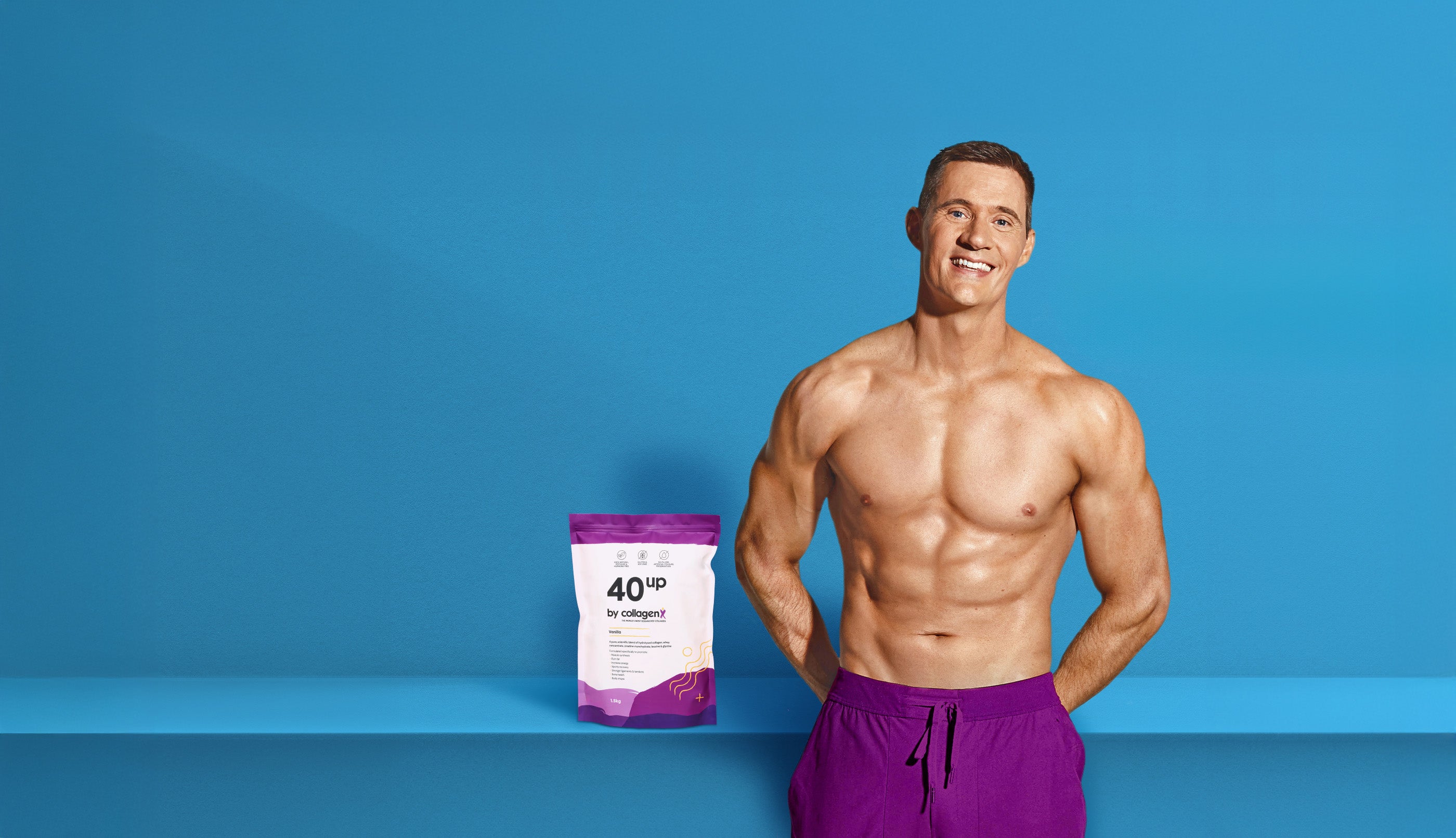
Collagen has become a staple in the wellness industry for promoting healthy skin, joints, and connective tissue strength. But can it also benefit muscle growth? While collagen differs from traditional muscle-building proteins, it offers unique advantages that can complement your fitness routine. In this article, we’ll explore how collagen can support your fitness goals, its role in muscle health, and when it might be most beneficial to include in your diet. Collagen Protein vs. Traditional Protein: What’s the Difference? Collagen and traditional proteins like whey or casein both play crucial roles in your overall health but offer distinct benefits that can work together to support your fitness goals. Structure and Amino Acid Profile Collagen is rich in specific amino acids like glycine, proline, and hydroxyproline, which are key for maintaining the strength and flexibility of connective tissues such as tendons, ligaments, and cartilage. These amino acids are not commonly found in high amounts in other protein sources, making collagen unique in its ability to support these structures. On the other hand, traditional proteins like whey or casein contain all nine essential amino acids your body needs for muscle repair and growth. They are particularly high in branched-chain amino acids (BCAAs), such as leucine, which is known to stimulate muscle protein synthesis and promote muscle mass. Primary Function While traditional proteins primarily support muscle growth and recovery, collagen works to strengthen and repair the connective tissues that stabilise muscles during exercise. This means that collagen may not be your primary protein source for building muscle, but it serves a crucial role in keeping your body strong and resilient, allowing you to train harder and recover faster. Collagen and Muscle Growth: The Benefits While collagen isn’t the first protein that comes to mind for building muscle, it still has a lot to offer your fitness routine. Its unique properties make it a great complement to traditional muscle-building supplements, enhancing your overall performance and supporting long-term health. Joint Health and Flexibility Collagen plays a major role in maintaining the health of your joints. Healthy joints are essential for performing exercises that build muscle, such as weightlifting and high-impact sports. Collagen supplementation can reduce joint stiffness and pain, making it easier to stay active and push yourself during workouts. Tendon and Ligament Support Your tendons and ligaments are primarily made up of collagen. By supplementing with collagen, you’re helping to keep these tissues strong and flexible. This can lower your risk of injuries, which are often a barrier to consistent training and muscle growth. Enhanced Recovery Collagen has been shown to support the repair and regeneration of connective tissues after exercise, helping reduce post-exercise soreness and speeding up recovery. This means you can get back to your workouts faster and maintain a more consistent training schedule. Supporting Lean Body Mass Collagen may also help in maintaining lean body mass, particularly when combined with resistance training. It provides the necessary amino acids to support the health of connective tissues, which in turn can contribute to improved muscle strength and physical performance. Can Collagen Build Muscle? Collagen may not be the first choice for building muscle, but it plays a vital role in supporting muscle health and overall performance. Its unique amino acid profile helps strengthen connective tissues, enhance joint health, and speed up recovery—allowing you to train more effectively and stay active longer. For the best results, try CollagenX’s 40UP formula, which combines hydrolysed collagen with whey protein, creatine, and leucine. This powerful blend supports muscle growth, boosts strength, and promotes overall well-being—making it the ideal solution for comprehensive muscle and joint health. Shop 40UP Collagen Protein Powder Discover the full range of CollagenX products and take the next step toward achieving your health and fitness goals today.

Does Collagen Help With Hair Growth?
Collagen is often promoted for its benefits to skin, hair, and nails, but does it truly support hair growth? Well, new research has uncovered evidence that not all collagen powders are the same, and specific types may offer more significant benefits for hair health than others. This article explores how collagen supports hair health and may contribute to hair growth, strength and thickness. Understanding Collagen Collagen is the most abundant protein in the human body, providing structural support to skin, bones, muscles, tendons, and hair. It serves as a scaffold that maintains the shape and integrity of cells and tissues. There are several types of collagens, with Types I, II, and III being the most common: Type I Collagen: Found in skin, tendons, and bones, supporting elasticity and strength. Type II Collagen: Found in cartilage, crucial for joint health. Type III Collagen: Often found alongside Type I, contributing to the structure of muscles, organs, and arteries. These types of collagens play a role in providing structural support and resilience to the skin and scalp, indirectly promoting a healthier environment for hair growth. The Link Between Collagen and Hair Health Collagen plays an essential role in creating the optimal conditions for hair health through several mechanisms: Nutrient Absorption: Collagen is rich in amino acids like glycine and proline, essential for keratin production—the protein that makes up hair. Collagen supplementation may enhance nutrient absorption in the gut, ensuring the delivery of vitamins and minerals necessary for hair growth. Hormonal Balance: Collagen may help maintain hormonal balance, particularly by supporting gut health. A healthy gut can prevent hormone imbalances that may contribute to hair loss. Benefits of Collagen for Hair Although there is still much research to be done, recent scientific studies have uncovered several potential benefits for hair health: Increased Hair Growth Recent research has shed light on the potential of certain types of collagens to promote hair growth. A study from the Department of Food and Nutrition at Chung-Ang University in Korea, published in the Journal of Molecular Science in October 2022, found that collagen peptides (CPs) extracted from tilapia fish specifically act as a nutritional supplement for hair loss prevention and hair regrowth. The researchers demonstrated that Tilapia collagen peptides significantly enhanced hair regrowth and the proliferation of human hair cells. Remarkably, these peptides outperformed Finasteride—a popular pharmaceutical for hair growth—without its harmful side effects. The study found that Tilapia CPs increased hair follicle size and thickness by promoting blood circulation and reducing cytokines, substances that can cause hair follicle death. Additionally, Tilapia CPs had a 1.3 times higher expression of VEGF, a growth factor that increases follicle size and hair thickness, compared to the Finasteride group. The findings suggest that Tilapia CPs can stimulate hair growth more effectively than conventional treatments. The leading brand of collagen, CollagenX, uses collagen sourced from Tilapia fish. Thicker and Stronger Hair Collagen contributes to thicker and stronger hair by providing essential building blocks for keratin production. Collagen peptides, especially those from Tilapia, have a low molecular weight, enhancing their bioavailability and absorption. These peptides, composed of polypeptides with different molecular weights of less than 5000 Daltons, promote cell proliferation and hyaluronic acid synthesis in human dermal fibroblasts, which supports hair health and strength. Improved Hair Elasticity Collagen helps improve hair elasticity by strengthening the hair shaft, making it less prone to damage and breakage. This is particularly beneficial for individuals who frequently style or colour their hair, as increased flexibility can lead to healthier-looking hair and easier styling. Reduced Hair Loss Tilapia CPs also demonstrated potential in reducing hair loss. By improving blood circulation to the hair follicles and prolonging the growth phase of the hair cycle, these collagen peptides can combat hair thinning and support hair follicle health. The small molecular size of Tilapia CPs, like those found in CollagenX, enhances their effectiveness in the body, helping to prevent hair loss more effectively. Enhanced Hair Shine and Lustre Collagen contributes to healthier hair cuticles, which can enhance the hair’s appearance by making it shinier and smoother. The structural support provided by collagen peptides helps maintain moisture levels, resulting in a more vibrant and lustrous look. Integrating Collagen into Your Daily Routine for Hair Growth To maximize collagen's potential benefits for hair, consider incorporating it into your daily routine: Recap of Key Benefits: Collagen can support hair health by promoting hair thickness, strength, elasticity, and shine while reducing hair loss. Encouragement to Use Collagen Supplements: Adding a collagen supplement, such as CollagenX hydrolyzed collagen sourced from Tilapia, to your daily diet can effectively support hair health. CollagenX fish collagen is highly bioavailable due to its small particle size of just 2000 Daltons. Shop Fish Collagen Peptide Powder Tips for Maximizing Collagen Absorption: Pair collagen supplements with Vitamin C to enhance collagen synthesis. Maintain a balanced diet rich in protein, healthy fats, and micronutrients. Stay hydrated to support collagen structure and function. Healthy hair starts from within. Recent studies emphasize the effectiveness of specific collagen types, such as Tilapia collagen peptides, in promoting hair growth and overall hair health. By boosting the availability of key amino acids involved in keratin and collagen production, it is possible to combat hair loss, stimulate new hair growth, and improve hair quality. Choosing high-quality collagen supplements like CollagenX can help you achieve healthier, stronger, and more vibrant hair.

How Much Collagen Should I Take Daily?
Collagen is a vital protein that plays a crucial role in maintaining the health of your skin, hair, nails, joints, and overall body structure. As we age, our natural collagen production declines, leading to wrinkles, joint discomfort, and other signs of ageing. This has led to a surge in the popularity of collagen supplements, which are now widely used to support skin elasticity, joint health, and much more.With collagen supplements becoming a staple in many wellness routines, a common question arises: How much collagen should you take daily to reap its benefits? How Much Collagen Should I Take? Unlike vitamins and minerals, there isn’t a universally recommended daily dosage of collagen. The optimal amount can vary depending on several factors, including your age, health status, and the specific benefits you’re seeking from collagen supplementation. Factors Influencing the Optimal Dosage Age: As collagen production naturally decreases with age, older adults may benefit from higher doses to support skin elasticity and joint health. Health Conditions: Individuals with specific health conditions, such as osteoarthritis or gut issues, might require different dosages tailored to their needs. Desired Benefits: Whether you’re taking collagen for skin, joints, hair, or gut health will influence the amount you need. For example, higher doses may be required for joint support compared to skin improvement. General Dosage Guidelines While individual needs can vary, here are some general dosage guidelines based on the form of collagen you’re using: Powder: Typically, 10 grams per day is a common dosage for powdered collagen. This amount has been shown to be effective in most studies for improving skin, joint, and overall health. Some products may suggest anywhere from 5 to 15 grams per day, depending on your specific goals. Capsules: Collagen capsules often contain smaller amounts per serving, usually ranging from 500 mg to 1,000 mg (0.5 to 1 gram). You might need to take several capsules to reach an effective daily dosage, often around 6 to 10 capsules to match the benefits of powdered collagen. Liquid: Liquid collagen supplements can vary, but a typical dose is around 1 to 2 tablespoons per day, depending on the concentration. This form is convenient for those who prefer a quick, easy option. Benefits of Taking Collagen Taking collagen supplements can provide a range of benefits, depending on your individual needs and the dosage you choose. Skin Elasticity and Hydration Collagen supplements are well-known for their ability to improve skin elasticity and hydration, reducing the appearance of wrinkles and fine lines. Consistent collagen intake can help maintain a youthful appearance by supporting the skin’s structure. Hair Growth and Nail Strength Collagen provides the amino acids necessary for building keratin, the protein that makes up hair and nails. Regular supplementation can lead to stronger, healthier hair and nails, reducing breakage and promoting growth. Joint Health Collagen is a major component of cartilage, the tissue that cushions joints. Supplementing with collagen can help reduce joint pain and stiffness, particularly in individuals with osteoarthritis or those who are physically active. Gut Health Collagen may also support gut health by helping to repair and strengthen the gut lining. This can be particularly beneficial for those with digestive issues or conditions like leaky gut syndrome. What the Latest Science Says A 2023 clinical study titled "Collagen Peptides Supplementation Improves Function, Pain, and Physical and Mental Outcomes in Active Adults," published in the Journal of the International Society of Sports Nutrition, aimed to assess the effects of collagen peptide (CP) supplementation on pain, physical function, and mental health in middle-aged, physically active individuals. It compared two doses (10g and 20g) of CP taken over 3, 6, and 9 months. The study included participants with various types of joint pain who were randomly assigned to receive either collagen peptides or a placebo. Findings indicated significant improvements in daily activities (ADLs), pain, and mental health scores, particularly in those engaging in regular exercise (over 3 hours weekly). Key findings included: 10g CP dose: improved ADLs and pain in active participants over 6 months; enhanced mental health scores after 6 and 9 months; and specifically benefitted ADLs in females after 9 months. 20g CP dose: improved physical health scores over 9 months for regularly exercising females. The study concluded that CP supplementation could support joint function, reduce pain, and benefit mental well-being, especially for those maintaining regular physical activity. The authors suggest that 10g may optimize pain relief and ADL improvements, while 20g could help maintain ADLs, proposing CP as a promising alternative to traditional pain treatments that often have side effects The Importance of Amino Acid Balance Proteins like collagen are made up of amino acids. There are two types to know about: Indispensable (essential) amino acids: These must come from your diet because your body can’t make them.Dispensable (non-essential) amino acids: Your body can make these, but sometimes it may not make enough, especially during aging, illness, or exercise.A good diet balances both types. Western diets typically contain plenty of indispensable amino acids because they include a lot of animal proteins like meat and dairy but often lacks enough dispensable amino acids for optimal health. To measure if a protein source meets daily amino acid needs, scientists use the Protein Digestibility-corrected Amino Acid Score (PDCAAS). An ideal PDCAAS is 1.0, meaning the protein satisfies 100% of indispensable amino acid requirements without excess. However, if indispensable amino acids are eaten in excess, your body might lack enough dispensable amino acids, leading to an imbalance even if the PDCAAS score is 1.0. How Does Collagen Fit Into This? Collagen is naturally low in indispensable amino acids and even missing tryptophan so some worry it might lower the overall protein quality of a diet. But here’s the good news: The standard Western diet often has a surplus of indispensable amino acids — 30% or more above what’s needed.Thanks to this surplus, studies show you can substitute up to 36% of your total dietary protein with collagen peptides without lowering your overall protein quality score.You could even go as high as 54% substitution and still maintain good protein quality, although at that point tryptophan becomes the limiting factor.Importantly, collagen adds amino acids like glycine, proline, and hydroxyproline, which are key for building body collagen (about 25-30% of total body proteins).In real life, average collagen consumption in Western diets is far below this substitution threshold — typically between 3 and 23 grams daily depending on dietary habits, which is under 50% of the Recommended Dietary Allowance (RDA). Why Balance Between Amino Acids Matters Having too many indispensable amino acids without enough dispensable ones isn’t ideal. Your body either converts excess indispensable amino acids to dispensable ones or burns them off, which is less efficient metabolically. Although your body can make dispensable amino acids, it does not always make enough for optimal health, especially as you get older, exercise more, or face illness. Currently, protein quality is judged only by indispensable amino acids, but future research will hopefully clarify the importance of dispensable amino acids for health and lead to better protein evaluations. Can You Take Too Much Collagen? Collagen is generally considered safe, even at higher doses. However, like any supplement, it’s important to stick to recommended guidelines and consult with a healthcare provider if you have any concerns. Remember, collagen is a food, not a drug, so higher intake (greater than 10g/day) can be beneficial for many. Like any food, increase your dose incrementally, to ensure tolerability. Safety Concerns and Potential Side Effects Excessive collagen intake (greater than 50g/day) is unlikely to cause harm, but some individuals may experience mild digestive issues, such as bloating or diarrhoea, if they consume too much. It’s also important to consider the source of collagen and ensure the product you’re using is of high quality and free from unnecessary additives. Participants in clinical studies using 50g/day did not result in any adverse effects. Consulting a Healthcare Professional For those with specific health conditions/disease or who are pregnant or breastfeeding, it’s wise to consult with a healthcare professional before starting any supplementation. They can provide personalised advice on the appropriate supplements and dosage to help you avoid any potential risks. How Much Collagen Per Day? Finding Your Ideal Collagen Dosage Collagen supplements can be a valuable addition to your wellness routine, offering benefits for skin, hair, nails, joints, and gut health. While there isn’t a one-size-fits-all dosage, most people find that 10 grams per day of collagen powder is effective for achieving noticeable results. However, individual needs can vary, so it’s important to consider your specific health goals, age, and any existing health conditions when determining the right amount for you. For personalised recommendations and to ensure you’re taking the right amount of collagen for your needs, consult with a healthcare provider. And remember, choosing high-quality, pure collagen products is key to getting the most out of your supplementation. In Summary Collagen peptides provide unique health benefits beyond ordinary proteins.The typical Western diet has enough indispensable amino acids to safely include collagen peptides without reducing overall protein quality.Up to about one-third of your protein intake can come from collagen peptides without compromising nutritional balance.Taking 2.5 to 15 grams of collagen peptides daily supports skin, joints, muscles, and bone health.Supplementing collagen peptides while maintaining a varied protein diet is the best approach to reap all the benefits and promote optimal amino acid balance.Incorporating collagen peptides into your daily diet offers promising health benefits with no risk of amino acid imbalance when done properly. It’s a simple step toward better overall wellness and aging gracefully. Explore the full range of collagen products at CollagenX to find the perfect fit for your health goals today.

Can You Take Collagen When Pregnant?
Wondering if collagen is safe during pregnancy? Learn about the potential benefits of collagen for skin elasticity, stretch marks, joint support, connective tissue health, hair growth, and recovery after birth. We also explain what to look for in a clean, high-quality collagen supplement and why speaking with your healthcare provider matters during pregnancy.

Does Collagen Help with Cellulite?
Cellulite is a common skin condition that affects up to 90% of women at some point in their lives. It is characterised by a dimpled or "orange peel" appearance on the skin, typically found on the thighs, buttocks, and abdomen. While not harmful, cellulite can be a source of frustration for many. Its development is influenced by various factors, including hormones, genetics, and lifestyle choices. Collagen has become a popular supplement for skin health, with claims that it can improve skin elasticity and reduce the appearance of cellulite. In this article, we'll dive into the evidence behind these claims and explore how collagen might help reduce the appearance of cellulite, offering you insights to make informed choices for your skin health. What is Cellulite? Cellulite occurs when fat deposits push through the connective tissue beneath the skin, causing a dimpled, uneven surface. The structure and appearance of cellulite are influenced by several factors: Skin Elasticity: As we age, our skin loses elasticity, making cellulite more noticeable. Fat Distribution: Genetic factors determine where fat is stored in the body, which can affect the severity of cellulite. Connective Tissue: The strength and integrity of connective tissue influence how fat is distributed beneath the skin. Weaker connective tissue can lead to more pronounced cellulite. Collagen and Skin Structure Collagen is a key protein in the body that plays a crucial role in maintaining skin health. It is responsible for providing structure, firmness, and elasticity to the skin. As we age, collagen production decreases, leading to thinner skin, reduced elasticity, and the formation of wrinkles and cellulite. By supplementing with collagen, it's believed that you can improve the skin's structure and hydration, potentially reducing the appearance of cellulite. Collagen supplements help rebuild and strengthen the connective tissue, making the skin firmer and smoother. The Science Behind Collagen and Cellulite: What Research Says Research into collagen's effectiveness in reducing cellulite is still in its early stages, but some studies have shown promising results. One such study, titled "Dietary Supplementation with Specific Collagen Peptides Has a Body Mass Index-Dependent Beneficial Effect on Cellulite Morphology," found that collagen supplementation led to a noticeable improvement in skin texture and a reduction in cellulite in women with a normal body mass index (BMI). Additionally, a study published in the Journal of Cosmetic Dermatology titled "The effect of oral collagen peptide supplementation on skin moisture and the dermal collagen network: evidence from an ex vivo model and randomized, placebo-controlled clinical trials" demonstrated that daily collagen peptide supplementation resulted in a significant increase in skin elasticity and hydration. These improvements in skin structure are closely related to the potential reduction in cellulite, as firmer and more elastic skin can minimise its appearance. While these findings are promising, it's important to note that the effects of collagen on cellulite may vary depending on individual factors such as BMI, age, and overall skin health. Additionally, more research is needed to fully understand the mechanisms by which collagen influences cellulite. Other Factors Affecting Cellulite While collagen can play a role in improving skin health and reducing cellulite, it's essential to take a holistic approach to cellulite management. Several other factors can influence the appearance of cellulite: Diet: A balanced diet rich in antioxidants, healthy fats, and lean proteins can support skin health and reduce inflammation, which may help reduce cellulite. Exercise: Regular physical activity helps tone muscles and reduce body fat, which can improve the appearance of cellulite. Strength training and aerobic exercises are particularly effective. Hydration: Drinking plenty of water helps maintain skin hydration and elasticity, which can minimise the appearance of cellulite. Lifestyle Factors: Avoiding smoking and excessive alcohol consumption, managing stress, and getting enough sleep are crucial for maintaining healthy skin and reducing cellulite. The Bottom Line: Can Collagen Help with Cellulite? Collagen supplementation has shown promise in improving skin elasticity and hydration, both of which are key factors in reducing the appearance of cellulite. While the research is encouraging, it's important to approach cellulite reduction with realistic expectations and a holistic mindset. Collagen can be a valuable part of your skincare routine, but combining it with a healthy diet, regular exercise, and good hydration practices will give you the best results. Remember, each person’s skin responds differently, and what works for one may not work for another. For personalised advice, it's always a good idea to consult with a healthcare professional. Ready to take the next step in your skincare journey? Explore our range of high-quality collagen products at CollagenX and start working towards smoother, healthier skin today.

Top 5 Collagen Benefits For Women
Collagen is a vital protein that serves as a key building block for various structures in the body, including skin, bones, joints, and hair. For women, maintaining enough collagen levels is essential, especially as natural collagen production declines with age. This drop can lead to visible signs of ageing, joint discomfort, bone density loss, and many other unwanted side effects. Incorporating collagen into your daily routine can address a range of common concerns associated with ageing. 1. Supporting Skin Health and Appearance Collagen is a fundamental protein in the body, playing a crucial role in maintaining the structure and elasticity of the skin. As women age, the natural production of collagen decreases, leading to visible signs of ageing like wrinkles, fine lines, and loss of skin firmness. This decline is exacerbated by external factors like sun exposure, pollution, and lifestyle choices, which can further degrade collagen levels in the skin. Collagen peptides are particularly effective as they are easily absorbed by the body, and benefit the skin's structure. Regular use can result in a smoother, more youthful complexion. 2. Promoting Joint Health and Reducing Pain Collagen is a major component of cartilage, the tissue that cushions and protects joints. With age, the body's collagen production diminishes, leading to the gradual wearing down of cartilage. This can result in joint pain, stiffness, and reduced mobility, a common issue among older adults, particularly concerning women, who are more susceptible to joint problems. Collagen can help alleviate these symptoms by helping to regenerate cartilage and reduce inflammation. Studies have shown that collagen supplements can decrease joint pain in individuals with conditions like osteoarthritis. Additionally, by improving joint health, collagen can enhance overall mobility and physical activity levels, making it easier to maintain an active lifestyle to help women stay fit and active as they age. 3. Strengthening Bones and Preventing Loss Bone health can become a significant concern for women, particularly as they approach menopause. Collagen makes up a substantial portion of bone mass and provides the necessary framework for mineral deposition, crucial for bone strength and resilience. Collagen supports the body’s ability to absorb calcium, maintenance of bone density and reduces the risk of bone-related ailments. This is particularly important for post-menopausal women, who are at a higher risk of osteoporosis. A regular collagen intake can help maintain strong, healthy bones, supporting overall skeletal health and reducing the likelihood of fractures. 4. Boosting Metabolism Metabolism naturally slows with age, and this decline can be more pronounced in women due to hormonal changes. A slower metabolism can lead to weight gain and decreased energy levels. Collagen plays a pivotal role in supporting a healthy metabolism by promoting gut health, essential for efficient nutrient absorption and energy production. It supports the gut lining, which can improve digestion and reduce inflammation. This aids in nutrient absorption and helps maintain a healthy weight. Additionally, collagen contains amino acids like glycine, which have been shown to boost metabolism and support muscle mass. 5. Enhancing Hair Health and Growth Collagen, rich in amino acids, is a critical component of hair follicles and plays a significant role in hair strength and growth. It helps maintain the hair's structure, leading to thicker, shinier, and healthier hair. Supplementing with collagen can provide the essential nutrients needed to support hair health. It can help reduce hair thinning, improve hair texture, and increase shine. By supporting the structure of hair follicles, collagen can also promote the growth of new hair, making it a valuable addition to any beauty regimen. Including Collagen in Your Routine Incorporating collagen into your daily routine can be achieved through dietary sources and supplements. Foods rich in collagen include bone broth, fish, chicken, and eggs. However, for a more concentrated and convenient intake, collagen supplements like CollagenX's hydrolysed collagen powders are ideal. These supplements are easily absorbed and can be added to various foods and beverages, making them an effortless addition to your diet. Consistency is key and taking collagen daily ensures the best results over time. Beyond Collagen: Lifestyle for Overall Health While collagen supplementation offers numerous benefits, it is also essential to maintain a holistic approach to health. A balanced diet rich in fruits, vegetables, lean proteins, and whole grains supports overall well-being. Hydration, adequate sleep, and regular exercise are crucial for maintaining skin health, joint function, and bone strength. Additionally, protecting your skin from excessive sun exposure and avoiding harmful habits like smoking can significantly impact collagen production and overall health. By adopting a comprehensive approach to health, women can maximise the benefits of collagen and support their overall well-being. Give Yourself a Collagen Boost Collagen provides numerous benefits for women's health, from enhancing skin and joint health to supporting bone density and hair vitality. Ongoing research continues to reveal new insights into the wide-ranging benefits of collagen. For women looking to improve their health and appearance, collagen supplements offer a valuable addition to their daily routine. Explore CollagenX marine collagen to find the perfect fit for your needs and start your journey towards better health and beauty today.

Is Collagen A Protein? What You Need to Know About Collagen Protein.
Collagen is a protein, but it isn't the same as every other protein. Discover what makes collagen different, why it isn't a complete protein, how its amino-acid profile compares with whey, and what to look for when choosing collagen peptides.

Does Collagen Help with Weight Loss?
As collagen supplements gain popularity, many health claims have emerged, including the potential for weight loss. But does collagen really help with weight loss? Let's explore the science behind this claim.

Benefits of Taking Collagen For Men
What Are the Benefits of Collagen Powder for Men? Can men benefit from collagen? Absolutely! Despite the common misconception that collagen is only for women, an increasing number of men are discovering its significant health benefits. As interest in these supplements grows, it's becoming clear that collagen plays a vital role in men's health and wellness. Can Men Take Collagen? Yes, men can take collagen and experience numerous positive effects. While men naturally have higher collagen levels than women, these levels still decline with age. Collagen supports various functions critical to men's health, including muscle maintenance, joint health, skin vitality, and blood flow. Four Collagen Benefits for Men 1. Muscle Strength and Recovery Collagen is essential for muscle growth and repair, making it a valuable supplement for post-workout recovery. The amino acids in collagen, particularly glycine and proline, support muscle tissue repair and growth. This is especially beneficial for active men and those looking to build muscle mass. 2. Joint Health and Mobility Collagen plays a vital role in strengthening connective tissues in joints, potentially reducing pain and stiffness. This benefit is particularly valuable for men with active lifestyles or those prone to joint issues. Type II collagen is especially effective for joint health. This type of collagen is often found in supplements combined with glucosamine and chondroitin, which work together to enhance joint support and provide relief from discomfort. Studies from Peptan have demonstrated significant improvements in mobility and joint health, underscoring the importance of Type II collagen for those seeking relief from joint discomfort. 3. Skin Health and Appearance Collagen is essential for maintaining skin elasticity and hydration, which can help reduce wrinkles and signs of aging. This benefit is not exclusive to women; men also experience improved skin health with regular collagen supplementation. By supporting the skin’s structure, collagen can help maintain a youthful appearance. In addition to its anti-aging benefits, collagen may also help with male pattern baldness. A study using Peptan collagen peptides showed promising results in preventing hair loss, revealing that oral supplementation with collagen peptides could support hair follicle health, potentially reducing hair loss and promoting thicker, healthier hair 4. Blood Flow The amino acids in collagen, such as L-arginine, can improve blood flow and exercise performance. Collagen keeps our vascular system supple and elastic, promoting optimal blood flow. This is crucial for overall cardiovascular health and can enhance exercise performance by improving nutrient and oxygen delivery to muscles. Choosing the Right Collagen Powder Selecting the right collagen supplement is key to maximising its benefits. Here are some important factors to consider: Type of Collagen Different types of collagen offer specific benefits: Type I Collagen: Ideal for skin health, improving elasticity, and reducing wrinkles. Type II Collagen: Essential for joint health, reducing pain and stiffness, perfect for active men. Type III Collagen: Supports skin, muscle, and blood vessel health, enhancing overall vitality. Hydrolysed Collagen Opt for hydrolysed collagen (collagen peptides), which is broken down into smaller molecules for better absorption. This form ensures maximum bioavailability and effectiveness. Quality and Purity Source: Choose collagen from reputable sources. Marine collagen, derived from fish, is highly bioavailable and particularly beneficial for skin health due to its high Type I collagen content. Bovine collagen, sourced from cows, is rich in both Types I and III collagen, making it ideal for supporting skin elasticity, joint function, and overall health. Additives: Choose supplements that are free from unnecessary additives, fillers, and artificial ingredients. Pure collagen supplements are more effective and safer for your health. Brand Reputation: Opt for well-known brands that prioritise quality and transparency. Check customer reviews and look for third-party testing results to ensure the product meets high standards. This Men's Health review of 40UP offers a good example of what to look for in a quality product. Embrace the Benefits of Collagen for Men Men can significantly benefit from collagen supplements. From enhancing muscle strength and recovery to improving joint health, skin appearance, and blood flow, collagen is a versatile supplement for men's health. Ready to explore the potential of collagen for your health and wellbeing? Discover our range of high-quality collagen products at CollagenX and take the first step towards a healthier you today.

Is Collagen Good For Sleep?
In the quest for a natural sleep supplement, one surprising contender has emerged: collagen. Renowned for its benefits to skin, hair, and joints, collagen is now gaining attention for its potential to enhance sleep quality. But not just any collagen will do. Recent research points to a specific type known as Peptan® as the go-to option for those seeking better sleep. Collagen For Sleep Collagen isn't typically associated with sleep improvement, but Rousselot, the makers of Peptan®, have turned this assumption on its head. Their latest groundbreaking study, published in the European Journal of Nutrition in 2024, is the first to demonstrate that hydrolysed collagen can indeed improve sleep quality. The study involved an active population and showed that daily supplementation with 15 grams of Peptan® one hour before bedtime for a week significantly enhanced sleep quality in participants with sleep complaints. The Study The study was a randomized, placebo-controlled, crossover trial, the gold standard in scientific research. Participants consumed either 15 grams of Peptan collagen peptides (CP) derived from bovine hide or a placebo in a 200 ml liquid approximately one hour before bedtime for seven days. The results were striking. Polysomnography, a technique considered the highest standard in sleep studies, measured a reduction in awakenings. This objective data was supported by the participants' subjective reports of improved sleep quality. Cognitive Benefits However, researchers found that the benefits of Peptan® extend beyond just a good night’s sleep. Participants in the study also improved their scores on the Stroop Colour and Word test, a cognitive test measuring response time and accuracy. This improvement suggests that better sleep, facilitated by Peptan®, can enhance cognitive performance. No Adverse Effects Importantly, no participants reported adverse effects from the collagen supplementation, making Peptan® a safe and effective option for improving sleep quality. The Role of Glycine for Sleep Why does Peptan® work so well? The answer lies in glycine, a key amino acid found abundantly in Peptan and known for its calming effects on the brain. Research suggests that consuming at least 3 grams of glycine per day can help improve sleep quality. Collagen peptides (CP), which are hydrolyzed forms of collagen, are rich in glycine, proline, and hydroxyproline, making them a potential sleep aid. Several studies [1], [2] have examined the beneficial effects of glycine on sleep. This study published in the journal Frontiers of Neurology in 2012, evaluated the effects of glycine on daytime sleepiness, fatigue, and performances in sleep-restricted healthy subjects. Sleep was restricted to 25% less than the usual sleep time for three consecutive nights. Before bedtime, 3 g of glycine or placebo were ingested, sleepiness, and fatigue were evaluated using the visual analog scale (VAS) and a questionnaire, and performance were estimated by performance test program on the following day. The subjects given glycine showed a significant reduction in fatigue and a tendency toward reduced sleepiness. These observations were also found via the questionnaire, indicating that glycine improves daytime sleepiness and fatigue induced by acute sleep restriction. Further analysis revealed significant improvement in psychomotor vigilance test. Collagen Peptides vs. Glycine Alone While glycine alone has shown promise, collagen peptides may be even more effective. This is because CPs might influence nerve growth factors involved in sleep regulation. Recent animal studies [3] [4] have demonstrated that peptides from orally ingested collagen hydrolysates reach the cerebrospinal fluid and increase the expression of nerve growth factors in the hippocampus, including brain-derived neurotrophic factor (BDNF) . BDNF is crucial for brain health and function. The fact that human and animal studies show BDNF is diminished in poor sleepers [5], [6] and after sleep restriction [7], [8], suggests interventions promoting BDNF expression may have a positive impact on sleep. How to Incorporate Collagen into Your Routine If you’re considering collagen supplements to improve your sleep, here are some tips to get started: Choose High-Quality Collagen: Look for supplements that are hydrolyzed, which means they are broken down into smaller peptides for easier absorption. Take It at the Right Time: For sleep benefits, try taking your collagen supplement 30-60 minutes before bedtime. This allows the glycine and other beneficial compounds to take effect as you wind down for the night. Consistency is Key: As with any supplement, consistency is crucial. Make collagen a regular part of your nightly routine for the best results. Why Peptan® Is the Best Collagen for Sleep So, what makes Peptan® stand out as the best collagen for sleep? Here are the key takeaways from the study: Reduction in Awakenings: Peptan® reduced awakenings as measured by both polysomnography and sleep diaries. Improved Cognitive Performance: Better sleep led to higher scores on cognitive tests, indicating improved brain function. Optimal Glycine Content: Peptan® provides around 3.5 grams of glycine per 15-gram dose, the optimal amount for enhancing sleep. Safety: Participants reported no adverse effects, highlighting the safety of Peptan® as a sleep aid. Peptan® is available through CollagenX in Australia and is used in all their products. CollagenX’s Glymax product is particularly noteworthy, boasting the highest glycine content on the market. One heaped scoop provides the optimal 3 grams of glycine, ensuring you get the best possible sleep. In conclusion, if you're serious about improving your sleep, collagen peptides are a superior choice over glycine alone. They offer a multifaceted approach to enhancing sleep quality, making them an essential part of your nightly routine. Say goodbye to restless nights and hello to the rejuvenating power of collagen peptides. Beyond potentially improving sleep, collagen offers several other health benefits: Skin Health: Promotes elasticity and hydration, reducing the appearance of wrinkles. Joint Support: Helps maintain cartilage integrity, reducing joint pain and stiffness. Gut Health: Supports the lining of your digestive tract, potentially reducing symptoms of leaky gut syndrome.

Where Does Hydrolysed Collagen Come From?
What is Hydrolysed Collagen? As health and wellness continue to take centre stage in more people's lives, collagen supplements have become an increasingly popular addition to daily routines. Collagen, a crucial protein found throughout the body, plays a vital role in maintaining skin elasticity, joint health, and overall vitality. Among the various forms of collagen, hydrolysed collagen stands out due to its enhanced absorbability and potential health benefits. But where does hydrolysed collagen come from, and what makes it so special? The Process of Hydrolysis Hydrolysis is a process that breaks down collagen into smaller peptides, making it easier for the body to digest and absorb. This process involves using water and enzymes to break the molecular bonds in collagen, resulting in shorter chains of amino acids known as peptides. These peptides are more readily absorbed into the bloodstream compared to the larger, intact collagen molecules. Benefits of Hydrolysed Collagen The smaller peptides in hydrolysed collagen improve its bioavailability, allowing for better utilisation of collagen's health benefits. These benefits include improved skin elasticity and hydration, reduced joint pain and stiffness, enhanced muscle recovery, and stronger hair and nails. The ease of digestion also makes hydrolysed collagen a suitable supplement for those with sensitive digestive systems. Where Does Hydrolysed Collagen Come From? Animal Sources The most common sources of hydrolysed collagen are animal-based, primarily derived from the bones, hides, and tendons of animals. Here are the main types: Bovine Collagen: Derived from cows, bovine collagen is one of the most prevalent sources of hydrolysed collagen. It is rich in types I and III collagen, making it particularly beneficial for skin, joint, and gut health. Bovine collagen is sourced from the bones and hides of cows, which are rich in Type I and Type III collagen. Marine Collagen: Sourced from fish, is predominantly composed of type I collagen, which is beneficial for skin, hair, and nail health. Marine collagen is often extracted from fish skins and scales, which are usually by-products of the fishing industry. Poultry Collagen: Extracted from chicken, poultry collagen is rich in type II collagen, which is particularly useful for joint health and cartilage repair. This type of collagen is primarily sourced from chicken cartilage and bones, making it a popular choice for those looking to support joint health. Porcine Collagen: Sourced from pigs, porcine collagen is similar to bovine collagen and is also used for its skin, joint, and gut health benefits. Porcine collagen is typically extracted from the skin and bones of pigs. Non-Animal Sources Emerging research is exploring the possibility of non-animal sources of collagen, such as those derived from fermentation processes or genetically modified organisms (GMOs). These alternatives aim to cater to vegetarians, vegans, and those with dietary restrictions or ethical concerns about animal products. However, these alternatives are still in the early stages of development and their effectiveness is not yet fully understood. Currently, collagen can only come from animal sources, but the future may hold more plant-based or synthetic options as research progresses. Choosing the Right Hydrolysed Collagen for You When selecting a hydrolysed collagen supplement, consider the following factors: Source: Your choice may depend on dietary restrictions, allergies, and ethical preferences. For example, marine collagen is suitable for pescatarians, while bovine collagen is not. If you have allergies to specific animal proteins, this will also influence your choice. Desired Collagen Type: Different sources provide varying types of collagen (e.g., type I, II, III), each offering different benefits. Identify your health goals to choose the most suitable type. For instance, type I collagen is excellent for skin health, while type II is better for joint support. Quality: Opt for high-quality, reputable brands to ensure you are getting a pure and effective product without unnecessary additives or fillers. Look for products that are hydrolysed, as this indicates the collagen has been broken down into smaller peptides for better absorption. Halal and Kosher Considerations: Look for hydrolysed collagen products with reputable Halal and Kosher Unlock the Full Potential of Hydrolysed Collagen Hydrolysed collagen, with its enhanced absorbability, offers numerous health benefits, from improved skin elasticity to better joint health. Understanding where it comes from and how to choose the right type for your needs is essential to achieving optimal results. Remember to consider the source, desired collagen type, and brand quality when making your selection. For personalised advice, consult a healthcare professional to ensure that your choice of hydrolysed collagen aligns with your health goals. Ready to enhance your wellness routine? Discover our full range of high-quality collagen products and find the perfect fit for your needs today. Shop now.

When is the Best Time to Take Collagen? Morning vs. Night
Collagen plays a key role in maintaining skin elasticity, joint strength, gut health, and overall vitality. But when is the best time to take collagen to get the most out of your supplement? Whether you're looking to support skin hydration, muscle recovery, or digestion, timing could make a real difference in how your body responds. In this article, we break down the science of collagen absorption, compare morning vs. night use, and explore how your health goals—like weight loss, injury rehab, or workout recovery—can guide your ideal timing. How Collagen Works in the Body Collagen is the most abundant protein in the human body. It’s a major component of connective tissue, forming the structural framework for skin, bones, tendons, and joints. When taken as a supplement—especially in hydrolysed form (collagen peptides)—collagen is broken down into amino acids like glycine, proline, and hydroxyproline, as well as di- and tri-peptide chains. T hese circulate through the bloodstream and are used where your body needs them most. Several factors can influence how effectively your body uses collagen supplements: Timing: While collagen can be taken at any time of day, some studies suggest taking it around physical activity or before bed may enhance absorption or support specific benefits like recovery and repair. Food Pairings: Taking collagen on an empty stomach may promote faster absorption for some individuals, though it can also be consumed with food without any impact on its effectiveness. Vitamin C Intake: Vitamin C plays a critical role in collagen synthesis. If you are low in Vitamin C, p airing your collagen supplement with a source of vitamin C—such as citrus fruits, leafy greens, or a combined supplement—can improve its bioavailability and ensure your body has the nutrients it needs to create new collagen. Shop Glymax: Collagen with Glycine and Vitamin C By understanding how collagen functions and how to support its absorption, you can better tailor your intake to meet your personal health goals. Morning vs. Night: When Should You Take Collagen? Should you take collagen first thing in the morning or just before bed? The answer largely depends on your goals and daily habits. Morning intake is often preferred by those seeking an energy boost or pairing collagen with workouts or digestion support. Nighttime consumption, on the other hand, may enhance rest and overnight repair, thanks to collagen’s calming and restorative properties. Let’s look at the benefits of each. Benefits of Taking Collagen in the Morning For many, morning is the most convenient time to take collagen—especially when stirred into coffee, tea, or smoothies. Morning collagen may help: Hydrate and plump skin for the day ahead Calm the digestive system when taken on an empty stomach Support post-exercise recovery when paired with movement If you’re aiming to support gut health, joint function, or skin glow throughout the day, morning may be the best time to consume collagen. Benefits of Taking Collagen at Night Collagen is naturally high in glycine, an amino acid that supports deep sleep and relaxation. A 2024 study confirmed that glycine taken before bed improves sleep quality and promotes a restful night. Benefits of nighttime collagen intake include: Supporting the body’s natural repair processes during sleep Promoting deeper rest through glycine’s calming effects Enhancing muscle and joint recovery overnight If you struggle with sleep or are focusing on recovery, nighttime may be your ideal window for collagen supplementation. Timing for Recovery from Sports Injuries Athletes and active individuals often turn to collagen to support recovery from injury and intense training. Research shows that collagen peptides can help: Repair damaged tendons, ligaments, and cartilage Boost bone strength and resilience Aid muscle recovery after exercise To get the most from your supplement, take collagen about one hour before rehab or physical therapy. This ensures collagen peptides are circulating during stress and loading phases, improving repair outcomes. Best Time to Take Collagen for Female Athletes For women in high-impact sports, collagen timing can be particularly important. Oestrogen fluctuations throughout the menstrual cycle can weaken ligaments and increase the risk of injury. Studies have shown that collagen intake—especially when paired with vitamin C—may help counteract this. Benefits of pre-workout collagen for female athletes include: Increased tendon and ligament strength Reduced injury risk during high-oestrogen phases Enhanced recovery from repetitive stress and strain Aim to take collagen 30–60 minutes before training with a source of vitamin C for best results. Best Time to Take Collagen for Weight Loss Collagen can also be a valuable tool for those aiming to manage weight. The best time to drink collagen for weight loss is usually before meals, as it can: Promote satiety and reduce appetite Support lean muscle maintenance Boost metabolism with a clean source of protein Some users find it helpful in the morning to curb daytime cravings, while others take collagen in the evening to avoid late-night snacking. How to Take Collagen Powder? Helpful Tips to Maximise Benefit Taking collagen powder is simple, but a few key strategies can help you maximise its benefits and see faster, more visible results. Start by choosing the right type of collagen for your needs. Marine collagen—sourced from fish and contains 100% Type I collagen (the same type in human skin)— is known for supporting skin hydration and elasticity, while bovine collagen—derived from cows—is rich in types I and III collagen, ideal for joint, gut, and bone health. If you’re pescatarian or have specific dietary preferences, opt for the source that best suits your lifestyle. Look for hydrolysed collagen peptides, which are broken down into smaller molecules for better absorption. Products free from additives, fillers, artificial flavours, and sweeteners will also provide cleaner, more effective supplementation without disrupting the gut. Vitamin C is essential for collagen synthesis, so consider pairing your supplement with citrus fruits, berries, leafy greens, or a product that already includes it. Taking collagen with vitamin C helps your body convert amino acids into usable collagen faster and more efficiently. You can easily stir collagen powder into coffee, smoothies, tea, or soups—its neutral taste and solubility make it a versatile addition to your daily routine. Need inspiration? Explore our collagen recipes page for easy, delicious ways to incorporate collagen into your meals and drinks. Aim for 10–15g per day, increasing to 20g if you’re recovering from injury or need intensive support. Finally, stay hydrated and be consistent. Most users begin to notice results within 4–6 weeks, with continued improvements over time. Finding Your Ideal Time: When To Take Collagen? So—when is the best time to consume collagen? It truly depends on your lifestyle, schedule, and wellness goals. Some people benefit from morning intake for skin and gut support. Others prefer evening use for relaxation and recovery. Splitting your dose between morning and night may also work well. What matters most is taking collagen consistently. Over time, you’ll discover the rhythm that works best for your body. Ready to optimise your collagen routine? Explore our full range of hydrolysed collagen powders and find the perfect fit for your goals. Shop All CollagenX Supplements

5 Most Common Reasons Your Collagen Supplement DID NOT Work
In this article we dive deep into the 5 most common reasons why the brand of collagen powder you tried didn't work for you as promised. The 5 reasons we cover are: The product was not pure – (we show you how to identify a quality brand) The brand used an inferior processing procedure – (we warn you what to watch out for) The molecular size of the collagen was too large - (we explain why size matters) The incorrect dosage was recommended – (we help you find the right dose for you) You didn’t take the supplement consistently or for long enough – (we’ll show you a realistic timeframe to expect results)

8 Great Reasons Why I Give My Children Hydrolyzed Collagen
As a parent, I am constantly on the lookout for ways to ensure my children's well-being and support their growth and development. I found that by incorporating hydrolysed collagen into my children's diets has shown numerous advantages for both their health and overall well-being. From the age of 5 to 15 years, children establish important metabolic bases that determine their health as adults. Nutrition during this period is one of the main factors for the avoidance of long-term diseases such as osteoporosis, arthritis, obesity and cardiovascular disease. In late childhood and early adolescence, nutrition has a formative role in the timing and pattern of puberty, with consequences for adult height, muscle, and fat mass accrual, as well as risk of non-communicable diseases in later life. Our family's diet had evolved detrimentally over the years, unintentionally transitioning from traditional, nutrient-dense foods like my mum and Nona used to make when I was a child, to more processed and convenience driven options. If your family is anything like mine, this shift in diet has probably resulted in a significant decrease in the consumption of collagen-rich foods, such as bone broth, stews, and gelatin-containing dishes. Reduced Gelatin Consumption and Its Consequences: As I dug deeper into the research I was shocked to find that there are a number of health outcomes including all-cause mortality, cancer risk, cardiovascular disease risk, and obesity, as well as non-health-related outcomes such as academic performance, that are associated with poor diet quality in children. Here's a few of the studies to check out: (Florence et al., 2008; Pandita et al., 2016; Sahoo et al., 2015; Wirt & Collins, 2009). However, as much as I tried, I found it impossible to stop my kids from being introduced to more and more nutrient-deficient, processed and convenience-oriented foods. What's worse is my kids often turned their nose up when I offered them my traditional homemade broths, stews, and casserole dishes. That's when I discovered hydrolyzed collagen, and that changed everything. Hydrolysed collagen is rich in essential amino acids, such as glycine and proline, which are crucial for tissue repair, immune function, and overall health in children. Research indicates that glycine (rich in hydrolysed collagen) can play a key role in preventing tissue injury, enhancing anti-oxidative capacity, promoting protein synthesis and wound healing, boosting immunity, and addressing metabolic disorders like obesity, diabetes, and cardiovascular disease. This balance of amino acids supports various biological processes and contributes to the balanced growth of children's tissues and organs. Here's 8 reasons why I give my kids Hydrolyzed Collagen 1. Supporting Bone Health There is an increasing worldwide prevalence of osteoporosis, which is characterized by a low bone mass and changes in bone microarchitecture that predispose to fractures. Although maximum bone mass has a major genetic component, it is influenced by nutrition and physical activity during early stages of life. Bone remodeling depends on the activity of osteoblasts (bone-forming cells) and osteoclasts (bone-destroying cells). Bone comprises an inorganic mineral compound, hydroxyapatite (calcium and phosphorus), and an organic matrix that is 90% type I collagen. Teenage years are crucial for bone development, and collagen plays a pivotal role in this process. Collagen is a key component of the extracellular matrix in bones, providing structural support, and protecting from fractures. On average, 10–19 year-olds gain 20% of their final adult height and 50% of adult weight during this growth phase, with a considerable remodelling of the skeleton and an increase in bone mass of up to 40%. There is a lag of approximately 8 months between peak height attainment and acquisition of peak bone mass. It has been suggested that the high incidence of fracture during adolescence may arise, in part, as a consequence of relative undermineralization or a lag in bone density during this time. The peak incidence of fracture in boys is at 14 years and in girls at 11 years of age. These peaks roughly coincide with the timing of peak height velocity when the rate of bone growth is at its greatest. Studies suggest that collagen supplementation may contribute to increased bone mineral density and improved bone health in growing children. Collagen, and in particular Type III collagen, plays a key role in tissue repair and the healing process of many tissues, including bone. Type III collagen expression is increased during bone development as well as early in the healing process of a variety of tissues such as bone, tendon, ligament and skin. Fracture callus has been shown in studies to contain considerable amounts of Collagen Type III, which is later replaced by Type I collagen. Collagen Type III is crucial for the repair and maintenance of bone, including its requirement for growth acceleration of new bone cells. In this study, scientists gave hydrolysed collagen to 97 healthy children between 6 and 11 years of age. They found that bone formation markers (the main determinant of bone growth and mineral content) significantly increased with a possible effect on skeletal muscle mass. The authors of the study state: 'Our results indicate that prolonged dietary collagen intake stimulates bone formation during important periods of growth and development, influencing both bone formation and bone resorption biomarkers'. Hydrolysed collagen peptide powder is quickly and easily digested (I mix it into my kids smoothies, chocolate milk, or make homemade gummy bears etc), and can enhance the absorption of essential amino acids necessary for bone formation. The collagen I use, CollagenX pure bovine collagen powder contains both Type I and Type III collagen. 2. Enhancing Connective Tissues Active teenagers like mine, who are involved in sports, put additional strain on their ligaments, tendons, and cartilage. Collagen is essential for the strength and flexibility of these connective tissues. Hydrolysed collagen peptide powder provides my children's growing bodies with the necessary building blocks for repairing and maintaining these structures. Research has shown that collagen supplementation can contribute to the improvement of joint function and reduce the risk of injuries in athletes. According to published research, orally administered hydrolysed collagen has been shown to be absorbed intestinally and to accumulate in cartilage. 3. Growing Pains My kids, like most, complained of aches and pains as they were growing up. Growing pains is one of the most common causes of recurrent musculoskeletal pain in children. Many causes of growing pains have been proposed. These include anatomic causes (eg, hypermobility, low bone mineral density), psychological causes (eg, stress), vascular causes (eg, skeletal vascular perfusion), and metabolic causes (eg, low vitamin D levels). World renowned tendon expert Dr Keith Baar, Professor of Molecular Exercise Physiology at the University of California, believes it relates to a combination of these processes and supplements his 14 year old daughter with hydrolyzed collagen. He says; “what you always see in kids especially kids who start to grow and what we call ‘growing pains’ which is basically at the spot where the tendon is joining the bone there's a lot of pain associated with that, so you get that in the achilles, you get that in the knee, you get other knee pains associated with it, and classically that was like this growing pain type of thing, we use again loading (resistance exercise) but then we're going to add some nutrition in there, we get dietary collagen in there to provide a little bit more of a stimulus, a little bit more of the amino acids that those tendons need in order to really quickly grow at the rate that these kids are growing because you know you'll see kids who grow four or five inches in a year that's a huge stimulus”. Professor Baar heads a team of research professionals who work to understand the molecular determinants of musculoskeletal development and the role of exercise in improving health and performance. He added, “your height growth is based on your bones, those growth plates pushing apart, that's dependent on collagen, that's the thing that's happening is the collagen is pushing apart because you're increasing the collagen content in the growth plate and then you're mineralizing that collagen to make the bone” He goes on to say; “the same thing has to happen obviously at the tendons where you're getting this elongation stimulus from the bone now your tendon has to grow in length and sometimes you need to really increase the amount of collagen synthesis you're doing and we've shown that you can do that by using dietary collagen” Baar’s research is focused on understanding how training and feeding result in improved muscle, tendon and ligament function. In his capacity as a researcher, he has made fundamental discoveries on how muscle grows bigger, stronger, and more fatigue resistant. “so especially in young athletes that's something that we are really bringing in and my daughter, when she starts to get pain or her teammates have pain, within a couple weeks of a heavier load (exercise) together with that dietary collagen intake we see that those pains go away completely really quickly” 4. Accelerating Wound Healing Kids are always going to be involved in scrapes, cuts, and bruises. Fast, clean healing is important to reduce susceptibility to infection. Collagen supplementation can help speed the healing process. Collagen is a vital component in the skin's structure, and its presence is crucial for wound healing. Our collagen requirements increase during wound healing (which involves laying down collagen to build new tissue), so a little extra in the diet can make a big difference. Supplementation with hydrolysed collagen is made all the more necessary for wound healing as neither children or adults, can synthesize a sufficient quantity of proline to repair wound tissues optimally. Whether its recovery from cuts and scrapes, broken bones, torn ligaments or tendons, bruising, or recovery after surgery, hydrolyzed collagen can make a huge difference to the recovery time. Studies have indicated that collagen supplementation can enhance wound healing, and it has certainly been a valuable addition in the diet of my kids who are prone to cuts and injuries. 5. Promoting Better Sleep Quality sleep is essential for toddlers and teenagers' growth and overall well-being. As I’ve pointed out earlier, collagen contains large amounts of the amino acid glycine, which has calming effects on the nervous system. There are a stack of studies showing that incorporating hydrolysed collagen peptide powder into your child's diet may help improve sleep quality and reduce sleep disturbances. This study showed that taking glycine before sleep improves sleep quality and sleep efficacy by shortening the time to fall asleep while increasing restorative, slow-wave deep sleep. It also showed that the following day subjects had lessened daytime sleepiness and improved performance of memory recognition tasks. Another study showed that glycine helps improve REM sleep and decrease non-REM sleep and this study showed that 3g Glycine (about a heaped table spoon of CollagenX) given to volunteers before sleeping resulted in improvements in fatigue, ‘liveliness and peppiness,’ and ‘clear-headedness’. Also glycine appears to improve daytime sleepiness and fatigue induced by sleep deprivation as shown in this study (Now I'm sure that got your attention :) 6. Fortifying the Immune System The immune system plays a vital role in protecting infants, teenagers, and adults from illnesses. Collagen peptide powder is known to support the immune system by promoting the production of immune cells. Research suggests that collagen supplementation can enhance the body's defense mechanisms, contributing to a strengthened immune system. Glycine can prevent and fight virus invasiveness by reinforcing the extracellular matrix. That means less sniffles, colds and flu. The extracellular matrix, mainly composed of collagen, is a mechanical barrier against infective agents, including viruses. High glycine availability is needed for a healthy collagen turnover. Glycine produced by human metabolism is much lower than the cell’s needs giving a general glycine deficiency of 10 g/day in humans. This effect was tested for three years in 127 volunteers who had virus infections usually once or more times every year. 85 of them took glycine 10 g/day; 42 did not take glycine. Among those who took glycine, only 16 (12 of whom had infections two or more times each year) had the flu just in the first year –but much reduced in severity and duration– while those who did not take glycine, were infected as often and as severely as before. Glycine intake at 10g/day prevents the spread of viruses by strengthening the extracellular matrix barriers against their advance. 7. Help prevent and reduce acne scaring Both my kids suffered from acne outbreaks and scaring through their late teens and early adult lives. Hydrolysed collagen helped clear up and heal all signs of pimples, cysts, and blackheads. Recent scientific literature emphasizes the interconnectedness of the gut and skin, often referred to as the gut-skin axis. The gut houses a diverse community of microorganisms, collectively known as the gut microbiota, which plays a pivotal role in maintaining overall health, including skin health. Several studies have highlighted a correlation between an imbalance in gut microbiota and skin conditions like acne. An unhealthy gut can lead to systemic inflammation, compromising the skin's ability to ward off acne-causing bacteria. Hydrolyzed collagen may contribute to a healthier gut environment, influencing the gut-skin axis positively. Inflammation is a common denominator in various skin conditions, including acne. Hydrolyzed collagen has been shown to possess anti-inflammatory properties, mitigating the inflammatory response in the body. By reducing inflammation, collagen helps to minimize the redness and swelling associated with acne breakouts. In addition to preventing acne breakouts, hydrolyzed collagen may play a role in reducing scar tissue caused by acne. When the skin undergoes trauma, such as during the healing process of acne lesions, collagen is a crucial component in forming the new tissue. Research published in the "Journal of Drugs in Dermatology" (2018) explored the use of oral collagen supplementation for scar management. The study found that participants who consumed collagen supplements exhibited improved wound healing and reduced scar formation compared to the control group. Collagen's amino acids are crucial in maintaining hormonal balance, particularly for cortisol (a stress hormone) and estrogen. Imbalances in cortisol and estrogen levels can lead to skin inflammation, making it vital to regulate these hormones to prevent skin issues. Furthermore, collagen's glycine content supports the liver in eliminating toxins and excess hormones, contributing to hormonal balance and overall skin and gut health. 8. Teeth and Dental Hygiene There have been a number of scientific studies that show that the amino acid Glycine (found abundantly in hydrolysed collagen) has a positive impact on dental health and a positive effect in reducing cavities. Although these studies were performed on animals, the results are extremely encouraging for us humans. In this study, Glycine supplementation caused a 65.7% reduction in the development of cavities. In other recent investigations, Breivik and coworkers pointed to the anti-inflammatory potential of glycine in oral tissues. In their animal experiments, these authors were able to demonstrate a significant reduction of artificially induced periodontal infection following a specific glycine diet. Substitution of glycine to animal’s food prevented animals from severe periodontal breakdown. Conclusion Incorporating hydrolyzed collagen into our children's diet has been a transformative experience for our family. From supporting their growth and development to promoting overall well-being, the benefits have been noteworthy. While individual responses may vary, I believe it's worth exploring this supplement and observing the positive changes it can bring to your children's health. I believe that by supplementing with CollagenX hydrolysed collagen, you can bridge the nutritional gap and promote optimal well-being for yourself and your children.

CollagenX: A Trusted Path to Wellness Backed by Science and Peptan's Global Leadership
CollagenX stands as a beacon of trust in the competitive landscape of collagen supplements. CollagenX's unwavering commitment to quality, bioavailability, scientific innovation, and its strategic partnership with Peptan make it a trusted choice for consumers seeking premium hydrolyzed collagen supplements. By harnessing the expertise of a global leader, CollagenX not only meets but exceeds the expectations of those who prioritize their health and wellness.

Confused about Collagen? Don’t worry, it’s not you.
Let’s face it…. choosing the right collagen is confusing. Collagen is often referred to as the "glue" that holds our bodies together. But should I take Type I, or maybe Type II, or then again someone told me I should take Type III. Is it marine collagen I should take or maybe bovine? HELP! Well here's the answers.

Does Hydrolysed Collagen Survive Digestion or is it Destroyed in the Stomach?
Does eating collagen produce more collagen in the skin? The short answer is yes! Collagen peptides are efficiently digested and absorbed in the gastrointestinal tract, providing the body with essential amino acids like hydroxyproline. The presence of hydroxyproline in the bloodstream, as evidenced in this article, suggests that collagen peptide ingestion directly supports collagen production in the body.

Bone Broth vs Hydrolysed Collagen - Which Is Best?
Bone broth has been around for centuries. Hydrolysed collagen is a much more recent way of getting collagen into the diet. Both come from collagen-rich animal tissues. Both provide amino acids such as glycine and proline. But they're not the same thing. If you're interested in collagen specifically, the differences in concentration, consistency, amino-acid profile and even potential contaminants are worth understanding. Bone broth is a food. Collagen is a concentrated ingredient. Bone broth is made by simmering bones, connective tissue and other ingredients in water. What ends up in the finished broth depends on how it's made. The type and amount of bones, cooking time, temperature, water-to-bone ratio and concentration of the final broth can all affect its nutritional composition. Hydrolysed collagen is different. Collagen-rich raw material is processed and enzymatically hydrolysed into smaller collagen peptides. The finished ingredient can then be measured into a defined serving. That gives you something bone broth can't easily provide: a consistent amount of collagen peptides in every serving. What does the research say about the amino acids? This is where the comparison gets interesting. Collagen has a distinctive amino-acid profile. It is particularly rich in glycine, proline and hydroxyproline, which together account for a substantial proportion of collagen's amino acids. PubMed A 2018 study specifically investigated whether bone broth could provide these collagen-related amino acids consistently. Researchers analysed commercially available and laboratory-prepared bone broths and compared them with reference collagen supplements. The results were revealing. Standardised bone broth provided significantly lower concentrations of hydroxyproline, glycine, proline, hydroxylysine, leucine and lysine than a 20 g dose of the reference collagen supplements. The non-standardised broths also showed substantial variation in amino-acid content. PubMed In other words, a bowl of bone broth doesn't necessarily deliver the same amount of collagen-related amino acids from one preparation to the next. That's important if you're consuming collagen for a specific nutritional purpose. The amino-acid profile tells an even more interesting story A separate human study compared 20 g servings of several collagen and dairy proteins with a 300 mL serving of bone broth. The bone broth used in that study actually contained a very high amount of total protein and total amino acids, so it would be misleading to say that bone broth is always low in protein. But the type of amino acids was different. The collagen proteins produced a substantially higher peak in blood glycine than the dairy proteins, while the dairy proteins produced a higher peak in leucine. PubMed Central (PMC) That's a useful reminder: Protein isn't just about the number of grams. The amino-acid profile matters too. Collagen and whey, for example, are both proteins, but they serve very different nutritional purposes. So how much collagen are you actually getting? This is one of the biggest practical differences between bone broth and hydrolysed collagen. With bone broth, the answer depends on the broth. With a measured collagen supplement, the answer is on the label. A 10 g serving of hydrolysed collagen gives you a defined amount of collagen protein and a consistent amino-acid profile. That's particularly useful if you want to make collagen intake part of your daily routine. You don't have to make a batch of broth, estimate its concentration or wonder how much collagen was extracted from the bones. You measure it. You consume it. You know what you're getting. But what about heavy metals? There's another consideration that is often overlooked. Bones can accumulate environmental contaminants, including heavy metals such as lead and cadmium. That doesn't mean bone broth is inherently unsafe. But it is a reasonable consideration, particularly if bone broth is consumed frequently. A 2013 study investigated lead concentrations in three types of organic chicken broth and found that some broths contained substantially higher lead concentrations than the water used to prepare them. Chicken-bone broth contained 7.01 μg/L of lead compared with 0.89 μg/L in the control water. PubMed A later study looked more broadly at the extraction of essential and toxic metals from animal bones into broth. It found that lead and cadmium concentrations in the broths tested were relatively low, but noted that frequency of consumption and cumulative exposure from other sources are relevant considerations. PubMed So the sensible conclusion isn't that bone broth should be avoided. It's that what is extracted from the bones deserves consideration alongside what you want to extract from them. For someone drinking bone broth occasionally as a food, this may be of little practical significance. For someone consuming concentrated bone broth regularly as a source of collagen, it's a different question. Hydrolysed collagen gives you control This is ultimately where hydrolysed collagen has an advantage. You're not relying on the variability of a recipe. You're not relying on how much collagen happened to be extracted during cooking. And you're not consuming a broth made by extracting compounds from bones simply to obtain a measured amount of collagen. Instead, you can choose a clearly identified collagen ingredient, in a defined dose. The collagen ingredient matters too There's another reason not to treat all collagen powders as interchangeable. The source of the collagen, the species it comes from and the way it is processed all matter when you're looking at the research behind an ingredient. CollagenX uses 100% Peptan® hydrolysed collagen peptides in Pure Bovine Collagen. That means the collagen ingredient is clearly identified, rather than simply being described as generic "collagen". And each serving provides a defined 10 g dose. So which is best? It depends on what you're trying to do. Bone broth is a food. It's enjoyable, versatile and can contribute protein and amino acids to your diet. Hydrolysed collagen is a concentrated, measured collagen ingredient. If your goal is to add a consistent amount of collagen peptides to your daily nutrition, it offers a much more precise approach. And the research gives us another reason to look beyond the word "collagen". The amount matters. The amino-acid profile matters. The source matters. And what else comes along with it matters too. That's why a clearly identified, measured collagen ingredient can be such a useful addition to a daily routine. The simple answer You don't have to choose between enjoying bone broth and taking collagen. Have bone broth because you enjoy it as a food. Choose hydrolysed collagen when you want a consistent, measured dose of a specific collagen ingredient. Know what you're getting. Every scoop. Explore Pure Bovine Collagen →

IS COLLAGEN SAFE? – finally, the lid is lifted on hydrolysed collagen
There are now literally hundreds of hydrolysed collagen products on the world market today with new brands popping up seemingly every week. So how do you know which one to choose? How do you even know if they are safe to consume or how much you should take? Well let’s cut the promotional ‘spin’ and get straight to the facts. Worldwide, authorities have continually attested to the safety of hydrolysed collagen. Based on international research results, the World Health Organization (WHO), the European Commission for Health and Consumer Protection, and the European Food Safety Authority have all confirmed that hydrolysed collagen is totally safe for human consumption. In the United States the Food and Drug Administration (FDA) has classified gelatin, from which collagen peptides are prepared, as a safe substance. Collagen has GRAS status (Generally Recognised As Safe ) with no recommended daily intake limit as it is a natural food ingredient in commonly consumed foods. The United States FDA reports that: 'No significant adverse findings other than rare hypersensitivity have been found in the examination of data from feeding and biochemical experiments. Thus, there is no evidence to demonstrate a hazard to the public at the level collagen is consumed as a food or a food ingredient. Based on these considerations, the Select Committee concludes that: There is no evidence in the available information on collagen that demonstrates or suggests reasonable grounds to suspect a hazard to the public when it is used at levels that are now current or that might reasonably be expected in the future'. Hydrolysed collagen’s safe status is backed by solid evidence including numerous independent scientific studies. This Japanese study is the first to investigate the biological safety of fish collagen in accordance with ISO standards. All tests for cell toxicity, sensitization, chromosomal aberrations, intracutaneous reactions, acute systemic toxicity, pyrogenic reactions, and hemolysis were negative according to the criteria of the ISO and the Ministry of Health, Labour and Welfare of Japan. To this day, there are more than 60 scientific studies (in vitro, in vivo, clinics and on bioavailability) about Hydrolysed Collagen ingestion efficacy on reducing collagen damage and loss consequences as joint pain and erosion (osteoarthritis), bone density loss (osteoporosis) and skin ageing. Numerous preclinical studies show that Hydrolysed Collagen stimulates collagenic tissue regeneration by increasing not only collagen synthesis but minor components (glycosaminoglycans and hyaluronic acid) synthesis as well. Clinical studies show that Hydrolysed Collagen continual ingestion helps to reduce and prevent joint pain, bone density loss and skin ageing. These results as well as its high level of tolerance and safety make Hydrolysed Collagen ingestion attractive for a long-term use in bone and joint degenerative diseases and in fight against skin ageing. Most hydrolysed collagen is around 90% protein and its best not to take protein supplements if you have existing kidney disease . A high protein diet (appx >1.2g of protein/kg body weight) is proven to be harmful for people with existing kidney dysfunction. So if you have a preexisting kidney illness, see your doctor before supplementing with any protein powders including collagen. However the overwhelming evidence proves that eating a high protein diet or supplementing with collagen hydrolysate does not harm the kidneys in healthy people. Rarely, minor side effects, such as nausea, flatulence or dyspepsia, may occur in some people the first time they ingest collagen peptides. So we've established that Hydrolysed collagen is safe to consume even in high amounts, but what about the safety of different brands? Well buyer beware! Some hydrolysed collagen brand labels may state ‘may contain’ because there is a possibility that traces of an allergen may be present in the food unintentionally, such as food processed on the same equipment as products that contain nuts and other substances. The main foods or ingredients that may cause severe adverse reactions must be declared on the label no matter how small the amount. Common foods that may cause allergies include peanuts, other nuts, seafood, fish, milk, gluten, eggs, soybeans, and sulfites. So don’t be misled by labelling tricks and traps. The terms used on food labels are often misleading (and too tiny to read). Always check the label on your collagen packet carefully as often warnings such as; May also contain gluten, soy, milk and egg. Produced In A Facility That Handles Milk and fish Products And Tree Nuts. Contains sulfites and vegetable magnesium stearat Manufactured on equipment that also produces products containing Milk, Soy, Egg, Tree Nuts, Sesame, Lupin and Peanuts. can be in the fine print. If they are – STAY CLEAR! When in doubt, contact the manufacturer. This brand is the world's most researched Collagen and renowned for its purity. It DOES NOT CONTAIN: Soy, dairy, eggs, nuts, shellfish, and is Gluten free Cholesterol or fats GMO or Glyphosate Pesticide and Hormones Fillers, artificial colours, or preservatives The safety of collagen peptide and gelatin is widely recognized and reported. So, finally, the facts don't lie. It is proven that hydrolysed collagen is not only totally safe to consume, but is a bioactive ingredient that has been specifically developed to deliver multiple health benefits and functional properties.

Does Collagen Powder Work? - Confessions of a 50+ user.
Does Collagen Powder Work? - Confessions of a 50+ user. Trends in Senior's Health Whether you are 55 (like me), 65 or 75 years old, actively engaged in different sports, or simply want to keep up your daily activities such as walking the dog or going for a stroll in the park, we need a well-functioning musculoskeletal system (that consists of joints, bones, muscles, ligaments and tendons). Medical advancement and innovations have made me more aware of, and educated about, the concept of eating well and the value of supplements, functional foods and beverages. I search for preventive nutritional solutions, including dietary supplements and functional foods and beverages that can help me stay ‘fit and looking good’ and prolong my healthy life years. I look to avoid age-related diseases and focus on a healthy lifestyle. I prefer clearer labels, simplified ingredients, and a product formulated to target my specific needs. I believe the ‘one-size-fits-all’ approach to senior nutrition is no longer applicable to us, because of the rise of personalised nutrition and the differences between senior age groups. I place being ‘fit and younger looking’ high on my agenda and seek out supplements that can support my skin health and digestive health as well as my immunity. A supplement that enhances my mobility is also a top priority. The Effects of Hydrolysed Collagen Powder I want to live well, not just long. With that in mind, ‘An ounce of prevention is worth a pound of cure’. I started adding dietary supplements and functional foods and beverages to my diet 2 years ago and I've achieved an illness preventative effect. The most effective supplement in my arsenal is Hydrolysed Collagen Powder. Collagen powder has offered me both symptom relief and prevention: protect and maintain are the key verbs here. Supplementing with collagen powder has provided me with specific and targeted joint support. My knees are now relatively pain free and swelling after exercise is non existent. Collagen powder continues to gain widespread acceptance due to a growing body of scientific evidence, and frankly, I'm convinced. How much Collagen do I Take? I now take 10 grams of collagen powder every day. It's a functional food that is neutral in taste, and is convenient and easy to dissolve in all types of food and beverages, hot or cold. Collagen powder delivers bioactive collagen peptides that support a wide range of connective tissues by exerting direct health benefits in the target tissues. The efficacy of Collagen Powder in promoting mobility is supported by an impressive body of scientific evidence. I take this brand because it it is unique. It simultaneously supports all the connective tissues by stimulating local cells in the target tissues to produce more collagen and other key matrix components. A wide range of studies has demonstrated Hydrolysed Collagen's ability to promote healthy joints and strong bones. Collagen peptides also support lean muscle mass and strength.